
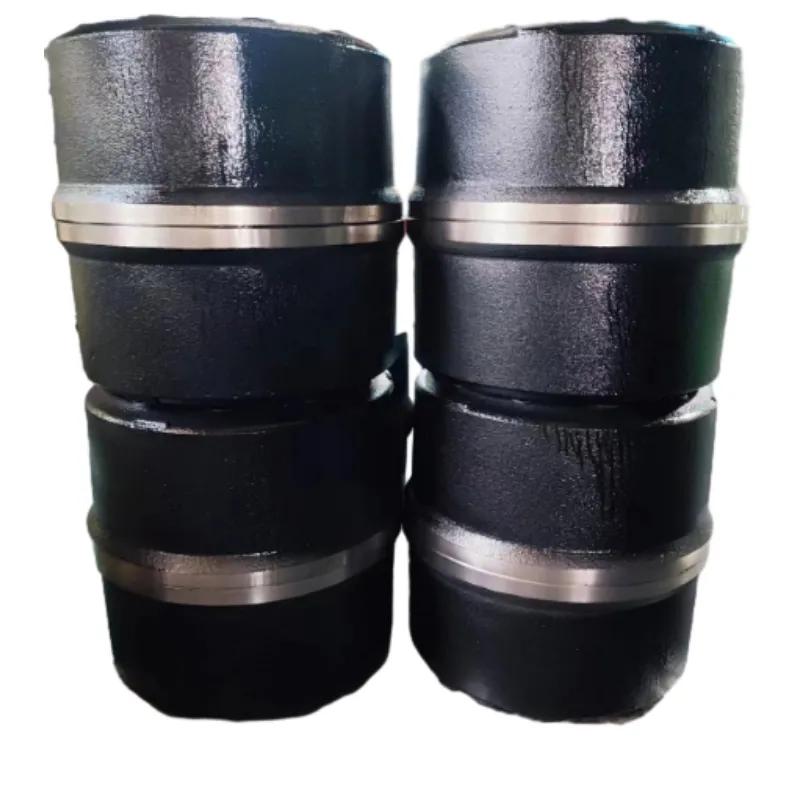
Regional Analysis
The Brake Components Market in Kenya
Analyzing the intersection of logistical demand and component durability in East Africa.
The Kenyan automotive market is characterized by a diverse mix of light commercial vehicles and heavy-duty haulage trucks, largely imported from Europe, Japan, and Korea. Due to the geographical diversity—ranging from the highland slopes to the coastal plains—braking systems are subjected to extreme operational stress. The logistics sector, which serves as the backbone of the East African Community (EAC) trade, relies heavily on the reliability of air brake drum systems to navigate varied terrains safely. Consequently, there is a sustained demand for high-grade castings that can resist thermal fatigue and mechanical wear.
Current trends indicate a shift toward higher safety standards and the adoption of more sophisticated braking technologies. As Kenyan transport regulations tighten to reduce road accidents, fleet managers are moving away from low-cost, uncertified replacements toward components that meet international ISO/TS16949 standards. There is an increasing focus on the precision of the braking interface, where professional brake drum turning is recognized as essential for maintaining braking efficiency and extending the life of brake shoes. This transition is driving the market toward specialized manufacturers who can provide verified metallurgical properties.
Despite the growing demand, the market faces constraints such as inconsistent quality in local spare parts hubs and long lead times for genuine OEM parts. This creates a significant opportunity for manufacturers like Hebei Ningchai Machinery, who can offer a comprehensive range of nearly 400 models with factory-direct quality. The outlook for the Kenyan market remains positive, with growth driven by infrastructure expansion and the modernization of commercial fleets. The ability to provide components that combine durability with precise fitment is now the primary competitive advantage in this evolving regional landscape.
Industry Progress
The Evolution of Brake Drum Technology
From basic cast iron to precision-engineered safety components.
Traditional Phase
Basic Foundry Casting
Early drums relied on simple sand casting with minimal quality control, often leading to inconsistent thickness and poor heat dissipation in heavy vehicles.
Optimization Phase
CNC & Standardized Quality
Introduction of CNC vertical lathes and ISO standards allowed for precise tolerances and repeatable quality, reducing brake judder significantly.
Modern Phase
Advanced Metallurgy
Current focus on spectrometer-verified alloys and dynamic balancing to ensure safety at high speeds and under extreme thermal loads.
Shift to Automated Precision
The industry has moved from manual lathes to fully automated CNC centers. This shift has virtually eliminated human error in drum concentricity, ensuring that brake shoes apply pressure evenly across the entire surface, which is critical for the safety of heavy-duty trucks.
Metallurgical Verification
Modern manufacturing now employs CS analyzers and spectrometers as standard. By controlling the carbon and silicon levels in the iron, manufacturers can produce drums that resist cracking under the rapid heating and cooling cycles common in stop-and-go traffic.
Dynamic Balancing Integration
The adoption of fully automatic dynamic balancing machines has reduced vibration at high rotations. This not only extends the life of the wheel bearings but also improves the overall stability and driver comfort of commercial vehicles.
Future Outlook
Emerging Trends in Brake Component Manufacturing
Adapting to new vehicle requirements and global safety regulations.
Integration of abs drum brakes
Modern fleets are increasingly requiring drums optimized for ABS systems. This requires tighter tolerances and specific surface finishes to ensure the sensors and actuators function without interference.
Eco-Friendly Coating Processes
The industry is shifting toward automated paint lines that use low-VOC coatings. This protects the drum from corrosion during shipping and storage without impacting the braking surface performance.
Specialized Industrial Drums
There is a rising demand for crane brake drum components for port infrastructure. These require extreme load-bearing capacity and specialized fatigue resistance.
Digital Quality Traceability
Manufacturers are implementing digital tracking for every batch of casting. This allows end-users to verify the material hardness and tensile strength of their specific brake drums.
The convergence of automated machining and metallurgical science is redefining the lifespan of automotive braking systems. By utilizing tools like metallographic microscopes and hardness testers, manufacturers can now predict the wear rate of a brake drum based on its microstructure. This predictive capability allows for the creation of "application-specific" drums—for example, those designed specifically for the abrasive conditions of East African road networks, focusing on surface hardness rather than just bulk strength.
Furthermore, the globalization of the supply chain has made compatibility the primary driver of innovation. The ability to manufacture a single casting that fits multiple vehicle brands through precision machining reduces inventory costs for distributors in Kenya. As the industry evolves, we expect to see more integration between the casting process and final machining, reducing waste and improving the environmental footprint of automotive part production.
Practical Application
Braking Solutions in Kenyan Operational Contexts
How our components perform across diverse regional use cases.
01
Long-Haul Freight on the Northern Corridor
Heavy trucks transporting goods from Mombasa to Nairobi face constant braking on steep descents. In this scenario, our high-thermal-stability drums prevent the "fade" effect, ensuring that air brake systems remain responsive even under sustained high-temperature loads, significantly reducing the risk of runaway vehicle accidents.
02
Agricultural Transport in the Rift Valley
Vehicles operating on unpaved, muddy, and dusty rural roads experience high particulate ingress in the braking system. Our high-density cast iron drums resist the abrasive wear caused by these particles, extending the service interval and reducing the frequency of drum replacements for farm fleet operators.
03
Urban Transit Fleets in Nairobi
City buses and matatus engage in frequent stop-and-go cycles, leading to rapid surface glazing. By utilizing drums with optimized surface roughness and precision CNC machining, we provide a consistent friction coefficient that reduces brake noise and prevents the uneven wear typically seen in urban transit operations.
04
Construction Machinery in Infrastructure Projects
Heavy equipment used in road construction requires braking components that can handle immense static and dynamic loads. Our specialized castings, verified by tensile testing machines, ensure that the drums do not crack or deform under the extreme pressure of hauling construction materials.
05
Port Logistics and Crane Operations in Mombasa
The humid, salty air of the coast accelerates corrosion. Our automated paint line provides a protective barrier for non-friction surfaces, while our specialized crane brake drum designs provide the necessary torque and wear resistance for port lifting equipment.
Case Perspectives
Representative Operational Impacts
Illustrating the value of precision engineering in real-world fleet management.
For a logistics fleet operator managing heavy trucks on the Northern Corridor, the primary concern is thermal fade. Implementing precision-cast drums with verified alloy compositions resulted in more consistent stopping distances and a noticeable reduction in overheating incidents during peak haulage seasons.
In an urban transit context, the transition to CNC-machined drums eliminated the frequent brake judder previously experienced by drivers. The precise concentricity of the drums ensured a smoother braking action, reducing the wear on brake shoes and lowering overall maintenance costs for the municipal fleet.
For specialized machinery operators, the importance of structural integrity cannot be overstated. Utilizing brake drums that have undergone rigorous tensile and hardness testing provides the confidence that the components will not fail under extreme loading conditions in construction environments.
Our Heritage
Hebei Ningchai Machinery Co., Ltd.
A legacy of quality in automotive casting and precision machining.
2007
Company Establishment
Founded as Ningjin Lingyun Casting Mold Co., Ltd., the company began its journey focusing on the fundamental science of casting and mold production, establishing the core technical foundation for automotive components.
2014
SAI Certification
Achieved SAI certification, marking a critical milestone in the company's commitment to international quality standards and enhancing its ability to serve global automotive markets.
2015
Strategic Rebranding
Officially changed the name to Hebei Ningchai Machinery Co., Ltd. to reflect the expanded business scope, focusing on high-performance brake drums, discs, and cylinder heads.
Present
Industry Leadership
Operating with an annual output value exceeding 60 million yuan, the company now provides nearly 400 models of brake components globally, supported by a robust ISO/TS16949:2009 quality management system.
Technical Support
Frequently Asked Questions
Expert answers to common queries regarding brake drum procurement and maintenance.
What are the primary advantages of using CNC-machined brake drums over standard cast parts?
CNC-machined brake drums offer superior concentricity and surface finish compared to basic cast parts. This precision ensures that the brake shoes make uniform contact across the entire friction surface, which eliminates brake judder and prevents uneven wear. For operators in Kenya, this means increased safety and a longer lifespan for the entire braking assembly, reducing the frequency of maintenance intervals.
How does Hebei Ningchai ensure the durability of brake drums for heavy-duty air brake systems?
We ensure durability through a combination of rigorous metallurgical control and advanced testing. Every batch is analyzed using spectrometers and CS analyzers to optimize the iron's composition for strength and heat resistance. Additionally, we use tensile testing machines and hardness testers to verify that each drum can withstand the extreme pressures and thermal stresses associated with air brake systems in heavy-duty logistics.
Can you provide compatible brake drums for diverse vehicle brands operating in the East African market?
Yes, we maintain a comprehensive product lineup of nearly 400 models. This range covers the most prevalent vehicle brands in Kenya, including those from Europe, Japan, Korea, and Russia. Our ability to provide precise fitment across these varied brands allows fleet managers to consolidate their supply chain and reduce vehicle downtime caused by sourcing incompatible parts.
What is the significance of dynamic balancing in the manufacturing of automotive brake drums?
Dynamic balancing is critical for eliminating rotational imbalance in the drum. Using fully automatic dynamic balancing machines, we ensure that the mass is evenly distributed. This prevents vibrations at high speeds, which would otherwise cause premature wear on wheel bearings, suspension components, and the braking system itself, resulting in a smoother and safer ride.
Is it better to replace a worn brake drum or perform brake drum turning to restore its surface?
Brake drum turning is a viable option if the drum still meets the minimum thickness requirements specified by the manufacturer. Turning removes the glazed or scored layer to restore a flat friction surface. However, if the drum has developed deep cracks or has worn beyond the safety limit, a full replacement is mandatory to ensure vehicle safety. We recommend regular measurements to decide between these two options.
How do I verify the quality of the brake drums I receive from a manufacturer?
Quality can be verified by checking for international certifications such as ISO/TS16949, which indicates a standardized quality management system. Additionally, you can request material certificates that show the results of spectrometer analysis and hardness tests. Visually, a high-quality drum should have a uniform surface finish and no visible casting defects or porosity on the friction surface.
Global Supply Chain
Upgrade Your Fleet's Braking Safety Today
Whether you are managing a commercial logistics fleet in Nairobi or industrial machinery in Mombasa, the quality of your braking components is non-negotiable. Hebei Ningchai Machinery provides the precision and durability required for the Kenyan environment. Contact us to discuss your specific model requirements and receive a technical consultation for your fleet.
Discuss Your Requirements