
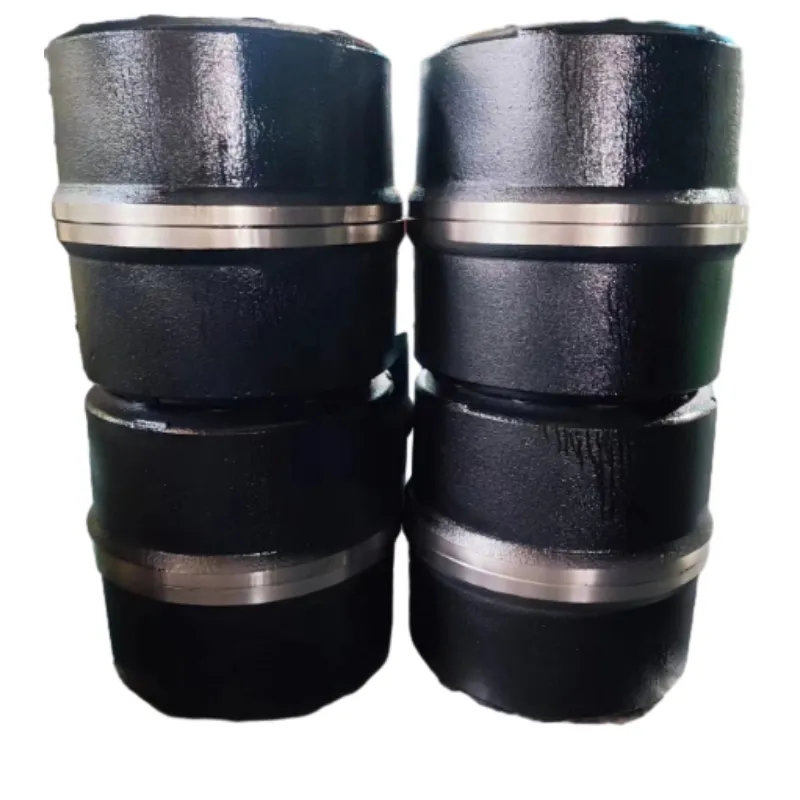
Heavy-Duty air brake drum Solutions for Colombia's Logistics

Engineering precision braking systems tailored for the demanding Andean terrains and Colombian industrial corridors.

Heavy-Duty air brake drum Solutions for Colombia's Logistics

Providing high-performance braking components that ensure safety and durability for heavy-duty fleets across Colombia's diverse geographical landscape.

Braking Infrastructure Status in Colombia

Analyzing the challenges of automotive friction components in South American topography.

Colombia's unique geography, characterized by the steep slopes of the Andes, places extreme thermal stress on commercial vehicle brakes. The frequent descent from high-altitude cities like Bogotá and Medellín leads to rapid wear and heat fade, increasing the demand for high-grade gunite brake drums that can withstand severe friction.

In the coastal regions and port cities like Buenaventura, high humidity and saline air accelerate the corrosion of brake components. This environmental factor makes traditional drums susceptible to pitting, necessitating advanced coatings and precise brake drum turning to maintain a smooth contact surface and consistent braking force.

Currently, the Colombian market is transitioning from basic mechanical systems to integrated safety technologies. The adoption of abs drum brakes is rising among logistics providers to reduce braking distances on wet mountain roads, shifting the industry toward higher precision manufacturing standards.

Evolution of Braking Technology in Colombian Manufacturing

From traditional casting to intelligent friction management.

Market Development History

From 1990 to 2010, the Colombian automotive sector relied heavily on imported standard cast-iron drums. Maintenance was primarily reactive, focusing on basic replacements without considering the specific thermal loads of Andean descents.

Between 2011 and 2020, a shift occurred toward "Life-Cycle Management." Local workshops began implementing professional brake drum turning services to extend component life, reducing waste and operational costs for fleet owners.

Since 2021, the integration of Electronic Braking Systems (EBS) and advanced materials has become the norm. The focus has moved toward specialized components like the crane brake drum for the growing mining and construction sectors in Antioquia.

Future Development Trends

Composite Material Integration

Predicting a shift toward ceramic-metallic composites to reduce unsprung weight while increasing heat dissipation for Colombian mountain routes.

Predictive Wear Monitoring

Integrating IoT sensors into drums to monitor thickness and temperature in real-time, moving toward a zero-failure maintenance model.

Eco-Friendly Manufacturing

Adopting green casting processes to meet new South American environmental regulations regarding carbon emissions in parts production.

Industry Trends and Future Outlook

Strategic directions for the Colombian automotive parts sector.

Digital Precision Machining
Automation in the turning process to ensure micron-level accuracy for high-load vehicles.
Smart Brake Integration
Enhanced compatibility between hardware and ABS electronic control units for safer mountain transit.
Thermal Resistance Optimization
Development of specialized alloys to prevent drum cracking during extreme Andean braking events.
Logistics Hub Localization
Reducing lead times by establishing strategic distribution centers within Colombia.

Industry Outlook

Based on search trends for "commercial vehicle safety" in South America, there is a clear trajectory toward higher-specification brake components. Colombia is expected to lead the regional shift toward integrated air-braking systems that combine mechanical durability with digital oversight.

The next 3-5 years will see a convergence of material science and sensor technology, where the brake drum is no longer just a friction piece but a data-providing component of the vehicle's safety ecosystem.

Localized Application Scenarios in Colombia

Practical implementation of our braking solutions in real-world Colombian environments.

1. Coffee Transport in the Eje Cafetero

Using high-friction drums to manage the constant stop-and-go movement on the narrow, winding roads of the Coffee Axis, preventing brake fade during heavy load transport.

2. Port Logistics in Cartagena and Buenaventura

Applying corrosion-resistant coatings to air brake systems to combat the high saline environment of Colombia's major shipping ports.

3. Mining Operations in Antioquia

Deploying heavy-duty crane brake drum units for oversized machinery used in gold and nickel extraction, ensuring stability in rugged terrains.

4. Intercity Freight on the Bogotá-Medellín Route

Implementing abs drum brakes for long-haul trucks to ensure safety during sudden decelerations on rain-slicked mountain highways.

5. Urban Transit in Bogotá's TransMilenio Ecosystem

Utilizing precision-turned drums to reduce noise pollution and vibration in the high-frequency urban transport corridors of the capital.

Brand Story

Global Development Process of Hebei Ningchai Machinery Co., Ltd.

Founding and Precision Focus

Established with a mission to solve the industry's most critical friction failures, focusing on metallurgy and casting precision.

Technological Breakthroughs

Developed proprietary cooling designs for heavy-duty drums, significantly reducing the risk of heat cracking in extreme climates.

Global Market Expansion

Expanded reach into South America, tailoring products to the specific needs of the Colombian and Brazilian logistics markets.

Certification and Standardization

Achieved international safety certifications, ensuring every part meets rigorous global standards for automotive safety.

Future Vision: Intelligent Braking

Leading the transition toward smart components that combine mechanical strength with digital diagnostic capabilities.

Comprehensive Braking Product Portfolio for Colombia

A complete range of high-performance drums designed for the South American market.

Common Braking Questions in Colombia

Expert answers to technical challenges faced by Colombian fleet operators.

How often should I perform brake drum turning for trucks in the Andes?

Due to high thermal stress on mountain descents, we recommend inspecting surface flatness every 20,000 km and performing professional turning to remove glazing and scoring.

What is the advantage of gunite brake drums for Colombian roads?

Gunite-treated drums offer superior wear resistance and better heat dissipation, which is critical for preventing brake fade on the steep slopes of the Colombian cordilleras.

Are ABS drum brakes compatible with older Colombian truck fleets?

While the drums themselves can be replaced, ABS integration requires a compatible ECU and sensor setup. We provide consultation for fleet upgrades to improve safety.

How does a crane brake drum differ from standard automotive drums?

Crane drums are engineered for static load holding and high-torque braking, using denser casting materials to prevent deformation under massive industrial weights.

Can air brake drum systems be optimized for high-humidity coastal regions?

Yes, by using specialized anti-corrosive coatings and ensuring strict adherence to moisture-drainage protocols in the air system to prevent internal rusting.

What causes premature wear in brake drums used in Colombian mining?

Abrasive dust and heavy overloading are the primary causes. Using high-grade alloys and regular cleaning can significantly extend the service life of these components.

Expert Braking Support in Colombia

Get a customized braking solution for your fleet today. We provide professional engineering support across Colombia.

Contact Us Now

If you are interested in our products, you can choose to leave your information here, and we will be in touch with you shortly.