
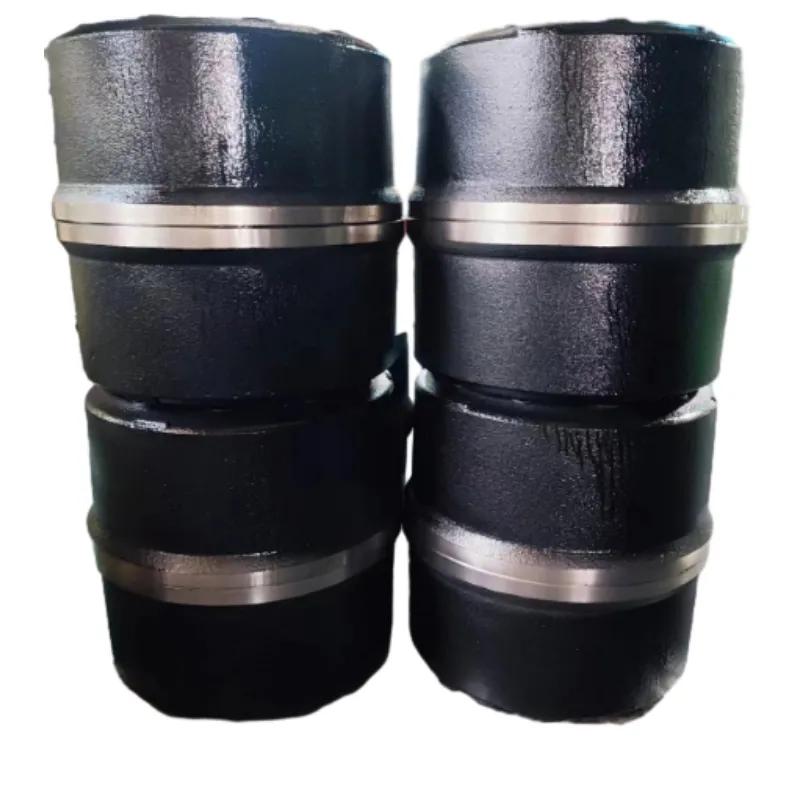
The transport infrastructure in Equatorial Guinea relies heavily on robust vehicles capable of navigating humid, tropical terrains. In such environments, brake components are subject to extreme thermal stress and accelerated corrosion. The use of air brake drum systems is common in heavy-duty fleets to ensure reliable stopping power under load, yet the local climate requires materials with superior heat dissipation to prevent brake fade during prolonged descents or stop-and-go urban traffic.
Maintenance efficiency is a critical driver for local operators. Traditional wear often leads to uneven surfaces, making professional brake drum turning essential to restore optimal contact between the shoe and the drum. For specialized industrial applications, such as port operations or construction, the demand for a heavy-duty crane brake drum highlights the need for precision castings that can handle immense static and dynamic loads without deformation.
As the regional automotive market evolves, there is a shift toward integrated safety systems. The adoption of abs drum brakes allows for better vehicle control on slippery roads, particularly during the rainy season. By focusing on high-grade metallurgy and rigorous quality testing, manufacturers can provide components that reduce the frequency of replacements, thereby lowering the total cost of ownership for fleet managers in the region.