
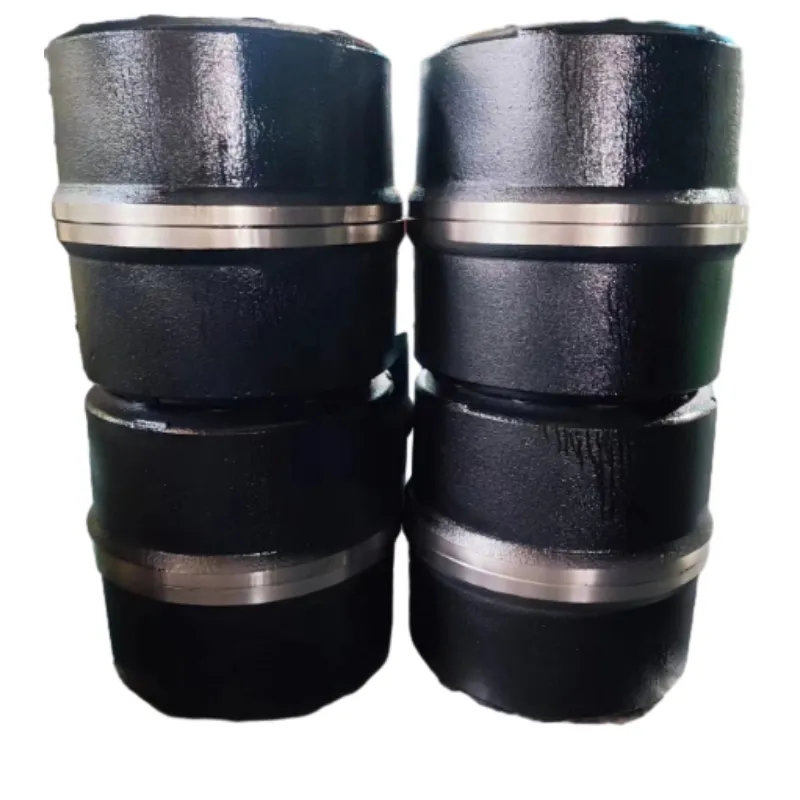
High-Performance air brake drum Solutions for Bolivia

Engineering superior braking efficiency and safety for heavy-duty transportation and industrial machinery across the Bolivian highlands and lowlands.

High-Performance air brake drum Solutions for Bolivia

Providing rugged, heat-resistant, and precision-engineered braking components designed to withstand the extreme altitude and diverse terrain of the Bolivian automotive market.

The Braking System Landscape in Bolivia

Analyzing the impact of geography on heavy-duty brake wear and maintenance.

In Bolivia, the automotive industry faces unique challenges due to the dramatic shift in altitude between the Altiplano and the tropical lowlands. This environmental variance leads to rapid thermal cycling in brake systems, making the demand for high-quality gunite brake drums critical for maintaining friction stability under extreme pressure.

The prevalence of heavy mining transport and logistics in regions like Potosí and Oruro puts immense strain on commercial fleets. This has created a significant local market for professional brake drum turning services to extend the lifespan of components and reduce the total cost of ownership for fleet operators.

Furthermore, as safety regulations evolve, there is a noticeable transition from basic mechanical systems to integrated abs drum brakes. This shift is driven by the need to prevent wheel lock-up on the slippery, winding roads of the Andes, ensuring safer descent for heavy-duty trucks.

Evolution of Braking Technology in Bolivian Manufacturing

From traditional cast iron to smart, integrated braking architectures.

Market Development History

From 1990 to 2005, the Bolivian market relied heavily on basic cast-iron drums with minimal heat dissipation. Maintenance was primarily reactive, focusing on simple replacements rather than precision resurfacing.

Between 2006 and 2015, the introduction of specialized crane brake drum designs revolutionized the mining sector, allowing for safer heavy-lifting operations in high-altitude environments where traditional materials often failed.

Since 2016, the focus has shifted toward "Smart Braking." The integration of electronic sensors and ABS-compatible drums has become the standard for new commercial imports, emphasizing proactive safety and reduced braking distances.

Future Development Trends

Advanced Composite Materials

We predict a shift toward hybrid ceramic-metallic compositions to combat the extreme temperature fluctuations found in the Bolivian Altiplano.

Precision Remanufacturing

The adoption of CNC-based brake drum turning will increase to minimize material waste and maximize the utility of existing heavy-duty components.

Digital Braking Monitoring

Integration of IoT sensors within drum housings to provide real-time wear data, shifting maintenance from scheduled to predictive models.

Industry Trends and Future Outlook

Strategizing for the next era of automotive safety and durability.

Thermal Management
Increasing the use of vented architectures to prevent brake fade during long descents from the Andes mountains.
ABS Integration
Accelerated adoption of abs drum brakes to meet international safety standards for commercial fleets.
Material Durability
Developing alloys that are resistant to the corrosive effects of high-altitude humidity and mineral dust.
Eco-Manufacturing
Implementing sustainable casting processes to reduce the carbon footprint of automotive component production.

Industry Outlook

Based on current search trends and industrial growth in South America, we anticipate a 15% increase in demand for high-specification braking components over the next 3 years. As Bolivia expands its road infrastructure, the requirement for heavy-duty, durable drums will grow proportionally.

The future lies in the convergence of precision machining and advanced metallurgy. Companies that provide a full lifecycle service—from the initial supply of a crane brake drum to professional resurfacing—will dominate the regional market.

Localized Application Scenarios in Bolivia

Real-world implementation of high-performance braking solutions across various Bolivian sectors.

01. High-Altitude Mining Logistics

Utilizing reinforced drums in the Potosí mining region to ensure consistent stopping power for ore-carrying trucks navigating steep, unpaved mountain passes.

02. Industrial Port Machinery

Implementing specialized crane brake drum systems in logistics hubs to ensure safe load handling and precise positioning during shipment processing.

03. Inter-City Heavy Transport

Deploying abs drum brakes on long-haul trucks traveling between La Paz and Santa Cruz to minimize accident risks on rain-slicked highways.

04. Municipal Waste Management

Equipping city refuse trucks with air brake drum units that are designed for frequent stop-and-go cycles in dense urban environments.

05. Fleet Maintenance Centers

Providing high-precision brake drum turning equipment to local workshops to reduce vehicle downtime and extend the life of braking hardware.

Brand Story

Global Development Journey of Hebei Ningchai Machinery Co., Ltd.

Foundational Excellence

Established with a vision to master the art of casting and machining, we began by solving the most basic durability issues in automotive braking.

Technological Breakthrough

We invested in advanced metallurgy to develop friction materials that withstand extreme heat, paving the way for our expansion into international markets.

Global Expansion

Recognizing the needs of emerging markets, we tailored our product lines to suit the rugged terrains of South America and Southeast Asia.

Quality Standardization

Achieving global certifications allowed us to integrate our components into the supply chains of the world's leading commercial vehicle brands.

Future-Proofing Safety

Our current mission is to merge traditional durability with smart technology, ensuring every vehicle we serve is safer and more efficient.

Complete Braking Portfolio for the Bolivian Market

A comprehensive range of products designed for durability, safety, and performance.

Frequently Asked Questions in Bolivia

Expert answers to common technical queries regarding brake drum maintenance and selection.

How often should I perform brake drum turning for heavy trucks in the Andes?

Due to the steep gradients and high loads in mountainous regions, we recommend inspecting drums every 20,000km and performing turning whenever scoring or ovality is detected to maintain optimal contact with the brake shoes.

What are the benefits of gunite brake drums in high-temperature environments?

Gunite-coated or specialized composite drums offer superior thermal conductivity and wear resistance, reducing the risk of brake fade during prolonged downhill braking.

Are abs drum brakes compatible with older commercial fleet models?

While the drums themselves may fit, ABS functionality requires a compatible electronic control unit (ECU) and wheel speed sensors. We provide consultation on upgrading older systems to modern safety standards.

How do I choose the right crane brake drum for mining operations?

Selection should be based on the maximum load capacity, the duty cycle of the crane, and the environmental exposure. Our industrial drums are engineered specifically for high-torque mining applications.

What causes premature wear in air brake drum systems in Bolivia?

The combination of mineral-rich dust (acting as an abrasive) and extreme thermal cycling often accelerates wear. Regular cleaning and the use of high-grade alloys can significantly extend life.

Can brake drum turning be done on-site at the mine?

Yes, with portable precision lathes, basic resurfacing can be performed. However, for critical safety components, we recommend using certified facility-based CNC turning for perfect concentricity.

Request a Technical Consultation

Optimize your fleet's safety and performance with our expert braking solutions tailored for Bolivia.

Contact Us Now

If you are interested in our products, you can choose to leave your information here, and we will be in touch with you shortly.