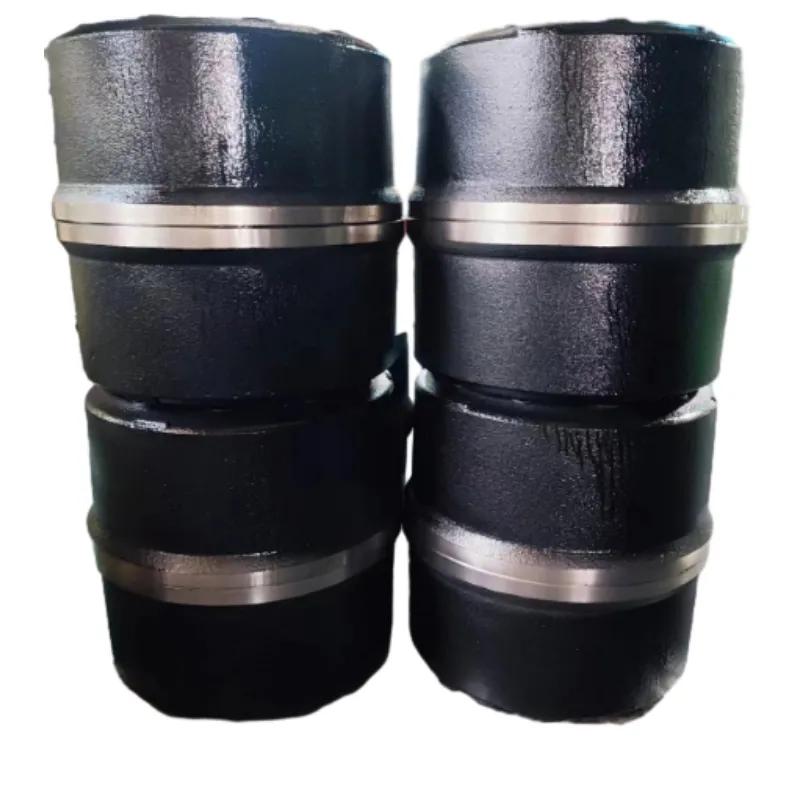

Heavy-Duty Braking Solutions for the Libyan Market
Specialized automotive casting components engineered to withstand extreme thermal stress and heavy load requirements.
Market Analysis
Addressing Brake Wear in North African Operating Environments
The intersection of high ambient temperatures and abrasive sand particles accelerates friction component degradation.
In Libya, the logistics sector relies heavily on commercial vehicles and heavy machinery that operate across vast distances under intense heat. These conditions place immense pressure on braking systems, where thermal fade and surface scoring become critical safety concerns. The demand for air brake drum systems is particularly high for long-haul transport, requiring materials that can dissipate heat rapidly without warping.
Furthermore, the prevalence of dust and sand creates a highly abrasive environment. This leads to rapid wear of traditional drums, making specialized processes like brake drum turning essential for maintaining safety standards. Local fleet operators are increasingly shifting toward components that offer higher hardness and better metallurgy to extend the replacement cycle.
For procurement managers in Libya, this means that material composition is more important than initial cost. Sourcing components with rigorous quality control—such as those tested via spectrometers and hardness testers—ensures that the braking system can handle the specific stresses of the region, reducing unplanned downtime and increasing fleet reliability.
Industry Evolution
The Shift Toward Advanced Braking Metallurgy
From basic casting to high-precision CNC automotive components.
Traditional Casting
Basic Component Sourcing
Focus on basic fitment and availability of standard drums with minimal quality certification.
Precision Integration
CNC and Quality Standards
Adoption of CNC vertical lathes and ISO/TS16949 standards to ensure tighter tolerances and safety.
Modern Era
Specialized Application Engineering
Deployment of abs drum brakes and specialized alloys for extreme environments.
01
Thermal Management
Increased demand for alloys that prevent thermal cracking during prolonged braking in high-temperature regions.
02
Dynamic Balancing
Integration of automatic dynamic balancing to reduce vibration and wear on axle bearings in heavy trucks.
03
Material Hardening
Shift toward gunite brake drums and advanced surface treatments to resist abrasive desert sand.
Future-Proofing
Technical Directions for Braking Systems
Preparing for the next generation of automotive safety.
01
Smart Integration
Enhanced compatibility between drums and electronic ABS sensors for improved safety.
02
Wear Prediction
Implementing tighter tolerances to allow for more predictable wear patterns in industrial use.
03
Alloy Optimization
Developing new casting mixtures that optimize the balance between weight and heat absorption.
04
Supply Stability
Establishing robust procurement channels for critical components to avoid fleet grounding.
As the automotive landscape in North Africa evolves, the focus is moving toward "Total Cost of Ownership." While lower-grade castings may seem economical, the failure rate in high-heat environments often leads to higher long-term costs. Advanced CNC machining and automated paint lines ensure that components are not only precise but protected against corrosion.
Procurement teams should prioritize suppliers who can provide verified metallographic analysis and tensile testing results. This technical transparency ensures that the braking components will perform under the specific load-bearing requirements of the Libyan transport sector.
Practical Applications
Industrial Application Scenarios in Libya
Real-world deployments of specialized brake components.
01
Long-Haul Logistics Fleets
Operating between Tripoli and Benghazi, these vehicles require air brake drums that can handle continuous high-speed braking without overheating, ensuring safety across long desert stretches.
02
Port and Harbor Machinery
Heavy-duty crane brake drum systems are critical for port operations, where high-torque braking is required to move heavy containers in saline, humid coastal air.
03
Oil & Gas Field Transport
Support vehicles in the Sirte Basin face extreme dust ingress; using ABS-compatible drums helps maintain directional stability during emergency braking on sandy roads.
04
Urban Public Transit
City buses in densely populated areas experience frequent stop-and-go cycles, necessitating brake drums with high thermal fatigue resistance to prevent surface cracking.
05
Construction Equipment Maintenance
Heavy machinery used in infrastructure projects requires precise brake drum turning to restore smooth braking surfaces and extend the life of the existing hardware.
Corporate Profile
Hebei Ningchai Machinery Co., Ltd.
Dedicated to automotive casting excellence since 2007.
2007
Foundation and Early Casting
Established as Ningjin Lingyun Casting Mold Co., Ltd., the company began focusing on the core fundamentals of automotive casting and mold production.
2015
Strategic Rebranding and Expansion
Renamed to Hebei Ningchai Machinery Co., Ltd. to reflect an expanded business scope, specializing in brake drums, discs, and cylinder heads.
Recent Growth
Technological Maturity
Achieved ISO/TS16949:2009 and SAI certifications, operating with 24 CNC vertical lathes and advanced testing equipment to serve global markets with 400+ models.
Certified Braking Components for Global Distribution
Engineering excellence delivered through state-of-the-art electric smelting and automated paint lines.
Technical Support
Frequently Asked Questions
Expert guidance on brake drum selection and maintenance.
How does the Libyan desert climate affect brake drum lifespan?
Extreme heat leads to thermal expansion and potential warping, while abrasive sand particles act as an abrasive, accelerating surface wear. This makes high-density castings and proper surface hardening essential.
When is brake drum turning recommended over full replacement?
Turning is viable when the drum has sufficient remaining thickness and the scoring is superficial. It restores the flat contact surface required for optimal friction, extending the component's life.
What are the advantages of using ABS-compatible drum brakes for heavy trucks?
ABS drums are engineered with precise tolerances to work seamlessly with electronic sensors, preventing wheel lock-up during emergency braking on unstable or sandy surfaces common in North Africa.
Which specifications should procurement teams verify for industrial brake drums?
Teams should verify the metallurgical composition via spectrometer reports, hardness levels, and ensure the manufacturer follows ISO/TS16949 quality management systems.
Can crane brake drums be customized for specific load requirements?
Yes, industrial drums for cranes are typically engineered based on specific torque and load requirements, requiring specialized casting and precision machining to ensure safe load holding.
How does Hebei Ningchai ensure the quality of each brake drum?
The company utilizes a comprehensive testing suite including a CS analyzer, spectrometer, hardness tester, and a fully automatic dynamic balancing machine to ensure every piece meets strict performance standards.
Global Logistics Support
Upgrade Your Fleet's Braking Reliability
Providing high-durability automotive components for the industrial and transport sectors in Africa - Libya. Discuss your technical specifications and procurement needs with our engineering team today.
Discuss Your Requirements