Look, I’ve spent the last fifteen years breathing concrete dust and arguing with foremen, and let me tell you, brake drums aren’t just some part in a catalog. They’re the unsung heroes of keeping everything moving, from heavy-duty trucks hauling materials to the equipment on massive construction sites. A reliable brake drum factory is the backbone of safe and efficient operations. We're talking about preventing accidents, minimizing downtime, and ultimately, getting projects done on time and under budget. It's not glamorous work, but it’s critical, and that's why understanding where these drums come from and what makes a good one is paramount.
What often gets overlooked is the sheer scale of demand. Globally, the construction, automotive, and logistics industries are huge, constantly requiring replacements and upgrades. According to a recent UN report, global construction output is projected to reach $18 trillion by 2030. That means a constant need for robust braking systems. The problem isn’t just supply; it's quality. Too many times, I've seen operations crippled by cheap, unreliable drums that crack, warp, or simply don't perform under the stress they're designed for. That’s where a dependable brake drum factory truly shines.
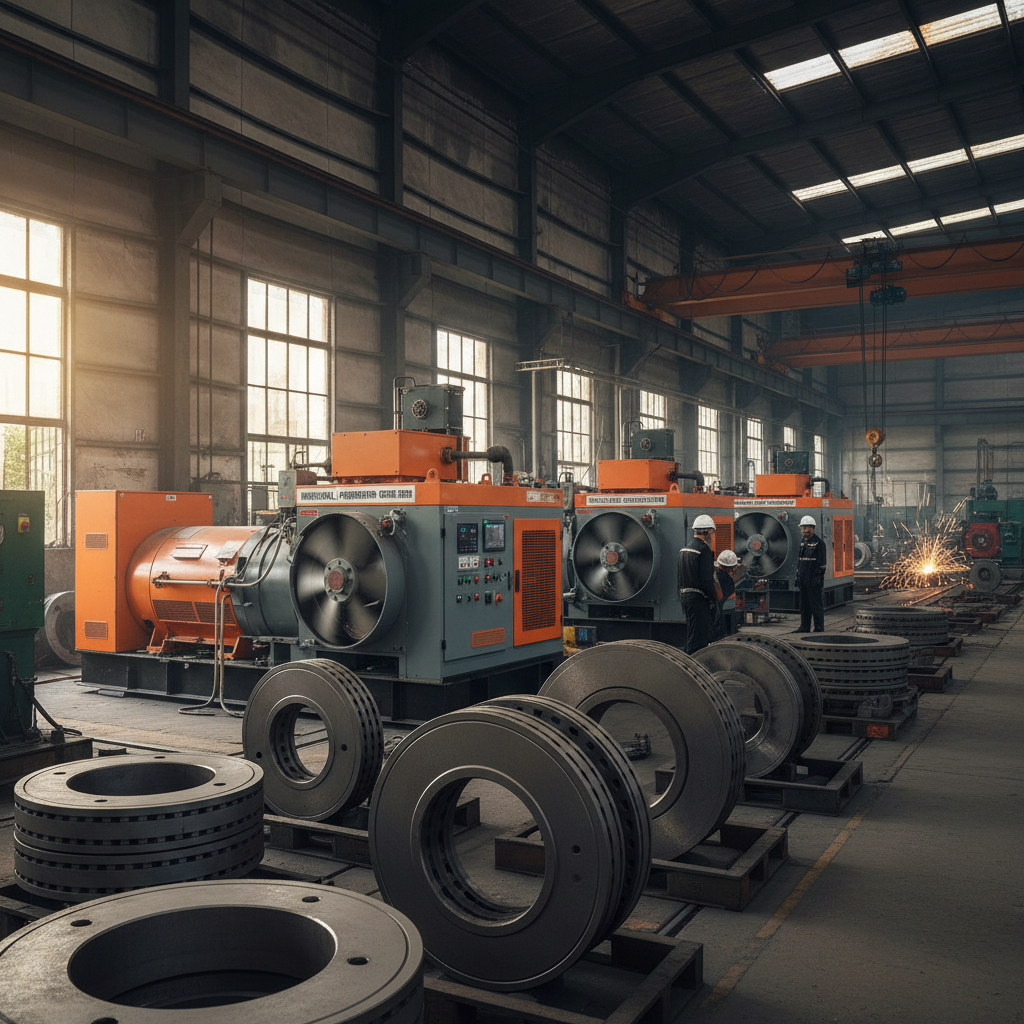
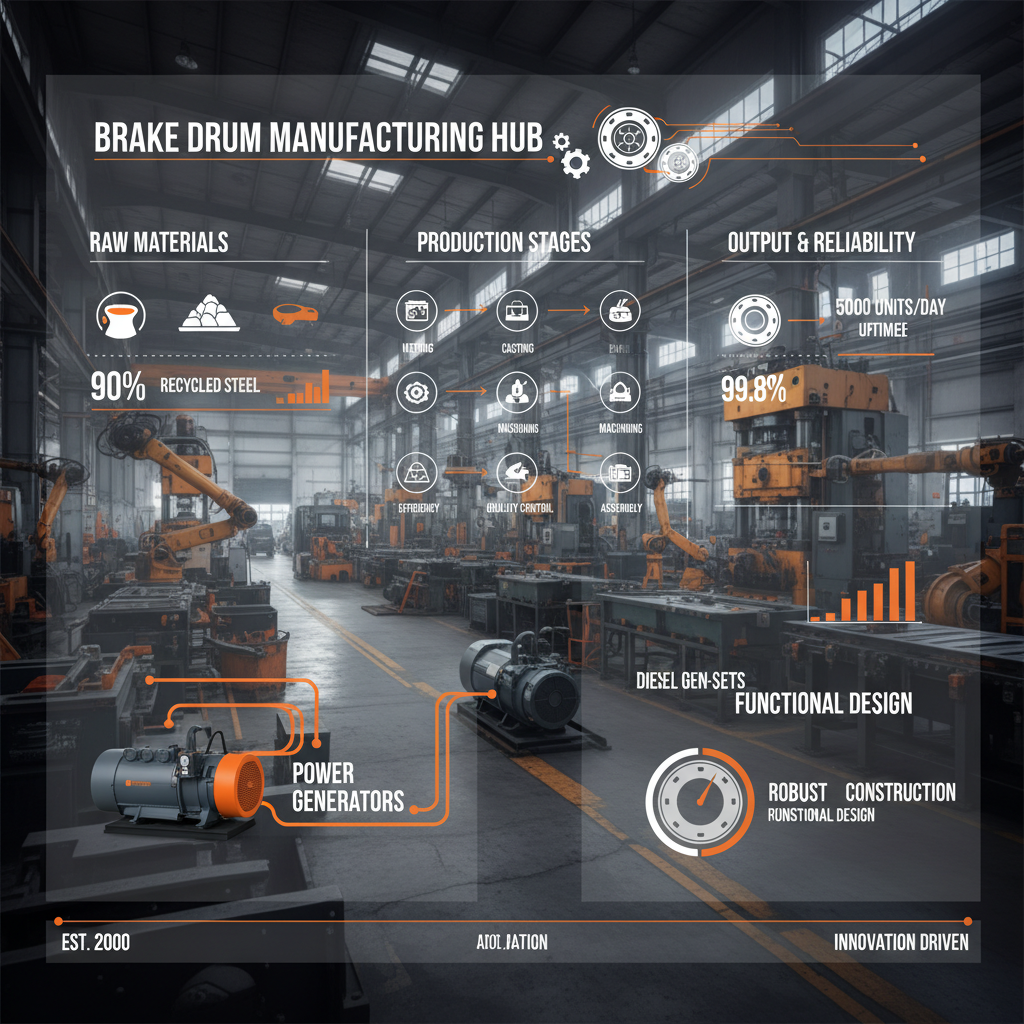
Essentially, a brake drum factory is the facility where these vital components are manufactured. It’s not just about pouring metal into a mold. It’s a complex process involving precision engineering, rigorous quality control, and a deep understanding of material science. It’s about consistently delivering a product that can withstand extreme temperatures, heavy loads, and constant friction—year after year. A good factory doesn’t just make brake drums; they solve problems for engineers and operators in the field.
The Importance of a Reliable brake drum factory
You see a lot of shortcuts taken on construction sites. Guys trying to save a buck, using lower-quality parts. But with something like brake drums, that’s a false economy. A failure out there doesn't just mean downtime; it can mean a serious accident. A reputable brake drum factory understands that responsibility, and it shows in their product. They’re not just selling metal; they're selling peace of mind.
The impact extends beyond safety. Constant breakdowns mean lost productivity, increased maintenance costs, and project delays. Every minute a piece of equipment is sidelined is costing someone money. A good factory focuses on consistent quality and durability, minimizing those headaches and maximizing uptime. Believe me, when you’re under a deadline, that's worth its weight in gold.
Defining brake drum factory & Its Global Role
Let’s break it down. A brake drum factory is, at its core, a manufacturing facility specialized in producing brake drums. But it's far more nuanced than that. It requires skilled machinists, metallurgical expertise, and a robust quality assurance process. These aren't just thrown together; they’re engineered to withstand incredible stress. The global role is massive, directly supporting the transportation and construction sectors.
The demand is truly worldwide. From the mines in Australia to the bustling ports in China, and the construction booms in developing nations, reliable braking systems are crucial. ISO standards dictate stringent quality control measures that a good brake drum factory will adhere to, ensuring compatibility and performance across different markets. That global reach means those factories are vital to keeping the world moving.
It’s not just about producing for the big OEMs (Original Equipment Manufacturers) either. There’s a significant aftermarket demand for replacement parts. Think about the aging fleet of trucks, the constant wear and tear on construction equipment, and the need for readily available replacements. A strong factory caters to both segments, providing both original components and reliable aftermarket solutions.
Key Characteristics of High-Quality brake drum factory
First and foremost, it's about material selection. A top-tier brake drum factory uses high-grade cast iron or ductile iron specifically formulated for its strength, heat resistance, and wear properties. You can tell a lot just by looking at the raw material – a good factory won’t compromise on that.
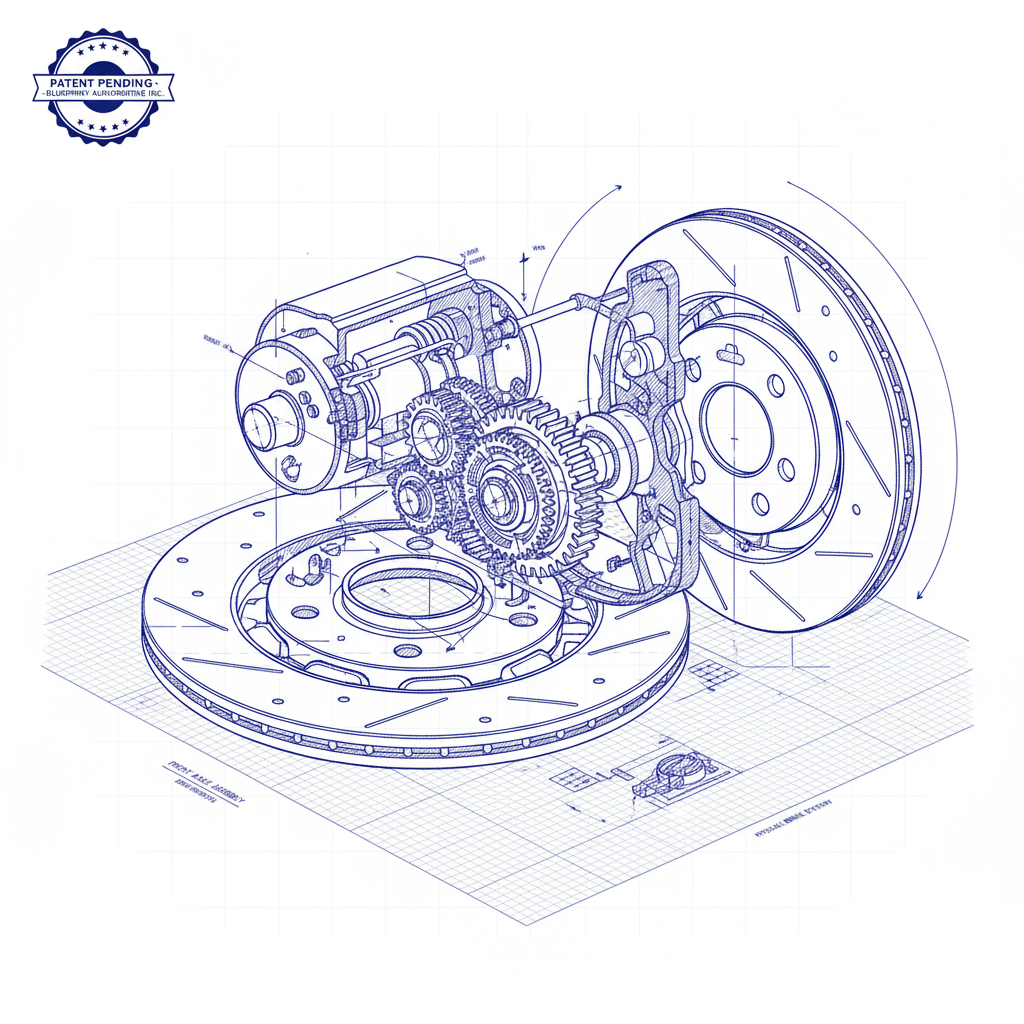
Secondly, precision machining is key. The drums need to be perfectly round, with consistent wall thickness and smooth braking surfaces. Any imperfections can lead to uneven wear, reduced braking efficiency, and potential failure. I’ve seen drums with visible machining flaws, and I wouldn’t trust them on my own equipment.
Finally, and this is often overlooked, it's the quality control process. A good factory has multiple checkpoints throughout the manufacturing process, including dimensional inspections, metallurgical analysis, and rigorous testing under simulated operating conditions. They’re not just checking for defects; they're verifying performance.
Factors Influencing brake drum factory Performance
The efficiency of a brake drum factory hinges on several factors. The availability of skilled labor is crucial, as precision machining and quality control require experienced technicians. Automation can help, but it’s no substitute for a knowledgeable workforce.
Material costs also play a significant role. Fluctuations in the price of iron and other raw materials can impact production costs. Efficient inventory management and strategic sourcing are essential for maintaining competitiveness.
brake drum factory Performance Metrics
Real-World Applications of brake drum factory
You'll find the output of a good brake drum factory everywhere heavy equipment operates. In construction, they're essential for cranes, excavators, bulldozers, and dump trucks. Without reliable brakes, these machines are a disaster waiting to happen.
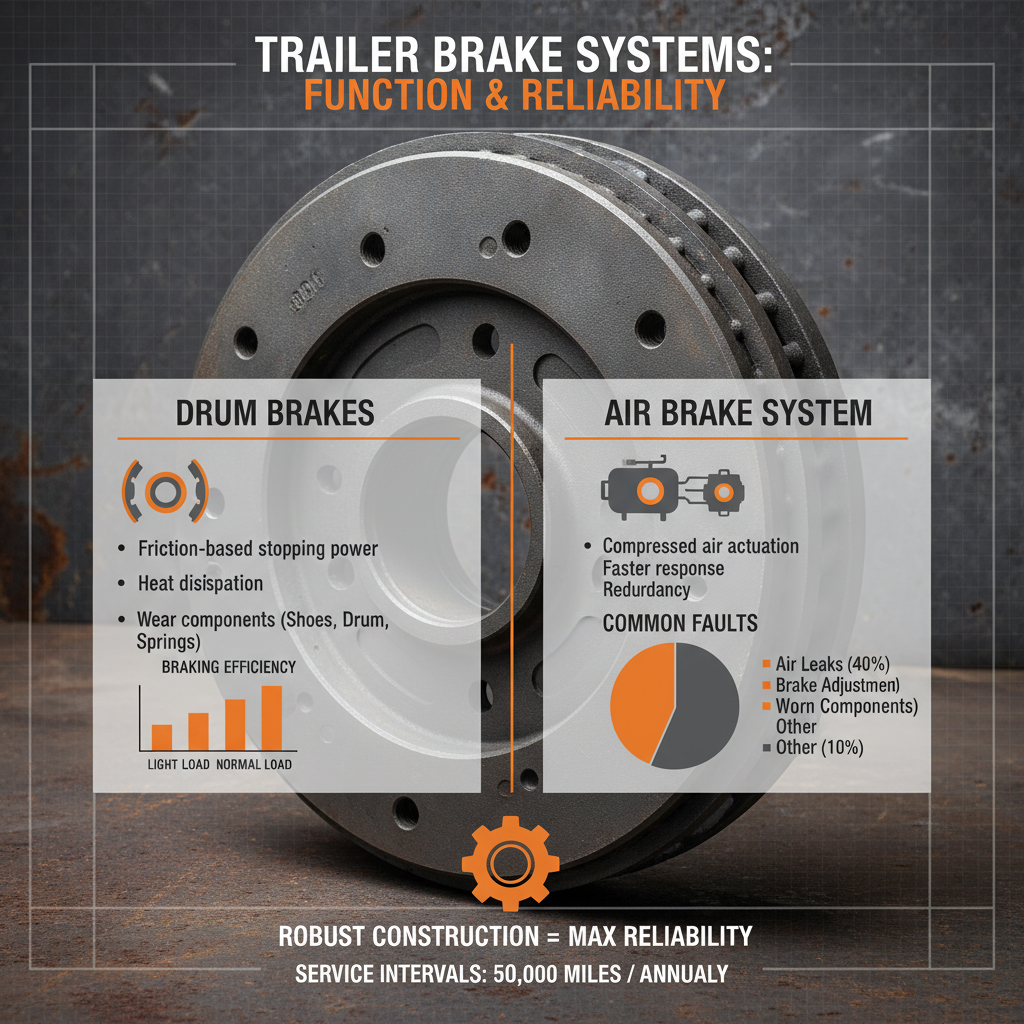
In the transportation sector, they're critical for trucks, buses, and trailers. Long-haul trucking demands incredibly durable braking systems, and a failed drum can lead to serious accidents and significant delays. They're also vital for railway systems, ensuring the safe and efficient movement of goods and passengers.
Advantages & Long-Term Value of a Trustworthy brake drum factory
Investing in quality from a reliable brake drum factory translates directly to cost savings. Reduced downtime, fewer repairs, and extended component life all add up. It's not about the cheapest upfront price; it’s about the total cost of ownership.
Beyond the financial benefits, there's the peace of mind knowing your equipment is safe and reliable. That has a real impact on productivity and employee morale. A reputation for quality builds trust, and in this industry, trust is everything.
Increasingly, sustainability is also becoming a factor. Durable, long-lasting components reduce waste and minimize the environmental impact of frequent replacements. A forward-thinking factory will prioritize environmentally responsible manufacturing practices as well.
Future Trends and Innovations in brake drum factory
We’re starting to see more advanced materials being explored, like composite brake drums that offer weight reduction and improved heat dissipation. Automation and AI-powered quality control systems are also becoming more prevalent, improving efficiency and reducing defects.
There’s also a growing focus on predictive maintenance. By incorporating sensors into the drums themselves, factories can collect data on wear and tear, allowing for proactive replacements and minimizing unplanned downtime. That’s the kind of innovation that can really transform the industry.
Finally, as the industry moves towards electric and hybrid vehicles, we’ll see a shift in braking systems. While traditional drums may become less common in some applications, the underlying principles of precision manufacturing and quality control will remain essential.
Summary of Factors Influencing brake drum factory Innovation
| Material Science |
Automation Level |
Data Analytics Integration |
Sustainability Practices |
| Research into composite materials |
Implementation of robotic machining |
Sensor integration for wear monitoring |
Waste reduction programs |
| Advanced casting techniques |
Automated quality inspection systems |
Predictive maintenance algorithms |
Use of recycled materials |
| Development of heat-resistant alloys |
Automated material handling |
Real-time performance analysis |
Energy-efficient manufacturing processes |
| Nanomaterial integration for durability |
AI-powered process optimization |
Supply chain data analysis |
Reduced carbon footprint |
| Surface treatment innovations |
Digital twin technology |
Customer feedback integration |
Water conservation initiatives |
| Lightweight material alternatives |
Automated assembly lines |
Remote monitoring capabilities |
Responsible sourcing of raw materials |
FAQS
That depends heavily on the application and operating conditions, but a well-made drum from a reputable brake drum factory should easily last 5-7 years, and often much longer, with proper maintenance. Heavy-duty applications will see more wear, of course, but quality materials and precision machining significantly extend the lifespan. We’ve seen drums in service for over a decade without major issues, but regular inspections are key.
Look for certifications like ISO 9001, which indicates a commitment to quality management systems. Check their reputation within the industry – talk to other mechanics and fleet managers. A good factory will be transparent about their manufacturing processes and willing to provide detailed specifications and testing data. Don’t be afraid to ask tough questions and visit their facility if possible.
The most common material is gray cast iron due to its excellent heat absorption and wear resistance. Ductile iron is also used, offering higher strength and toughness. Some newer drums incorporate composite materials for weight reduction and improved performance. A good brake drum factory will be able to explain the specific properties of the materials they use and why they’re appropriate for the intended application.
They’ll have inspections at every stage of production, from raw material sourcing to final machining and finishing. This includes dimensional checks, material analysis, hardness testing, and non-destructive testing methods like ultrasonic inspection to detect internal flaws. A robust quality control system is non-negotiable for a reliable factory.
Absolutely. Brake drums are designed to suit specific vehicle types and operating conditions. You’ll find drums for light-duty vehicles, heavy-duty trucks, trailers, and industrial equipment, each with different dimensions, materials, and design features. A good brake drum factory will offer a wide range of options and be able to recommend the appropriate drum for your specific needs.
Heat is the enemy of brake drums. Good factories use materials with high thermal conductivity to dissipate heat efficiently. They also employ design features like cooling fins and optimized drum profiles to improve airflow and reduce heat buildup. Proper ventilation and material selection are critical for preventing brake fade and extending drum life.
Conclusion
Ultimately, a reliable brake drum factory is about more than just manufacturing parts. It’s about understanding the demands of the industries they serve, prioritizing quality and safety, and continuously innovating to meet evolving needs. Investing in quality brake drums isn’t just a cost; it’s an investment in safety, efficiency, and long-term reliability.
If you’re looking for a partner you can trust, one that delivers consistently high-quality brake drums and provides exceptional support, I encourage you to explore your options and prioritize a factory with a proven track record. Don't settle for anything less. Visit our website at www.ningchaibrakedrum.com to learn more about how we can help you keep your operations running smoothly and safely.