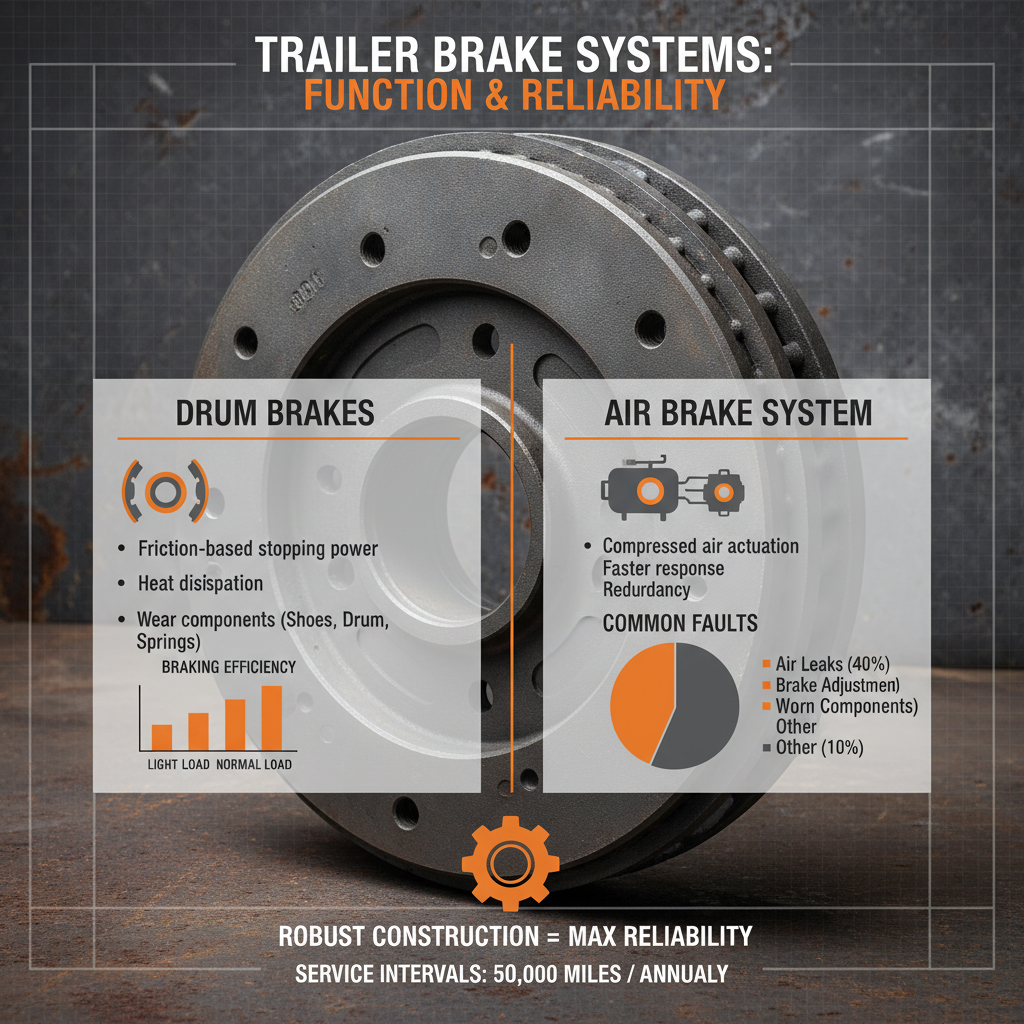
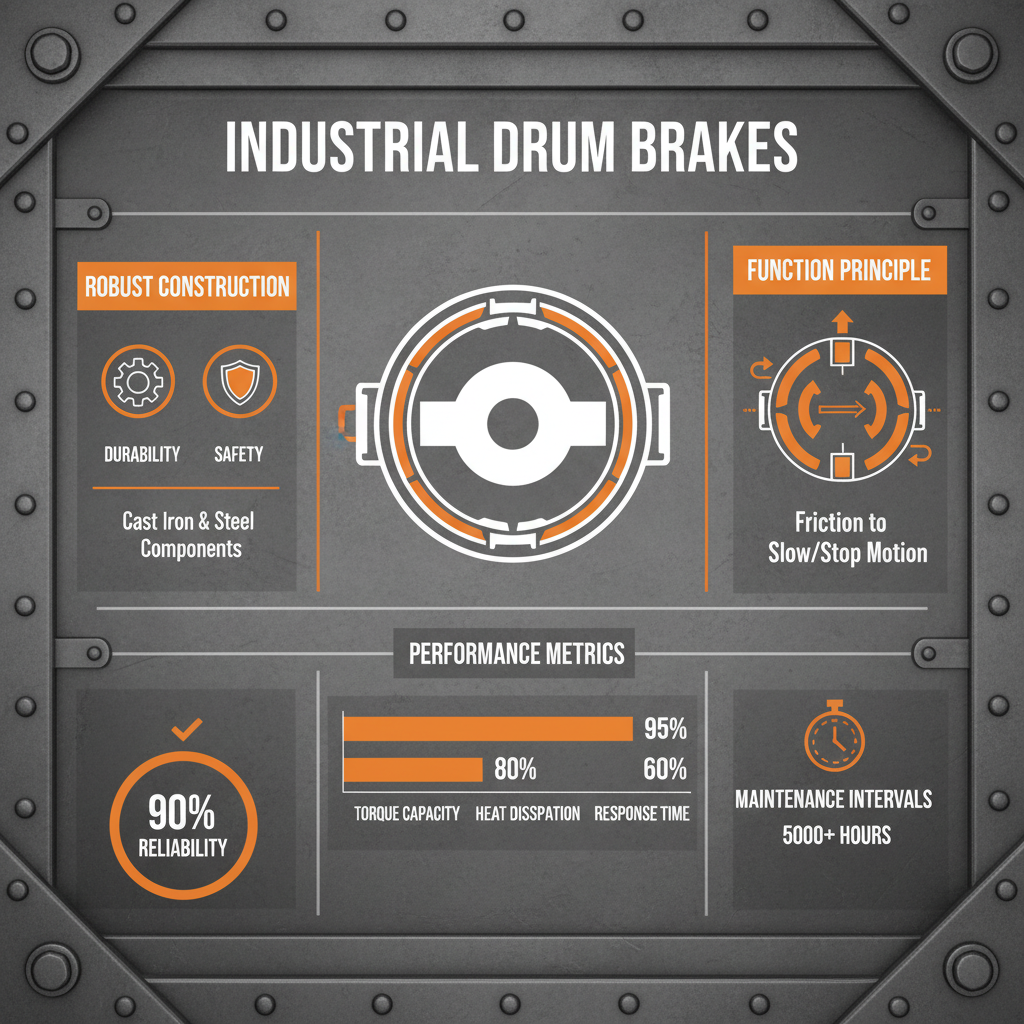
Drum brake replacement cost is a critical factor for vehicle owners and fleet managers alike. It directly impacts safety, operational expenses, and the longevity of a vehicle. Understanding the nuances of this cost – from parts to labor – is no longer just for mechanics; it’s essential knowledge for anyone responsible for maintaining a fleet or ensuring their personal vehicle remains roadworthy. Failing to address brake issues promptly or choosing the cheapest options can lead to far more significant and costly repairs down the line, not to mention the serious safety risks involved.
In today’s market, discerning the true drum brake replacement cost requires a comprehensive look beyond the initial quote. Factors such as vehicle make and model, the quality of replacement parts (OEM vs. aftermarket), and regional labor rates all play a significant role. It’s a complex equation, especially considering the potential for discovering additional issues – worn wheel cylinders, damaged brake shoes, or even damaged drums – during the inspection process. A transparent and detailed estimate is paramount for building trust and avoiding unpleasant surprises.
Ultimately, a realistic understanding of drum brake replacement cost isn’t just about saving money; it’s about prioritizing safety and responsible vehicle maintenance. Ignoring brake issues can have devastating consequences, both financially and personally. This article will delve into the various factors influencing this cost, providing a practical guide for vehicle owners and fleet managers to make informed decisions and ensure their braking systems are operating at peak performance.
The Importance of Understanding drum brake replacement cost
From years spent in the field, I’ve seen firsthand how neglecting brake maintenance ends up costing folks a fortune. It’s not just about the drum brake replacement cost itself, but the cascading effects of ignoring warning signs. A simple brake shoe replacement can turn into a wheel cylinder overhaul, and then potentially the drum itself needing replacement. Knowing what a fair price looks like upfront can save you from getting taken advantage of and, more importantly, keeps you safe on the road.
Properly maintained brakes are your vehicle's primary safety feature. Skimping on this critical system is never worth the risk. Understanding the individual components involved in a drum brake replacement – the shoes, springs, wheel cylinders, and the drum itself – empowers you to ask informed questions and evaluate quotes effectively. Don't just focus on the bottom line; understand what you're paying for.
Defining drum brake replacement cost
drum brake replacement cost encompasses the total expense associated with restoring the functionality of a vehicle’s drum braking system. This includes the cost of all necessary replacement parts – brake shoes, springs, wheel cylinders, and potentially the drum itself – as well as the labor charges incurred by a qualified mechanic. It's a straightforward concept, but the devil’s in the details. A ‘replacement’ can range from simply replacing worn shoes to a complete overhaul of the entire system.
It's important to differentiate between a basic brake shoe replacement and a full drum brake service. The former is significantly cheaper but only addresses a portion of the potential issues. A full service involves inspecting all components, replacing worn or damaged parts, and ensuring proper adjustment and lubrication. drum brake replacement cost is highly dependent on the scope of work required.
Furthermore, the term “cost” shouldn’t be limited to monetary value. The cost of not replacing brakes – the potential for accidents, damage, and injury – far outweighs the financial burden of preventative maintenance. Prioritizing safety and adhering to recommended maintenance schedules is a crucial aspect of responsible vehicle ownership.
Key Components Affecting the Cost
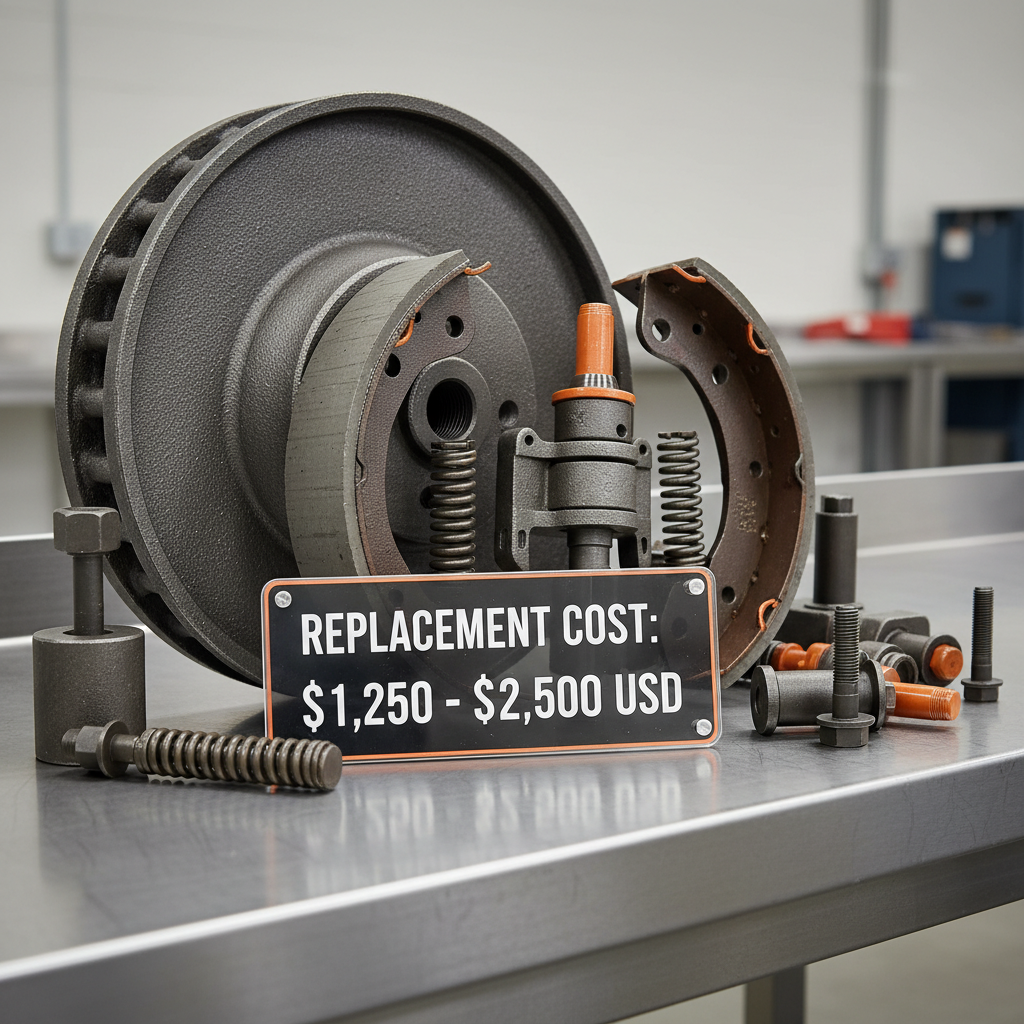
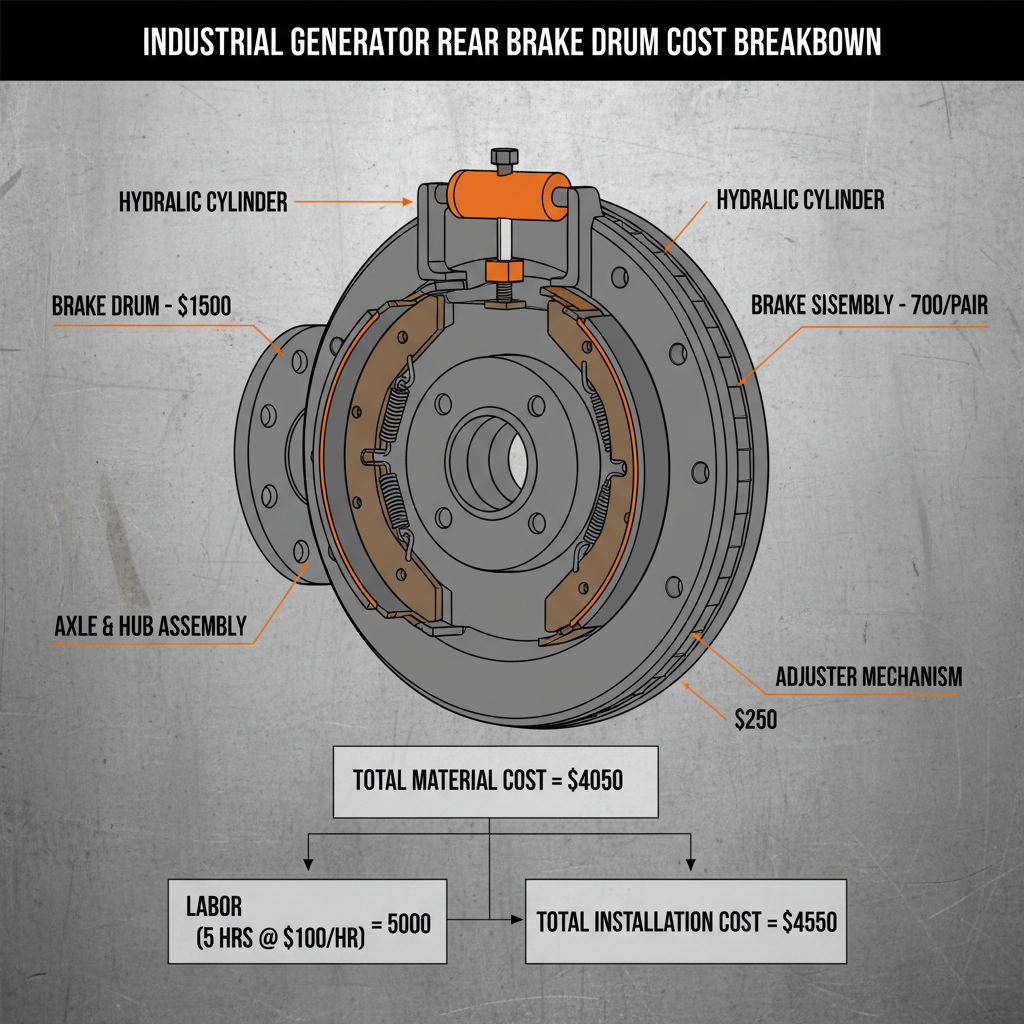
Several key components directly influence drum brake replacement cost. Brake shoes are the most frequently replaced part, and their cost varies depending on quality (organic, semi-metallic, or ceramic). Wheel cylinders, which actuate the brake shoes, are prone to leaks and require replacement when they fail. The brake drum itself, while more durable, can become warped or excessively worn over time, necessitating replacement.
Don't underestimate the cost of hardware like springs and adjusters. These seemingly small parts are crucial for proper brake function, and replacing them during a brake service is highly recommended. Using quality hardware ensures optimal performance and extends the life of the new brake shoes. Ignoring these small parts can lead to premature wear and reduced braking efficiency.
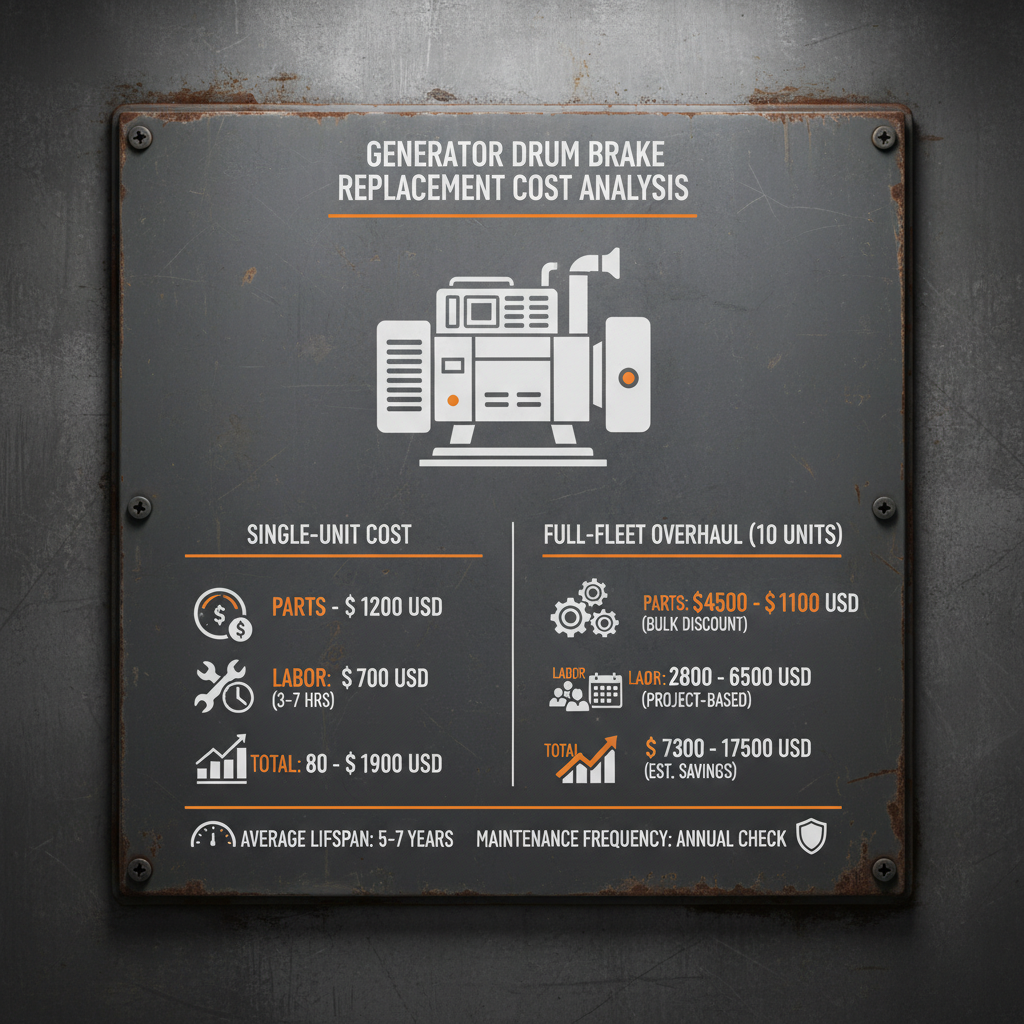
Labor costs are also a significant factor, varying based on location and mechanic experience. A complex brake job requiring additional repairs (e.g., seized adjusters, rusted hardware) will naturally take longer and cost more. It's always wise to get a detailed estimate outlining all parts and labor charges before authorizing any work.
Regional Variations in drum brake replacement cost
The drum brake replacement cost can fluctuate significantly depending on your geographical location. Labor rates, which constitute a substantial portion of the total cost, vary widely across the country. Larger metropolitan areas typically have higher labor costs compared to rural areas. Parts availability and local competition also play a role.
Average drum brake replacement cost by Region
Applications Across Vehicle Types
drum brakes were once the standard on most vehicles, but are now predominantly found on the rear axles of older cars, trucks, and some SUVs. Their simplicity and cost-effectiveness made them a popular choice, but they've largely been replaced by disc brakes in front axle applications and increasingly on rear axles as well. However, knowing the drum brake replacement cost remains essential for owners of these vehicles.
Long-Term Value and Safety Implications
Investing in quality brake components and professional installation pays dividends in the long run. While cheaper alternatives may seem appealing upfront, they often lack the durability and performance of OEM or reputable aftermarket parts. A well-maintained braking system provides peace of mind, knowing you can stop safely in any situation.
Neglecting brake maintenance can lead to catastrophic consequences. Worn brake shoes, leaking wheel cylinders, or warped drums can significantly reduce braking efficiency, increasing stopping distances and the risk of accidents. The financial cost of an accident far exceeds the cost of preventative brake maintenance.
Future Trends and Cost Considerations
While drum brakes are becoming less common, advancements in materials and manufacturing processes are continually improving their performance and durability. New friction materials offer better stopping power and reduced wear, potentially lowering long-term maintenance costs.
The rise of electric vehicles (EVs) is also impacting brake systems. EVs utilize regenerative braking, which reduces wear on traditional brakes. This may lead to longer intervals between brake services and potentially lower overall drum brake replacement cost in the future.
As technology evolves, staying informed about these changes and understanding their impact on brake system maintenance is crucial for vehicle owners and fleet managers.
Summary of Key Factors Influencing Long-Term drum brake replacement cost
| Component Quality |
Driving Habits |
Maintenance Schedule |
Environmental Factors |
| Higher quality components generally last longer, reducing the frequency of replacements. |
Aggressive braking and frequent stop-and-go driving accelerate wear. |
Regular inspections and timely replacements prevent more significant damage. |
Exposure to salt and moisture can accelerate corrosion. |
| OEM parts often provide the best fit and performance, albeit at a higher cost. |
Gentle braking and anticipating stops minimize wear. |
Following the manufacturer's recommended maintenance intervals is crucial. |
Living in coastal areas requires more frequent brake inspections. |
| Aftermarket parts can be a cost-effective alternative, but quality varies. |
Avoiding harsh braking and minimizing unnecessary stops prolongs brake life. |
Early detection of issues prevents them from escalating. |
Regularly washing the vehicle helps remove corrosive elements. |
| Consider the warranty offered with different components. |
Utilizing cruise control on highways reduces brake usage. |
Keeping accurate maintenance records helps track brake wear. |
Storing the vehicle in a garage protects it from the elements. |
| Choosing the right parts for your driving conditions is essential. |
Downhill driving requires careful brake management. |
Addressing minor brake issues promptly prevents major repairs. |
Checking brake fluid levels regularly ensures optimal performance. |
| Researching different brands and reading reviews can help you make an informed decision. |
Avoiding tailgating provides more reaction time and reduces the need for sudden braking. |
Having a trusted mechanic perform brake inspections is invaluable. |
Promptly addressing any unusual noises or vibrations can prevent further damage. |
FAQS
For a standard sedan, you can generally expect a drum brake replacement cost to fall between $200 and $350. This range encompasses parts (brake shoes, springs, wheel cylinders) and labor. However, factors such as the vehicle's make and model, your location, and the extent of any additional repairs needed (like replacing the drum itself) can push the cost higher. It’s always best to get a detailed quote from a reputable mechanic.
The frequency of drum brake replacement depends heavily on your driving habits and the conditions in which you drive. As a general rule, drum brakes should be inspected every 25,000 to 50,000 miles. Brake shoes typically last between 25,000 and 40,000 miles, but aggressive driving or frequent stop-and-go traffic can significantly reduce their lifespan. Listen for squealing or grinding noises, which are indicators of worn brake shoes.
Replacing drum brakes is a moderately complex automotive repair. While it’s possible for experienced DIY mechanics to tackle the job, it requires specialized tools, a thorough understanding of brake systems, and a commitment to safety. Improper installation can lead to brake failure and serious accidents. If you're not confident in your abilities, it’s best to leave it to a qualified professional.
OEM (Original Equipment Manufacturer) brake shoes are manufactured by the same company that supplied the brakes for your vehicle originally. They typically offer the best fit and performance but come at a higher price. Aftermarket brake shoes are produced by third-party manufacturers. Quality can vary significantly with aftermarket brands, so it's crucial to choose a reputable brand with positive reviews. While often more affordable, aftermarket shoes may not last as long as OEM parts.
Several warning signs suggest your drum brakes need attention. These include squealing or grinding noises when braking, a pulsating sensation in the brake pedal, a soft or spongy brake pedal, increased stopping distances, and a brake warning light illuminating on your dashboard. Ignoring these symptoms can lead to more costly repairs and compromise your safety.
Whether to replace the drums depends on their condition. If the drums are heavily worn, warped, or have excessive scoring, they should be replaced along with the brake shoes. If the drums are within acceptable specifications (determined by a mechanic), they can often be resurfaced. Resurfacing involves machining the drums to create a smooth, flat braking surface, which can save you money. However, drums can only be resurfaced a limited number of times.
Conclusion
Understanding drum brake replacement cost isn't just about dollars and cents; it’s about prioritizing safety, responsible vehicle ownership, and avoiding potentially catastrophic situations. From the quality of components to regional labor rates and driving habits, a multitude of factors influence the final price. Being informed and asking the right questions will empower you to make informed decisions and ensure your braking system is functioning optimally.
Looking ahead, advancements in brake technology and the rise of electric vehicles will continue to shape the landscape of brake maintenance. Staying abreast of these changes and embracing preventative maintenance practices will remain crucial for maximizing the lifespan of your vehicle and ensuring your safety on the road. For reliable brake services and expert advice, visit our website at drum brake replacement cost.