Understanding the rear brake drums cost is essential for vehicle owners and fleet managers looking to balance safety with maintenance budgets. The cost of these critical components isn't just a price tag on a shelf; it reflects the material quality, manufacturing precision, and the long-term safety reliability of the vehicle's braking system.
Across the global automotive aftermarket, variations in rear brake drums cost are often driven by the distinction between OEM (Original Equipment Manufacturer) parts and high-quality aftermarket alternatives. Choosing the right drum requires a deep dive into how casting methods and heat treatment affect the total cost of ownership over the life of the part.
By analyzing the factors that influence rear brake drums cost, consumers can avoid the pitfalls of "cheap" parts that wear out prematurely. This guide provides a comprehensive breakdown of pricing drivers, material science, and strategic replacement cycles to help you make an informed procurement decision.
Global Market Dynamics of Rear Brake Drums Cost
The global landscape of rear brake drums cost is heavily influenced by the surge in light commercial vehicle production. As logistics networks expand in Asia and Africa, the demand for durable braking components has led to a more competitive pricing environment, where economies of scale are reducing the per-unit cost for standard sizes.
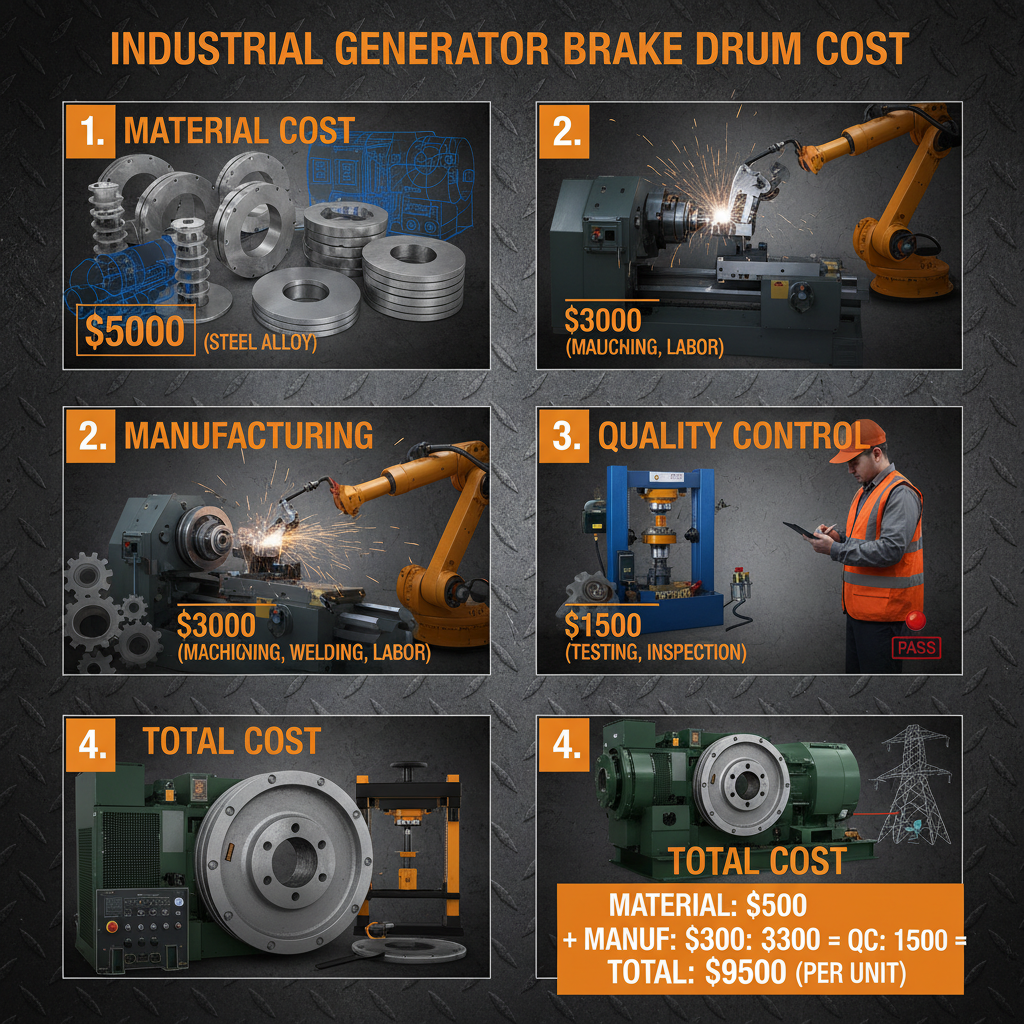
However, regulatory shifts toward stricter safety standards (such as ISO and ECE regulations) have forced manufacturers to invest more in precision machining. This means that while basic rear brake drums cost may seem stable, the cost of "certified" or "high-performance" drums is rising due to the added quality control and testing requirements.
Material Composition and its Impact on Pricing
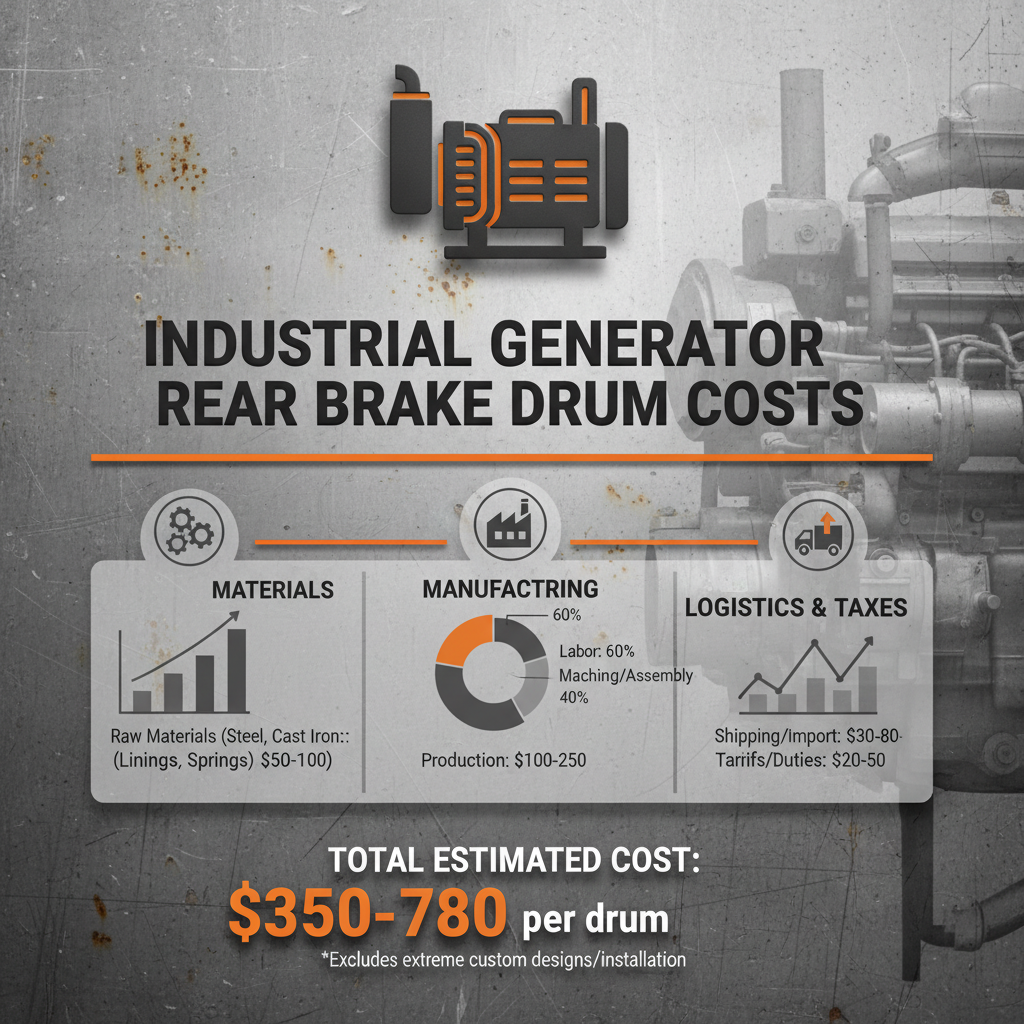
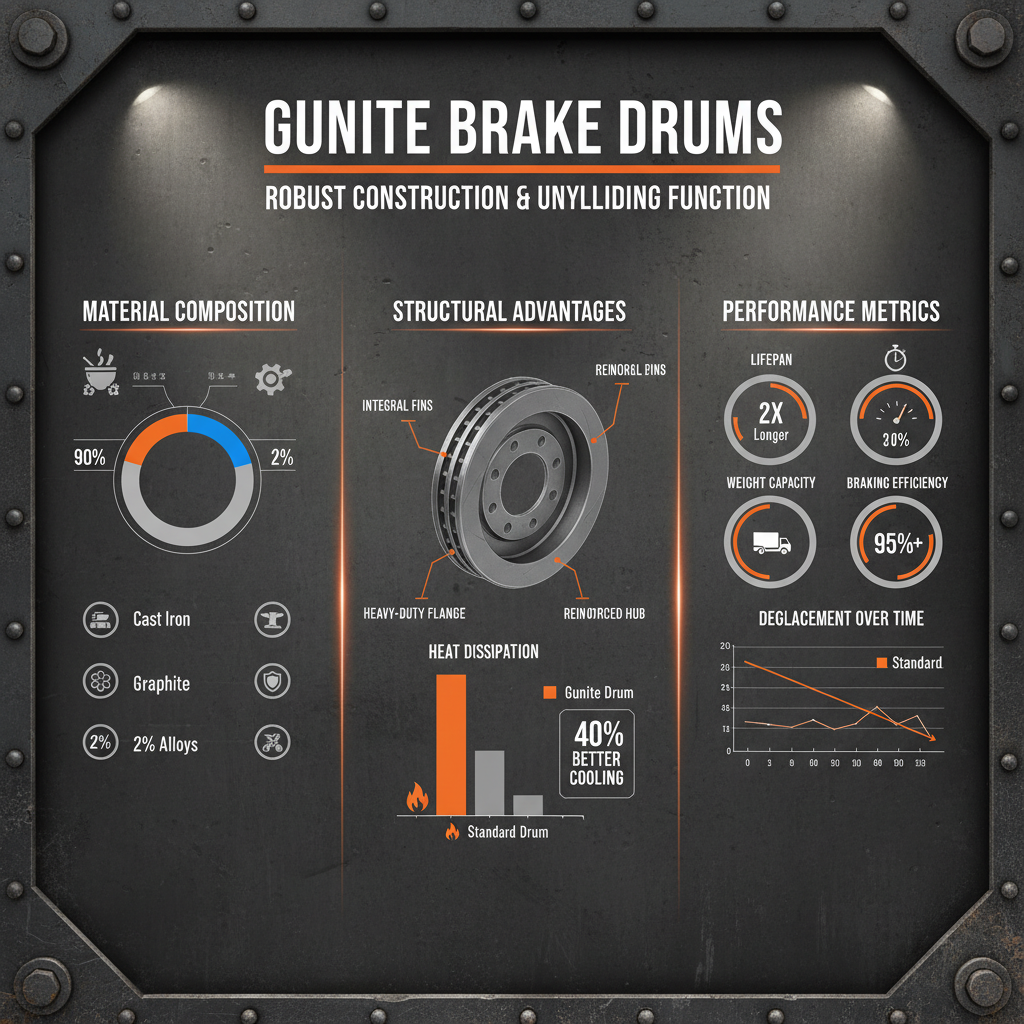
The primary driver of rear brake drums cost is the grade of cast iron used in production. Gray cast iron is the industry standard due to its excellent thermal conductivity and vibration damping properties. However, the purity of the alloy and the inclusion of elements like chromium or nickel can significantly shift the price point.
Higher-grade alloys reduce the risk of thermal cracking and uneven wear, which effectively lowers the long-term rear brake drums cost by extending the replacement interval. In contrast, low-cost materials may lead to "brake fade" or premature warping, forcing more frequent replacements and higher cumulative spending.
Additionally, surface treatments—such as powder coating for corrosion resistance—add a premium to the initial purchase. While this increases the immediate rear brake drums cost, it is a critical investment for vehicles operating in coastal regions or areas where road salt is used during winter.
Manufacturing Processes and Cost Efficiency
Precision casting is the backbone of the industry, but the method chosen—sand casting versus centrifugal casting—directly impacts the rear brake drums cost. Centrifugal casting produces a denser, more uniform structure, which is superior for heavy-duty applications but comes with a higher manufacturing price.
When evaluating rear brake drums cost, one must consider the CNC machining phase. High-precision lathes ensure that the drum is perfectly balanced, reducing vibration and noise. The cost of this precision is often reflected in the price difference between "generic" and "premium" parts.
Automation in the foundry process has allowed manufacturers to lower the baseline rear brake drums cost through reduced labor hours and fewer defects. This shift has made high-quality braking components more accessible to the general consumer without sacrificing safety.
Performance Benchmarks vs Installation Costs
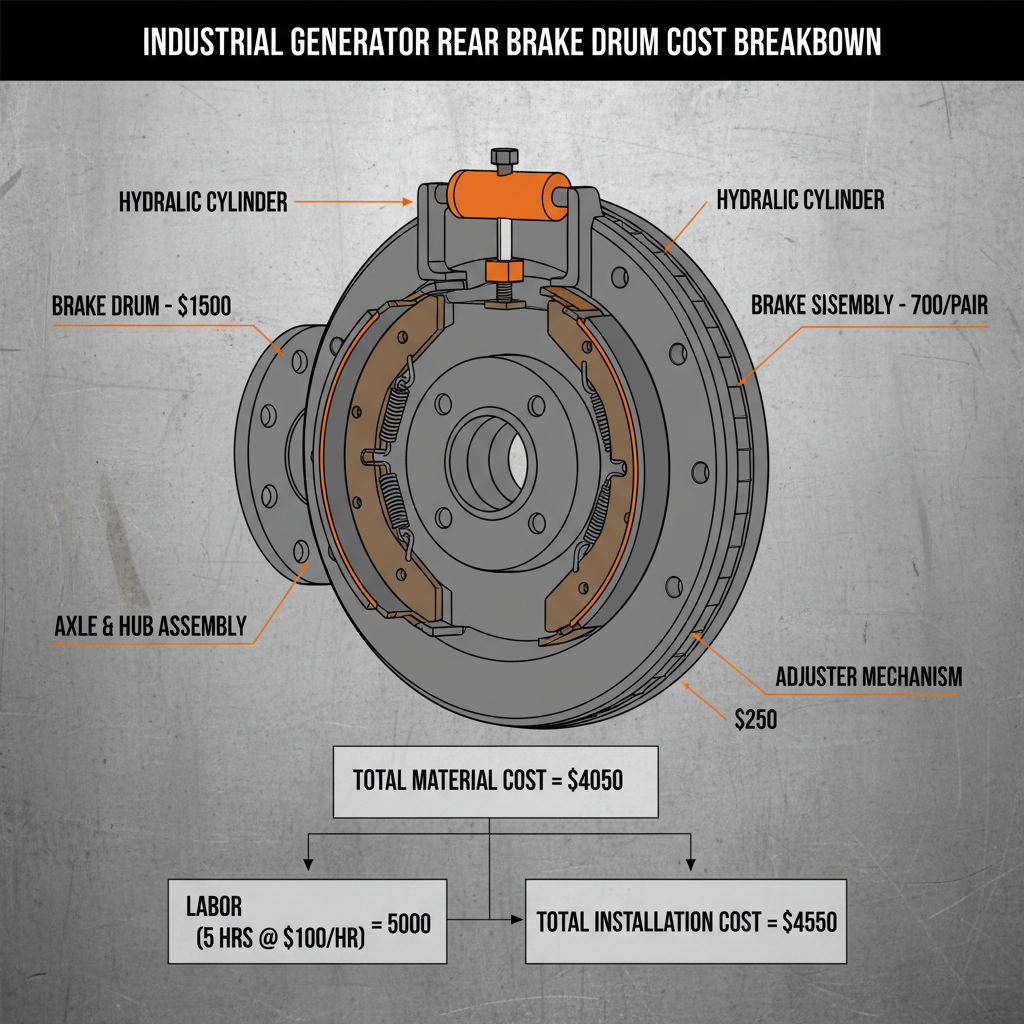
It is a common mistake to look only at the part price when calculating the rear brake drums cost. The total expense must include professional installation, the cost of new brake shoes, and the potential need for hardware kits. A cheap drum that is difficult to install or requires frequent adjustment can end up being more expensive.
Comparing performance benchmarks, such as heat dissipation rates and wear resistance, allows users to see the "value per mile." A drum with a 20% higher rear brake drums cost that lasts 50% longer is the logically superior economic choice.
Comparative Value Analysis of Rear Brake Drums Cost
Regional Variations in Procurement Costs
The rear brake drums cost varies significantly between North American, European, and Asian markets. In regions with high labor costs, such as the US or Germany, the combined part and labor cost is the primary concern. In contrast, Asian markets often see a higher volume of aftermarket options, which drives down the unit cost.
Import duties and shipping logistics also play a role. Sourcing drums directly from high-capacity manufacturers in China can lower the initial rear brake drums cost for wholesalers, though this must be balanced against the cost of rigorous quality inspections upon arrival to ensure safety standards are met.
Long-term Value and Lifecycle Analysis
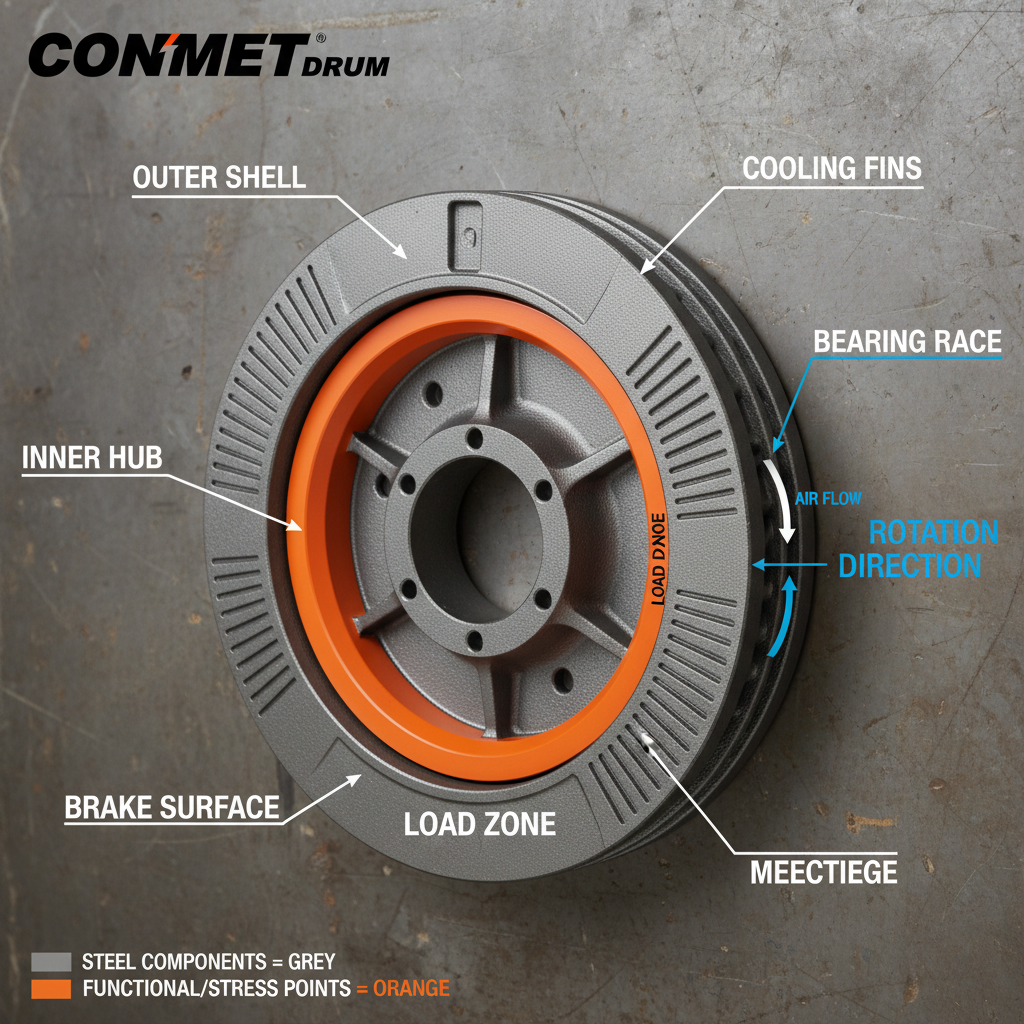
When we discuss rear brake drums cost, we must look at the lifecycle of the part. A drum's life is defined by its ability to withstand thermal cycles without warping. Investing in a slightly more expensive drum with better heat-dissipation fins can prevent the need for premature replacement.
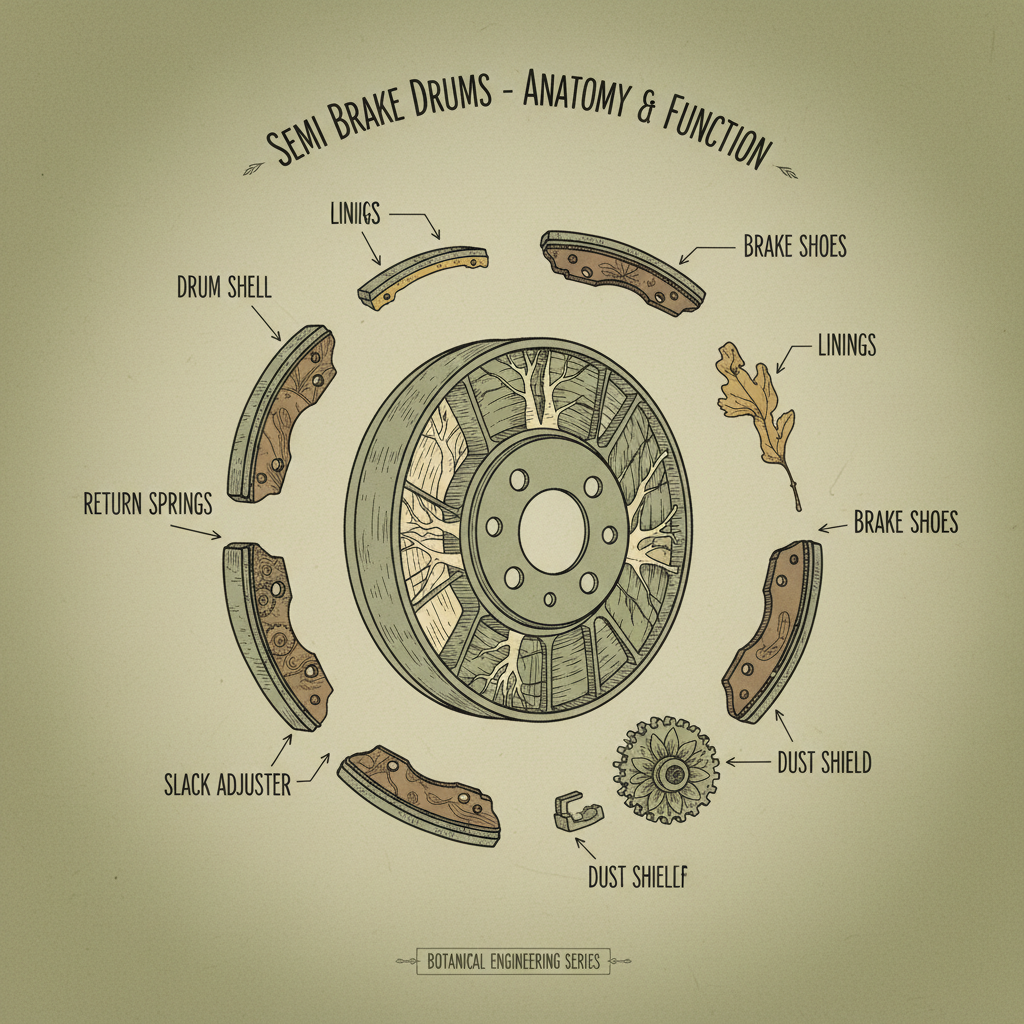
Furthermore, the relationship between the drum and the brake shoe is critical. Using high-quality shoes with a budget drum can lead to uneven wear patterns, which increases the effective rear brake drums cost because the drum will need to be machined or replaced sooner than expected.
Ultimately, the most cost-effective strategy is a "preventative maintenance" approach. Monitoring the thickness of the drum and machining it back to a smooth surface when possible can delay the full rear brake drums cost of a complete replacement, provided the drum remains within safety tolerances.
Future Innovations in Brake Drum Engineering
The future of rear brake drums cost will be shaped by the adoption of composite materials. While traditional cast iron is dominant, ceramic-matrix composites are beginning to enter the high-end market, offering extreme heat resistance and weight reduction, albeit at a significantly higher initial cost.
Digital transformation in manufacturing, such as 3D printing for prototypes and AI-driven quality control, is streamlining the production line. This efficiency is expected to stabilize the rear brake drums cost for standard passenger vehicles while allowing for more customized, high-performance options for specialized fleets.
Sustainability is also becoming a cost factor. The move toward "green foundries" that recycle scrap metal and reduce carbon emissions may introduce new regulatory costs, but these will be offset by the increasing demand for eco-certified automotive parts.
Analysis of Rear Brake Drum Cost Factors by Category
| Drum Grade |
Price Impact |
Durability Score |
Maintenance Cycle |
| Budget Aftermarket |
Low |
4/10 |
Short (15-20k miles) |
| Standard OEM |
Medium |
7/10 |
Average (30-40k miles) |
| High-Carbon Cast |
Medium-High |
8/10 |
Long (45-55k miles) |
| Performance Coated |
High |
9/10 |
Very Long (60k+ miles) |
| Heavy Duty Industrial |
Very High |
10/10 |
Extreme (80k+ miles) |
| Generic Import |
Very Low |
3/10 |
Very Short (10-15k miles) |
FAQS
The variance in cost is primarily due to the grade of cast iron, the precision of the CNC machining, and the quality of the surface treatment. Premium brands invest more in heat-treatment processes to prevent warping and use superior alloys that resist corrosion, which increases the initial price but reduces the frequency of replacement.
Yes, if the drum has uneven wear but is still above the "minimum thickness" safety limit, machining (turning) the drum on a lathe can restore a smooth surface. This is significantly cheaper than buying new parts. However, if the drum is too thin or has cracked, replacement is the only safe option.
For most drivers, the extra cost is worth it if you live in an area with high humidity or snowy roads where salt is used. Coated drums prevent rust buildup on the non-friction surfaces, which makes future maintenance easier and prevents the drum from "seizing" or rusting to the hub.
Dealerships often charge a premium for OEM parts and higher labor rates. To determine if you're overpaying, compare the quoted price with reputable high-quality aftermarket suppliers. If the part price is more than 50% higher without a significant extended warranty, looking for a certified aftermarket alternative may be wiser.
Absolutely. Heavy-duty trucks require thicker walls and higher-grade alloys to handle the increased kinetic energy and heat during braking. This necessitates more raw material and more complex casting processes, which naturally increases the cost compared to drums for small passenger cars.
Lifespan depends on driving habits and part quality. Budget drums may last 20,000 miles, while OEM and premium drums typically last between 40,000 and 70,000 miles. If you are paying for high-end components, you should expect a significantly longer interval between replacements.
Conclusion
Navigating the complexities of rear brake drums cost requires a shift in perspective from "lowest initial price" to "lowest cost per mile." By understanding the interplay between material quality, manufacturing precision, and environmental factors, vehicle owners can make choices that enhance safety while optimizing their long-term maintenance budget.
Looking forward, as automotive technology evolves, we can expect a greater emphasis on sustainable materials and precision-engineered components that further reduce the total cost of ownership. We recommend investing in high-carbon or coated drums for those seeking a balance of longevity and performance. For premium quality components and expert guidance, visit our website: www.ningchaibrakedrum.com.