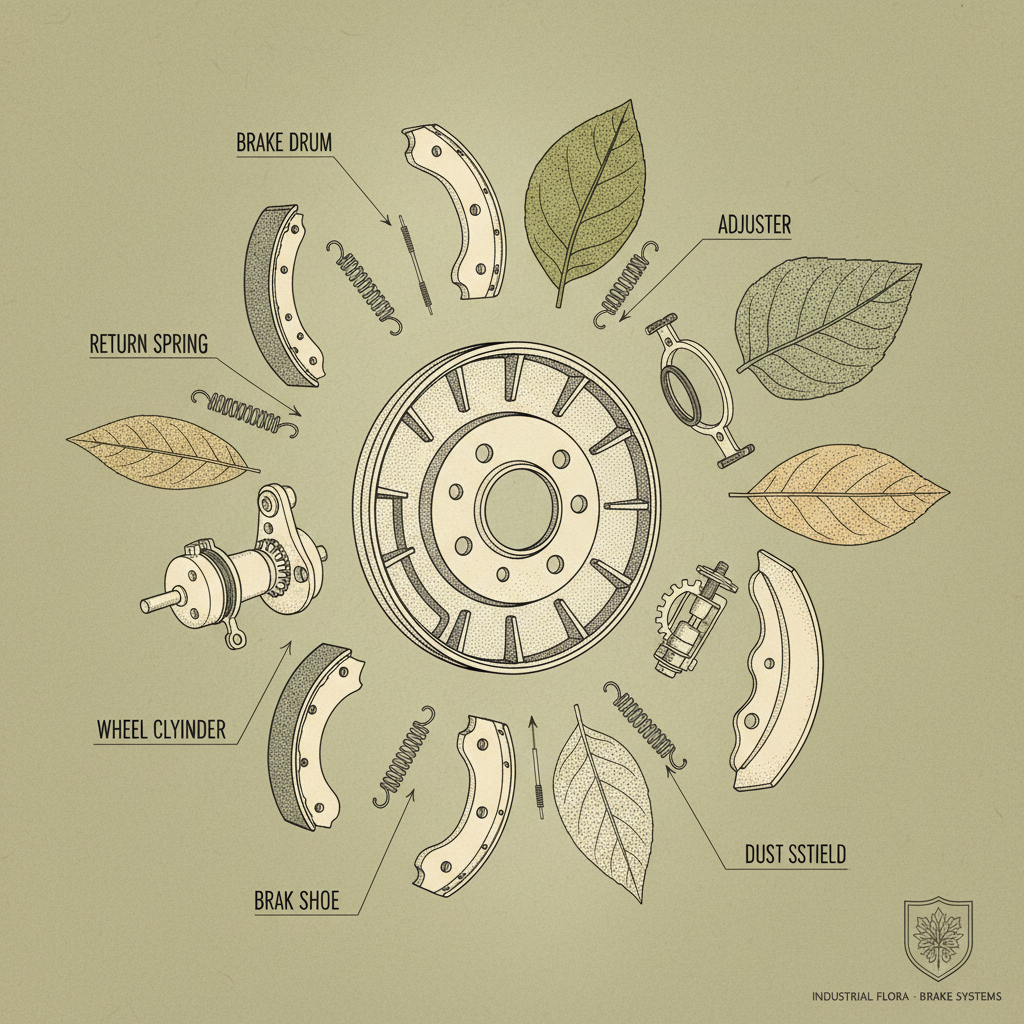
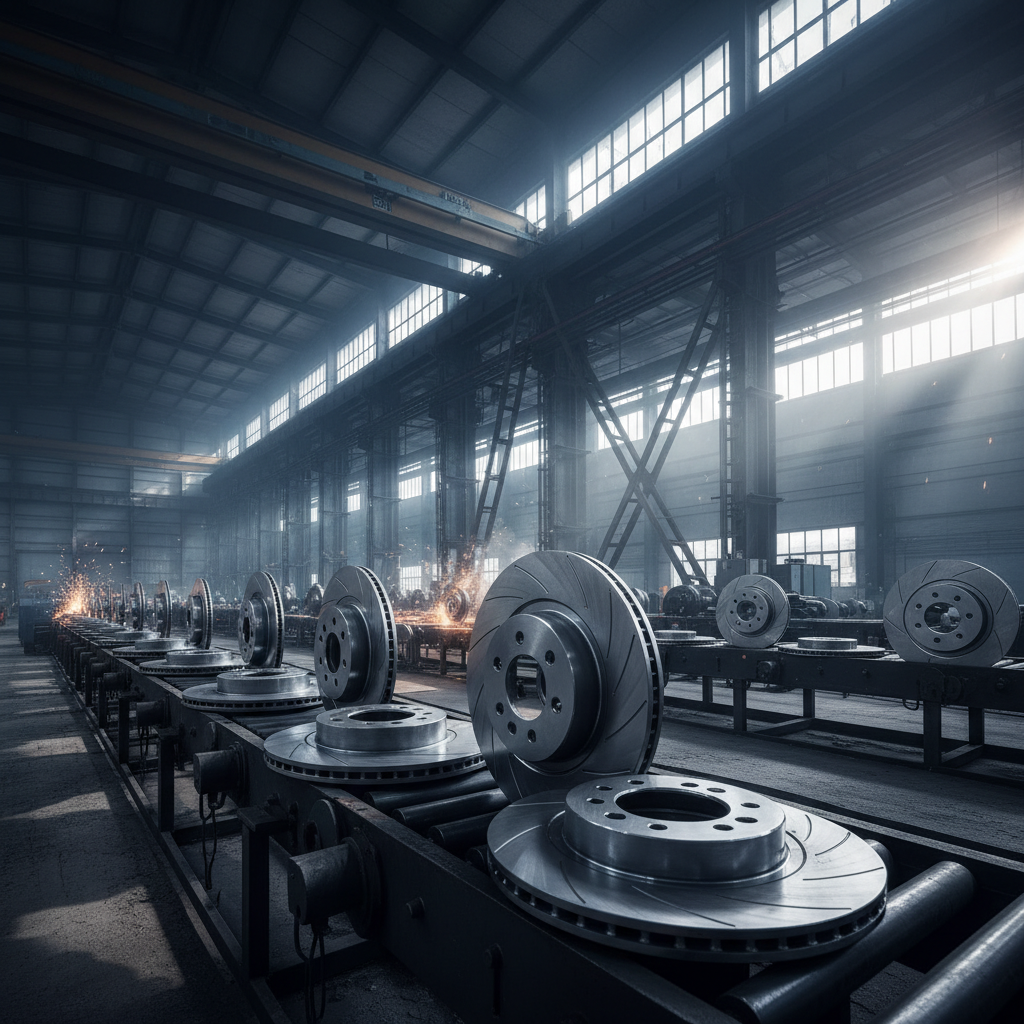
Understanding brake drum cost is crucial for automotive manufacturers, suppliers, and even end consumers. The brake drum, a vital component of vehicle braking systems, directly impacts safety and performance. Fluctuations in its cost can significantly influence vehicle pricing, maintenance expenses, and overall profitability within the automotive industry. Globally, the demand for affordable and reliable braking systems, coupled with increasing vehicle production, drives the importance of optimizing brake drum cost.
The automotive component manufacturing sector, specifically brake drum production, is subject to various economic factors, raw material price volatility, and evolving technological advancements. Effectively managing brake drum cost requires a deep understanding of these dynamics. Ignoring these factors can lead to reduced margins, compromised product quality, and ultimately, loss of market share. Furthermore, regulatory requirements regarding vehicle safety and emissions are consistently driving innovation in braking technologies, necessitating continuous cost optimization.
Ultimately, a comprehensive grasp of brake drum cost empowers stakeholders to make informed decisions, enhance operational efficiency, and deliver safe, reliable, and competitively priced braking solutions to the automotive market.
The Significance of Brake Drum Cost in Automotive Manufacturing
The brake drum cost isn’t merely a component price; it’s a crucial element impacting overall vehicle manufacturing economics. Reductions in this cost can translate directly into more competitive vehicle pricing, increased profit margins for manufacturers, and greater affordability for consumers. Automotive manufacturers constantly seek ways to optimize material selection, production processes, and supply chain logistics to minimize brake drum cost without sacrificing quality or safety.
Moreover, understanding brake drum cost is paramount for supply chain management. Negotiating favorable contracts with suppliers, diversifying sourcing options, and implementing efficient inventory control systems are all vital strategies for controlling these expenses. Fluctuations in raw material prices (like cast iron) and energy costs directly impact the final brake drum cost, requiring continuous monitoring and proactive adjustments.
Defining Brake Drum Cost: A Comprehensive Overview
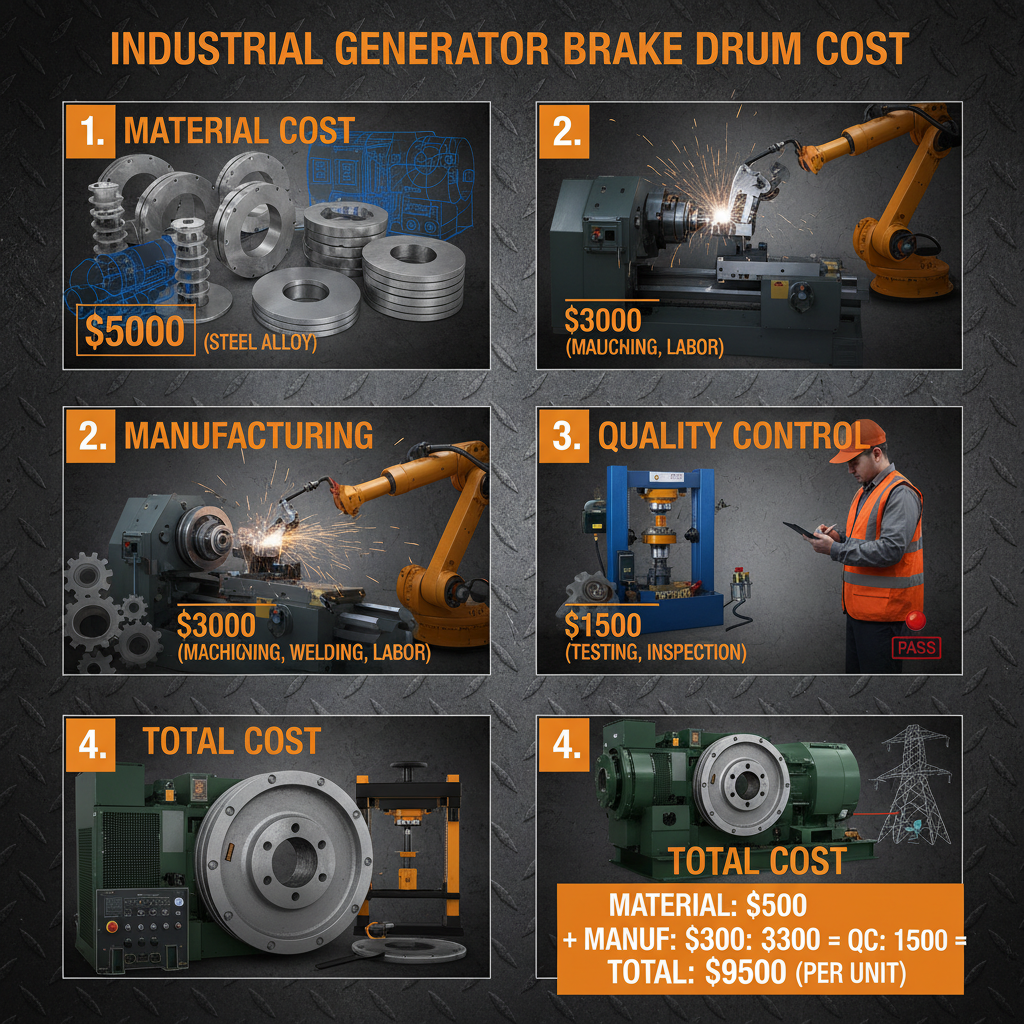
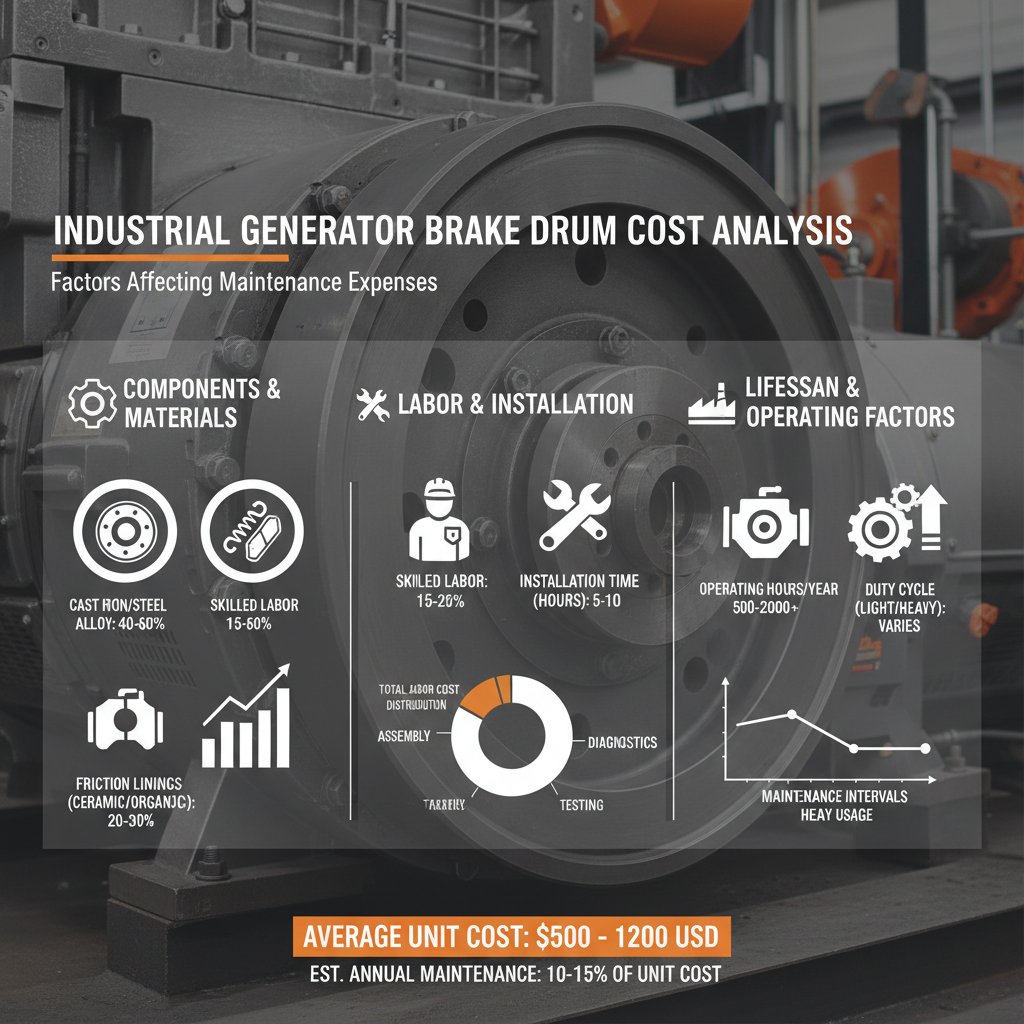
Brake drum cost encompasses all expenses associated with producing and delivering a brake drum to the vehicle assembly line. This includes direct material costs (primarily cast iron, but also potentially steel or composite materials), direct labor costs (machining, finishing, quality control), overhead costs (factory rent, utilities, administrative expenses), and transportation costs. It is a multifaceted metric that requires a detailed breakdown of all contributing factors.
A holistic view of brake drum cost also needs to consider indirect costs, such as tooling amortization, scrap rates, and warranty claims. These less obvious expenses can significantly impact the total cost of ownership. Accurately assessing these costs is critical for manufacturers to identify areas for improvement and implement effective cost-reduction strategies.
In modern industrial contexts, understanding brake drum cost extends beyond simple financial accounting. It informs engineering design choices, material selection processes, and manufacturing process optimization, ensuring both cost-effectiveness and performance reliability within the larger automotive system.
Key Factors Influencing Brake Drum Cost
Several key factors significantly impact brake drum cost. Raw material prices, particularly the cost of cast iron, are a major driver. Global commodity markets and supply chain disruptions can cause significant fluctuations in these prices, directly affecting manufacturing expenses. The complexity of the brake drum design also plays a crucial role; intricate designs require more machining time and specialized tooling, increasing production costs.
Production volume is another vital factor. Economies of scale allow manufacturers to spread fixed costs over a larger number of units, reducing the per-unit brake drum cost. Furthermore, manufacturing location and labor costs can significantly vary. Countries with lower labor costs may offer a competitive advantage, but considerations must be made regarding quality control and logistics.
Finally, technological advancements in manufacturing processes, like automated machining and advanced casting techniques, can lead to increased efficiency and reduced brake drum cost. Investing in these technologies often requires significant upfront capital, but can deliver substantial long-term savings.
Global Applications and Industry Impact of Brake Drum Cost Analysis
The implications of brake drum cost extend across the entire automotive industry and have significant global repercussions. In emerging economies with rapidly growing automotive sectors, such as China and India, cost optimization is particularly critical to make vehicles accessible to a broader consumer base. Manufacturers operating in these markets prioritize reducing brake drum cost to compete effectively.
In developed markets like North America and Europe, where vehicle production costs are already relatively high, managing brake drum cost is essential for maintaining profitability and innovation. Manufacturers often focus on utilizing advanced materials and manufacturing techniques to achieve cost savings while maintaining stringent quality standards.
Comparison of Brake Drum Cost Reduction Methods
Advantages of Optimized Brake Drum Cost Management
Optimized brake drum cost management yields a multitude of benefits for automotive manufacturers. Foremost is increased profitability through reduced production expenses. This allows companies to reinvest in research and development, innovate new technologies, and offer more competitive pricing to consumers.
Effective cost control also enhances a manufacturer's ability to respond to market fluctuations and maintain a sustainable business model. It builds resilience against economic downturns and allows for proactive adaptation to changing consumer demands.
Future Trends and Innovations in Brake Drum Cost Reduction
The future of brake drum cost reduction lies in several emerging trends. The adoption of lightweight materials, such as advanced composites, offers the potential to reduce weight and improve fuel efficiency, while also potentially lowering material costs in the long run. Furthermore, the integration of digital technologies, like artificial intelligence and machine learning, can optimize manufacturing processes and predict potential cost fluctuations.
Additive manufacturing (3D printing) is also poised to play an increasingly important role, enabling the creation of complex brake drum designs with reduced material waste and lower tooling costs. These innovations will require significant investment and collaboration across the automotive supply chain, but promise substantial long-term benefits in terms of brake drum cost reduction and performance enhancement.
Challenges and Solutions in Brake Drum Cost Control
Despite advancements in cost management techniques, several challenges remain in controlling brake drum cost. Volatile raw material prices, geopolitical instability, and supply chain disruptions pose ongoing risks. Maintaining consistent quality standards while reducing costs can also be a delicate balancing act.
To address these challenges, manufacturers should prioritize diversifying their supply chains, investing in long-term contracts with suppliers, and implementing robust risk management strategies. Continuous improvement initiatives, such as Lean Manufacturing and Six Sigma, can help optimize processes and eliminate waste.
Collaboration and information sharing across the automotive supply chain are also crucial for identifying and addressing cost-saving opportunities. Embracing digitalization and leveraging data analytics can provide valuable insights into cost drivers and enable proactive decision-making.
Summary of Key Strategies for Effective Brake Drum Cost Control
| Strategy |
Implementation Focus |
Expected Impact on Cost |
Risk Level |
| Supplier Diversification |
Expanding the supplier base beyond single sources. |
Medium (5-10% cost reduction potential) |
Low |
| Material Substitution |
Exploring alternative materials with lower costs. |
High (10-20% cost reduction potential) |
Medium (potential quality concerns) |
| Process Automation |
Implementing robotic and automated manufacturing processes. |
Medium-High (8-15% cost reduction potential) |
High (significant initial investment) |
| Design Optimization |
Simplifying brake drum designs to reduce material usage and machining time. |
Medium (5-10% cost reduction potential) |
Low-Medium (potential performance trade-offs) |
| Lean Manufacturing |
Eliminating waste and improving efficiency in production processes. |
Low-Medium (3-7% cost reduction potential) |
Low |
| Supply Chain Integration |
Collaborating closely with suppliers to optimize logistics and inventory management. |
Medium (5-10% cost reduction potential) |
Medium (requires trust and data sharing) |
FAQS
Several factors contribute to changes in brake drum cost, including raw material prices (particularly cast iron), energy costs, transportation expenses, labor rates, and global economic conditions. Supply chain disruptions, geopolitical events, and changes in currency exchange rates can also have a significant impact. Understanding these drivers is crucial for proactive cost management.
Effective negotiation with suppliers involves thorough market research, understanding supplier cost structures, and leveraging volume discounts. Establishing long-term contracts with price escalation clauses can provide stability. Building strong relationships based on trust and transparency is also key. Exploring alternative sourcing options and seeking competitive bids can further strengthen negotiating power.
Technology plays a critical role in brake drum cost reduction through automation, advanced materials, and data analytics. Process automation reduces labor costs and improves efficiency. Using lightweight materials lowers weight and can potentially reduce material costs. Data analytics enables better cost tracking, identification of waste, and optimization of manufacturing processes.
Material selection is paramount. While cast iron remains the dominant material, exploring alternatives like advanced composites or specialized steel alloys can offer potential cost savings, albeit with potential performance trade-offs. A careful evaluation of material properties, cost, and manufacturing feasibility is essential. Optimizing material usage through design improvements also contributes to lower costs.
Prioritizing brake drum cost reduction at the expense of quality can have severe consequences. It can lead to decreased braking performance, increased failure rates, and potentially life-threatening safety risks. Compromised quality also damages a manufacturer's reputation and increases warranty claims. A balanced approach that prioritizes both cost and quality is crucial.
Calculating the TCO involves considering not just the initial purchase price, but also factors like installation costs, maintenance expenses, repair costs, and potential downtime. A comprehensive TCO analysis provides a more accurate picture of the long-term economic impact of brake drum cost, enabling informed decision-making.
Conclusion
In conclusion, effectively managing brake drum cost is critical for success in the automotive industry. It’s a complex interplay of raw material prices, manufacturing processes, supply chain dynamics, and technological advancements. By adopting a holistic approach that prioritizes cost optimization without compromising quality or safety, manufacturers can enhance profitability, improve competitiveness, and deliver superior braking solutions.
Looking ahead, embracing innovation, diversifying supply chains, and leveraging data analytics will be key to navigating the evolving landscape of brake drum cost management. Investing in research and development, fostering collaboration across the supply chain, and prioritizing sustainability will position manufacturers for long-term success in this dynamic market. Visit our website at www.ningchaibrakedrum.com to learn more.