Understanding the back brakes replacement cost is crucial for vehicle owners, impacting both safety and long-term vehicle maintenance expenses. Globally, the automotive aftermarket represents a multi-billion dollar industry, with brake service being a consistently high-demand component. Ignoring brake maintenance can lead to accidents, increased repair costs, and decreased vehicle lifespan, impacting individuals, insurance companies, and automotive manufacturers alike. Proactive brake maintenance, understanding associated costs, and choosing quality components are essential for responsible vehicle ownership.
The back brakes replacement cost is a complex calculation influenced by numerous factors, ranging from vehicle type and brake component quality to geographic location and labor rates. The automotive industry’s increasing focus on safety regulations and advanced braking systems has also contributed to fluctuations in these costs. Effective budgeting for brake repairs and replacements requires a clear understanding of these variables.
Ultimately, managing back brakes replacement cost efficiently isn't just about minimizing expenses; it's about maximizing vehicle safety, extending its lifespan, and ensuring a reliable transportation experience. This understanding empowers drivers to make informed decisions about their vehicle maintenance.
The Importance of Back Brakes Replacement Cost
The back brakes replacement cost isn't just a figure; it's a critical component of vehicle safety and a significant factor in long-term ownership costs. Ignoring brake maintenance can lead to drastically increased costs down the road, including damage to rotors, calipers, and even the braking system's hydraulic lines. Understanding this cost allows drivers to budget appropriately and proactively address potential issues.
Furthermore, neglecting brake maintenance directly impacts driving safety. Worn brakes reduce stopping power, increasing the risk of accidents and potentially endangering the driver, passengers, and other road users. Prioritizing regular inspections and timely replacements is an investment in safety and peace of mind.
Defining Back Brakes Replacement Cost
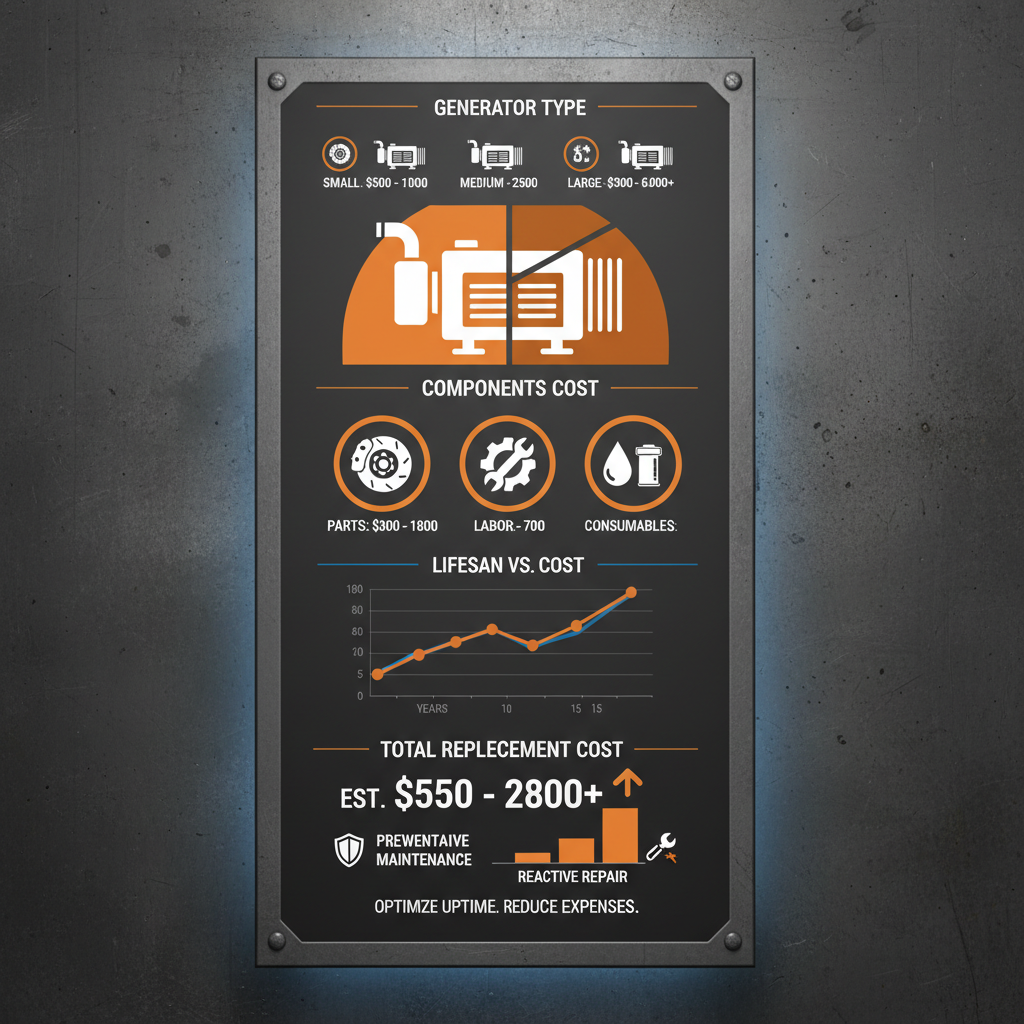
The back brakes replacement cost encompasses more than just the price of new brake pads. It includes the cost of brake rotors (which are often resurfaced or replaced along with the pads), calipers (which may need repair or replacement), brake lines, and labor charges for a qualified mechanic. Some repairs might also require additional components like new hardware, clips, or even sensors.
A complete back brake replacement can range from a basic pad replacement to a full system overhaul. The complexity of the repair, coupled with the vehicle's make and model, significantly influences the overall cost. It’s also important to consider the type of brake pads used – organic, semi-metallic, or ceramic – as each carries a different price point and performance characteristic.
The concept of back brakes replacement cost also needs to factor in preventative maintenance. Regularly checking brake fluid levels and ensuring the braking system is free from leaks can prevent larger, more costly repairs in the future.
Key Factors Influencing Back Brakes Replacement Cost
Several key factors determine the back brakes replacement cost. These include the vehicle's make and model, as luxury vehicles and those with advanced braking systems often require more expensive components. The type of brake pads and rotors chosen also plays a significant role; high-performance or ceramic brake pads generally cost more than standard organic pads.
Labor costs are another significant contributor. Rates vary considerably depending on the mechanic's experience, geographic location, and whether the repair is performed at a dealership or an independent shop. The extent of the damage – whether it's a simple pad replacement or a full system overhaul – directly impacts the labor time and, consequently, the overall cost.
Finally, the condition of the braking system itself influences the back brakes replacement cost. If other components, such as calipers or brake lines, are damaged or corroded, they will need to be repaired or replaced, adding to the total expense.
Geographical Variations in Back Brakes Replacement Cost
The back brakes replacement cost can vary significantly depending on the geographical location. Major metropolitan areas generally have higher labor rates and parts costs compared to rural areas. State and local taxes also contribute to these price differences.
Furthermore, the availability of automotive parts and qualified mechanics varies across different regions. Areas with limited access to specialized parts may experience higher costs due to increased shipping and handling fees. The competitive landscape of the automotive repair industry in a specific location also plays a role in price determination.
Average Back Brakes Replacement Cost by Method
Benefits of Timely Back Brake Replacement
Timely back brake replacement offers substantial benefits that extend far beyond simply avoiding repair bills. Maintaining optimal braking performance directly enhances vehicle safety, reducing stopping distances and minimizing the risk of accidents. This is particularly critical in emergency situations and adverse weather conditions.
Furthermore, regularly replacing brake components prevents damage to other parts of the braking system, such as rotors and calipers, ultimately saving money in the long run. Properly functioning brakes also contribute to a smoother and more comfortable driving experience.
Future Trends in Brake Technology and Cost
The automotive industry is constantly evolving, and brake technology is no exception. Emerging trends, such as electric vehicle (EV) regenerative braking systems, are reshaping the landscape of brake maintenance. Regenerative braking reduces wear and tear on traditional brakes, potentially lowering long-term back brakes replacement cost for EV owners.
Advancements in materials science are also leading to the development of more durable and high-performance brake pads and rotors. These innovations may initially come with a higher price tag but can offer extended lifespan and improved braking performance, potentially reducing overall costs over time.
The integration of smart sensors and predictive maintenance systems is also on the horizon, allowing vehicle owners to monitor brake wear in real-time and schedule replacements proactively, further optimizing brake maintenance and cost.
Challenges and Solutions Regarding Back Brakes Replacement Cost
A significant challenge regarding back brakes replacement cost is the lack of price transparency in the automotive repair industry. Customers often struggle to obtain clear and accurate estimates, making it difficult to compare prices and make informed decisions.
Another challenge is identifying the true extent of brake repairs needed. Some mechanics may recommend unnecessary services to inflate the bill. Educating oneself about brake systems and seeking multiple quotes from reputable shops can help mitigate this risk.
Utilizing online resources and comparison tools can empower consumers to find the best deals and understand the fair market value for back brake replacement services in their area. Proactive maintenance and regular brake inspections are also crucial for identifying potential issues early on and preventing costly repairs down the road.
Table summarizing key challenges and solutions related to Back Brakes Replacement Cost
| Challenge |
Impact on Cost |
Solution |
Cost Savings Potential |
| Lack of Price Transparency |
Overpaying for services |
Obtain multiple quotes, use online comparison tools |
10-20% |
| Unnecessary Repairs |
Inflated bills |
Second opinion from trusted mechanic |
15-30% |
| Using Low-Quality Parts |
Frequent replacements |
Choose reputable brands, OEM parts |
5-15% (long-term) |
| Ignoring Preventative Maintenance |
Major system damage |
Regular brake inspections and fluid changes |
20-40% (preventing catastrophic failure) |
| Geographic Location |
Higher labor rates |
Research local mechanic pricing |
5-10% |
| Lack of Understanding of Braking System |
Vulnerability to upselling |
Educate yourself on basic brake components |
10-25% |
FAQS
The average back brakes replacement cost for a Honda Civic typically ranges from $250 to $500. This estimate includes parts (brake pads, potentially rotors) and labor. The actual cost depends on the quality of the parts used, the location of the repair shop, and whether any additional components, like calipers or brake lines, require replacement.
It's recommended to have your back brakes inspected at least once a year, or every 12,000 miles. During an inspection, a mechanic will assess the thickness of the brake pads, the condition of the rotors, and the overall health of the braking system. Early detection of wear and tear can prevent more costly repairs down the road.
Replacing your back brakes yourself can save money on labor costs, but it requires mechanical experience, the right tools, and a thorough understanding of the braking system. If you're not comfortable performing this task, it's best to leave it to a qualified mechanic to ensure safety and proper functionality.
Common signs include squealing or grinding noises when braking, a spongy or soft brake pedal, longer stopping distances, and a brake warning light illuminating on the dashboard. If you experience any of these symptoms, it's crucial to have your brakes inspected immediately.
Yes, the type of brake pad significantly impacts the cost. Organic pads are typically the least expensive, but they wear out faster. Semi-metallic pads offer a good balance of performance and cost, while ceramic pads are the most expensive but provide superior stopping power and longevity.
Not necessarily. If your rotors are still within the manufacturer's specifications for thickness and don't have significant damage, they can often be resurfaced instead of replaced. However, if the rotors are severely worn or damaged, replacement is recommended to ensure optimal braking performance.
Conclusion
In conclusion, understanding the back brakes replacement cost is vital for responsible vehicle ownership. Factors like vehicle type, component quality, geographic location, and preventative maintenance all play a role in determining the overall expense. Proactive inspections, informed decision-making, and prioritizing safety are key to maximizing braking performance and minimizing long-term costs.
Looking ahead, advancements in brake technology and the growing emphasis on vehicle safety will continue to shape the landscape of brake maintenance. Staying informed about these trends and utilizing available resources to obtain accurate cost estimates will empower drivers to make the best choices for their vehicles and their safety. Visit our website at www.ningchaibrakedrum.com to learn more about our brake drum solutions.