Understanding the new rear brakes cost is a critical aspect of vehicle maintenance that directly impacts both driver safety and long-term financial planning. Whether you are managing a personal vehicle or a commercial fleet, knowing how the pricing of rear braking systems is structured helps in avoiding overpriced repairs and ensuring the highest quality components are installed.
From a global industrial perspective, the cost of rear brakes is influenced by material science, manufacturing efficiency, and the shift toward hybrid and electric vehicles. As braking requirements evolve, the intersection of affordability and performance becomes a primary concern for consumers and automotive technicians alike.
Ultimately, analyzing the new rear brakes cost allows owners to make informed decisions between different brake types, such as drum versus disc, and determines the ideal replacement cycle to maintain optimal stopping power without overspending on unnecessary premature replacements.
Global Market Trends Affecting New Rear Brakes Cost
The global automotive landscape is currently witnessing a significant shift in how the new rear brakes cost is calculated. With the rise of raw material price volatility, particularly in cast iron and specialty alloys used for brake drums, manufacturers are optimizing their supply chains to keep costs stable for the end consumer. ISO standards for safety and durability now mandate stricter quality controls, which inherently adds a baseline cost but reduces the frequency of replacement.
Furthermore, the integration of regenerative braking in electric vehicles (EVs) has fundamentally changed the wear patterns of rear brakes. While traditional internal combustion engines rely heavily on friction, EVs use the motor to slow down, potentially lowering the long-term new rear brakes cost by extending the lifespan of the drums and pads, although the initial high-tech components may carry a premium price tag.
Defining New Rear Brakes Cost in Modern Auto Care
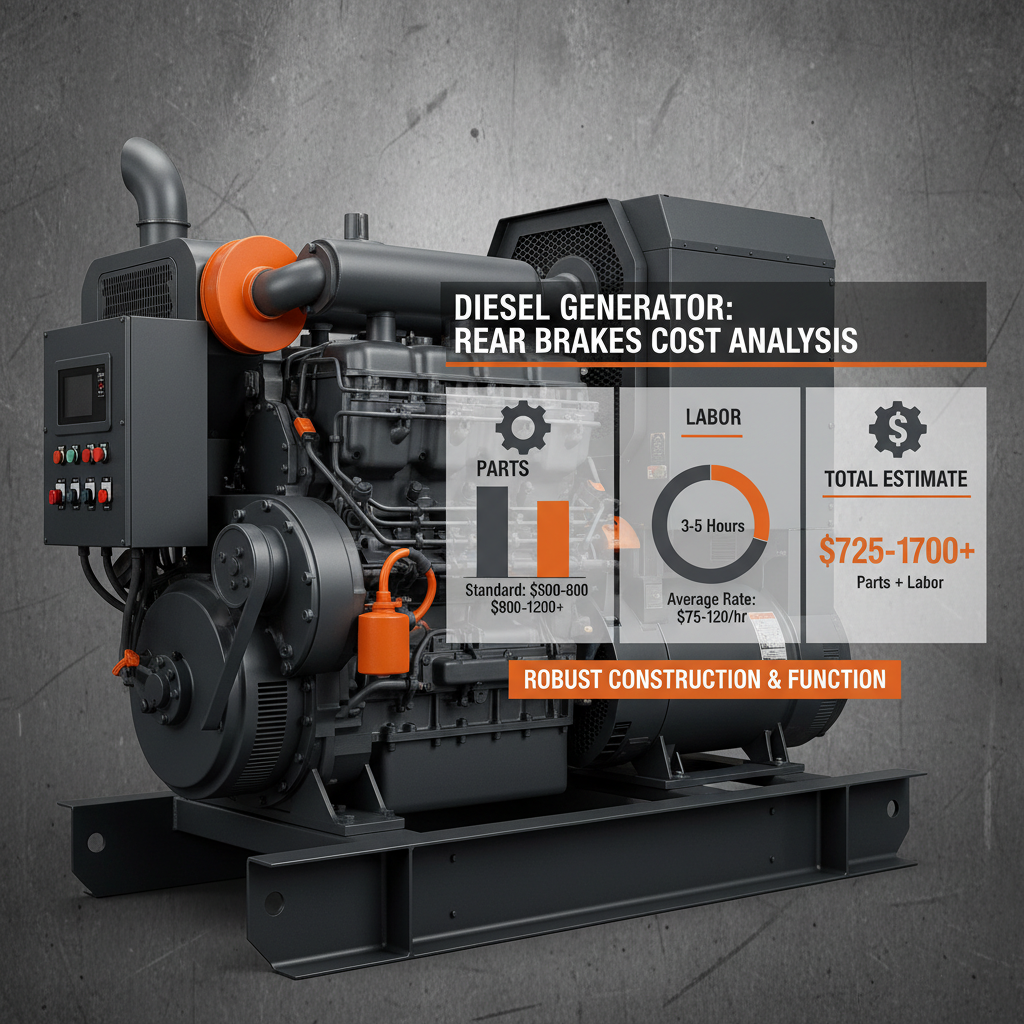
When we discuss the new rear brakes cost, we are referring to the total expenditure required to return a vehicle's rear stopping system to original equipment manufacturer (OEM) specifications. This is not merely the price of the hardware—such as the brake drums or pads—but a comprehensive sum that includes labor, machining, and ancillary hardware like springs and wheel cylinders.
In the context of modern industry, this cost represents a balance between safety and economy. For many fleet operators, managing the new rear brakes cost is a logistical challenge, as they must weigh the benefits of premium, long-lasting materials against the immediate budgetary constraints of routine maintenance.
From a humanitarian and safety perspective, an affordable yet reliable new rear brakes cost ensures that older vehicles in developing regions can remain roadworthy. By standardizing brake drum production, the industry can lower prices without compromising the integrity of the braking system, thereby reducing road accidents globally.
Core Components Influencing Rear Braking Expenses
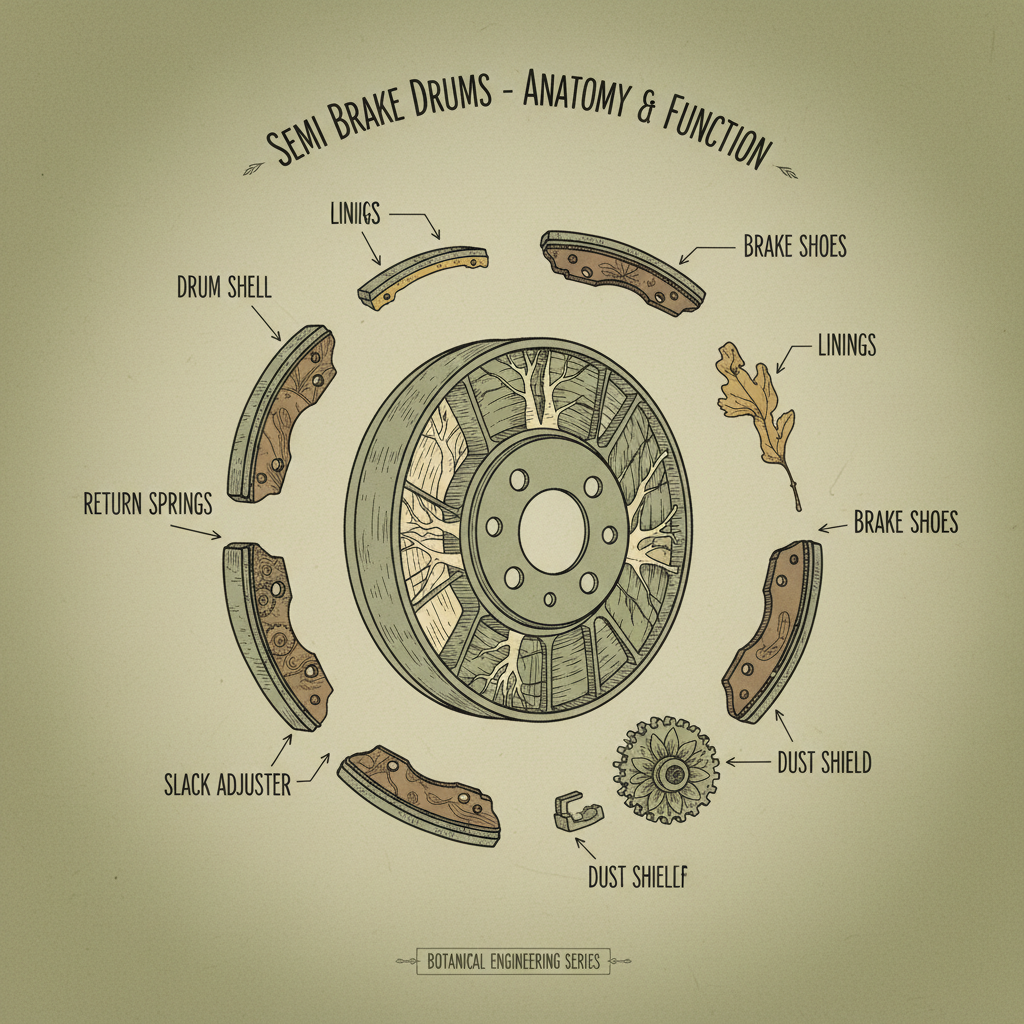
The first major factor in the new rear brakes cost is material composition. High-carbon cast iron is often used in premium brake drums to improve thermal conductivity and reduce noise, which naturally increases the price compared to standard gray iron components.
Another critical element is the manufacturing precision. Components that are machined to tighter tolerances reduce vibration and "brake judder," providing a smoother ride. This precision engineering is a significant driver of the new rear brakes cost, as it requires more advanced CNC technology and quality assurance checks.
Finally, scalability and brand positioning play a role. OEM parts often carry a brand premium, whereas high-quality aftermarket brake drums offer a more competitive new rear brakes cost while maintaining the same technical specifications, providing an attractive alternative for budget-conscious consumers.
Comparative Analysis of Rear Brake Cost Efficiency
Evaluating the new rear brakes cost requires a look at the "cost per mile" rather than just the initial purchase price. A cheaper set of rear brakes may have a lower entry cost but might wear out twice as fast, leading to higher labor costs over the life of the vehicle.
Conversely, investing in high-grade brake drums can significantly lower the total cost of ownership. By analyzing the durability and heat dissipation of different materials, we can determine which pricing tier offers the best return on investment for different driving conditions, such as city commuting versus heavy-duty hauling.
Rear Brake Component Value Analysis
Global Applications of High-Value Braking Systems
In heavy industrial zones and remote mining areas, the new rear brakes cost is often secondary to the requirement for extreme durability. In these contexts, brake drums are subjected to immense loads and abrasive dust, necessitating the use of reinforced materials that can withstand harsh environments without frequent failure.
Similarly, in urban logistics hubs across Europe and Asia, fleet managers optimize the new rear brakes cost by implementing predictive maintenance schedules. By using sensors to monitor wear, they replace components just before failure, maximizing the utility of each part and reducing the overall operational cost per vehicle.
Long-Term Value and Safety ROI
The true value of investing in a quality rear braking system extends beyond the immediate new rear brakes cost; it is an investment in safety and peace of mind. A high-quality brake drum ensures consistent friction and prevents overheating during emergency stops, which is a non-negotiable requirement for passenger safety.
From a logical perspective, spending slightly more upfront on premium components reduces the likelihood of catastrophic failure. This reliability translates to lower insurance risks and higher resale value for the vehicle, as a well-maintained braking system is a key indicator of overall vehicle health.
Emotionally, the trust a driver has in their vehicle's ability to stop is invaluable. When the new rear brakes cost is viewed as a safety premium rather than a chore, it changes the consumer's approach from "finding the cheapest option" to "finding the most reliable solution."
Future Innovations in Brake Material Pricing
The future of the new rear brakes cost will be shaped by the adoption of composite materials and ceramic-infused alloys. These materials offer superior heat resistance and weight reduction, which can improve fuel efficiency and reduce wear, although they currently command a higher initial price point.
Digital transformation is also playing a role. With the advent of "smart brakes," components may soon include embedded sensors that communicate directly with the vehicle's ECU. While this may increase the initial new rear brakes cost, it will virtually eliminate the guesswork involved in maintenance, preventing both premature and delayed replacements.
Sustainability is the final frontier. We are seeing a move toward "green" casting processes that reduce the carbon footprint of brake drum production. As environmental policies tighten globally, the cost of traditional manufacturing may rise, making eco-friendly, recycled-alloy brakes a more cost-effective and ethical choice.
Analysis of Brake Material Costs and Performance Lifespans
| Material Type |
Relative Initial Cost |
Durability Rating (1-10) |
Maintenance Frequency |
| Standard Gray Iron |
Low |
5 |
High |
| High-Carbon Steel |
Medium |
7 |
Moderate |
| Ceramic Composite |
High |
9 |
Low |
| Alloy Steel Blend |
Medium-High |
8 |
Moderate |
| Coated Performance Iron |
Medium |
6 |
Moderate |
| Industrial Reinforced |
High |
10 |
Very Low |
FAQS
Variation typically stems from the brand of parts used (OEM vs. aftermarket) and the shop's labor rates. Some facilities include the cost of resurfacing the drums, while others replace them entirely. Additionally, certified dealerships often have higher overhead costs, which are reflected in the final price.
While replacing only the pads is cheaper, it is only advisable if the brake drums are still within the manufacturer's thickness specifications. If the drums are worn or scored, new pads will wear out prematurely and performance will be compromised, potentially increasing your long-term costs.
Depending on driving habits and vehicle load, rear brakes typically last between 30,000 to 70,000 miles. However, if you frequently haul heavy loads or drive in mountainous terrain, you should inspect them every 15,000 miles to avoid emergency repair costs.
Yes, in most cases. Premium drums offer better heat dissipation and are less prone to warping. This means you will experience less noise and a longer interval between replacements, making the higher initial new rear brakes cost a smarter financial move over time.
EVs often use regenerative braking, which significantly reduces friction wear. While the specialized parts may cost more initially, the frequency of replacement is much lower, resulting in a lower total cost of ownership for the braking system over the vehicle's life.
Hidden costs often include the replacement of hardware kits (springs and pins), brake fluid flushes, and taxes. Always ask for an itemized quote to ensure that the quoted new rear brakes cost covers all necessary components for a safe installation.
Conclusion
Navigating the complexities of the new rear brakes cost requires a holistic understanding of material quality, labor variables, and the long-term implications of safety. By shifting the focus from the lowest immediate price to the highest total value, vehicle owners can ensure that their braking systems remain reliable and efficient, ultimately protecting both their passengers and their wallets.
As the automotive industry moves toward smarter, more sustainable materials and regenerative technologies, the way we evaluate braking expenses will continue to evolve. We recommend regular inspections and the use of high-quality aftermarket components to balance performance with affordability. For professional-grade components and expert guidance on reducing your maintenance spend, visit our website: www.ningchaibrakedrum.com.