

სიახლეები
-
 Experiencing drum brakes locking up on one side can be a serious safety concern and significantly impact vehicle performance. This issue often stems from a variety of factors related to the brake system’s mechanics, hydraulic pressure, or component wear. This article will delve into the common causes of this problem, provide diagnostic tips, and offer potential solutions, helping you maintain a safe and reliable braking system. Understanding the root cause is key to effectively resolving this issue and preventing future occurrences. We’ll also explore how choosing high-quality brake components, like those available at Ningchai Brake Drum, can contribute to long-term brake system health. Several issues can lead to drum brakes locking up on one side. The most frequent culprits include a malfunctioning wheel cylinder, a collapsed brake hose, or a severely worn or damaged brake shoe. A sticking brake shoe, often caused by rust or debris, can also contribute to the problem.Წაიკითხე მეტი
 -
 Experiencing drum brakes locking up is a common, and often concerning, issue for vehicle owners and mechanics. This problem can range from a minor inconvenience to a serious safety hazard. This article will delve into the causes of this issue, how to diagnose it, potential solutions, and preventative measures. We’ll explore the intricacies of drum brake systems and provide clear guidance for troubleshooting. Knowing the underlying reasons for brake lockup can help you address the problem effectively and ensure your vehicle’s safety. Several factors can contribute to drum brakes locking up. One of the most frequent culprits is a swollen brake hose. As brake hoses age, the internal lining can deteriorate, causing them to expand under pressure. This expansion restricts fluid flow, leading to constant pressure on the brake and eventual lockup. Another common cause is a malfunctioning wheel cylinder. If the wheel cylinder pistons seize, they can’t retract, keeping the brake shoes pressed against the drum.Წაიკითხე მეტი
 -
 Finding your drum brakes locked up after a period of inactivity is a common issue, but it can be a significant safety concern. This article will delve into the common causes of this problem, preventative measures you can take, and effective solutions to get your brakes functioning smoothly again. Understanding why this happens, particularly with vehicle or machinery storage, is crucial for maintaining optimal performance and preventing costly repairs. We'll explore factors like rust, corrosion, and environmental conditions that contribute to brake lock-up. The primary culprit behind locked-up drum brakes after a period of sitting is usually rust and corrosion. When a vehicle or machinery sits unused, moisture can accumulate on the brake surfaces – the drums, shoes, and wheel cylinders. This moisture leads to the formation of rust, which can seize the moving parts within the braking system. This is especially true in humid environments or if the vehicle has been exposed to road salt. Additionally, brake fluid can absorb moisture over time, accelerating the corrosion process.Წაიკითხე მეტი
 -
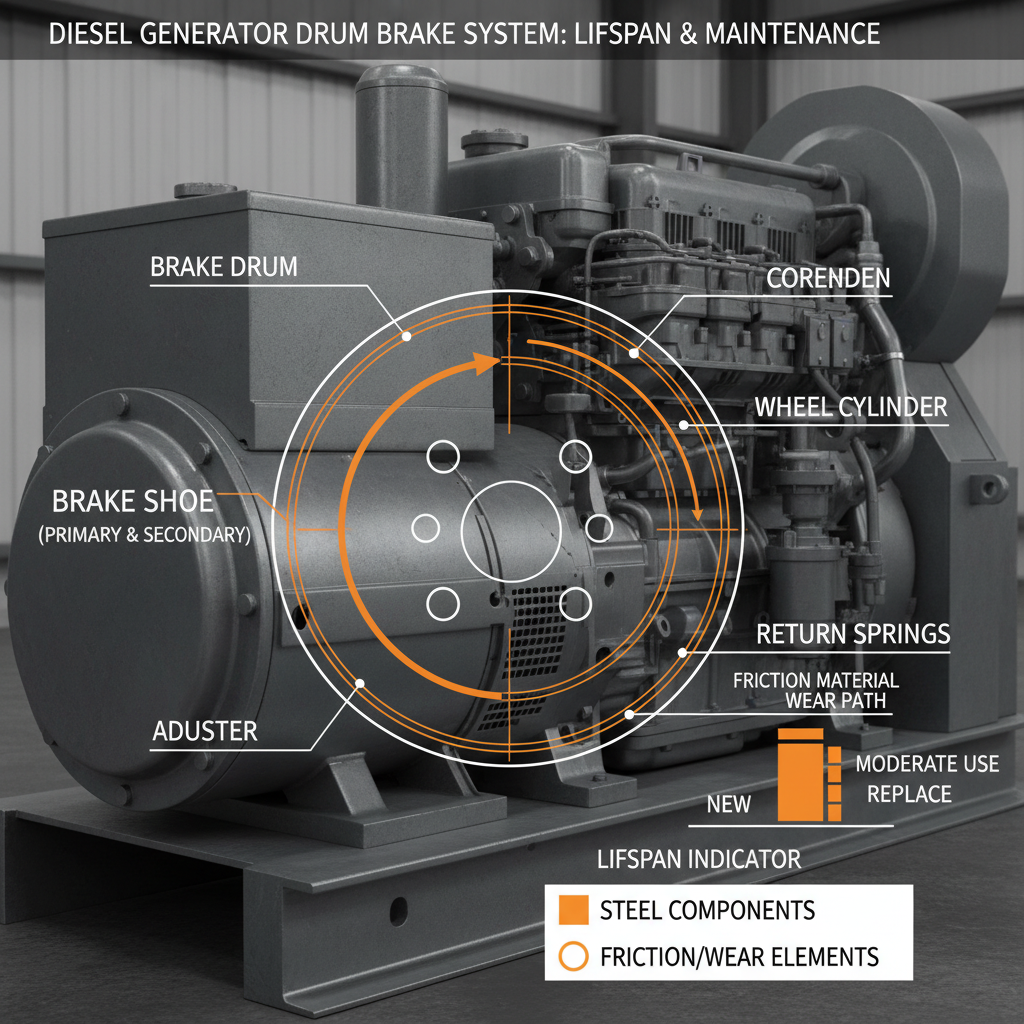 Knowing the drum brakes lifespan is crucial for vehicle safety and maintenance. Drum brakes, while older technology, remain prevalent in many vehicles, particularly in rear axle applications. This article will delve into the factors influencing drum brake longevity, common signs of wear, and best practices for maximizing their performance. Understanding these aspects will help you ensure a safe and efficient braking system. Several factors contribute to how long your drum brakes will last. Driving habits play a significant role – aggressive braking and frequent stops dramatically reduce lifespan. The environment also matters; exposure to salt, snow, and harsh road conditions accelerates wear and corrosion. The quality of the brake components themselves is paramount.Წაიკითხე მეტი
 -
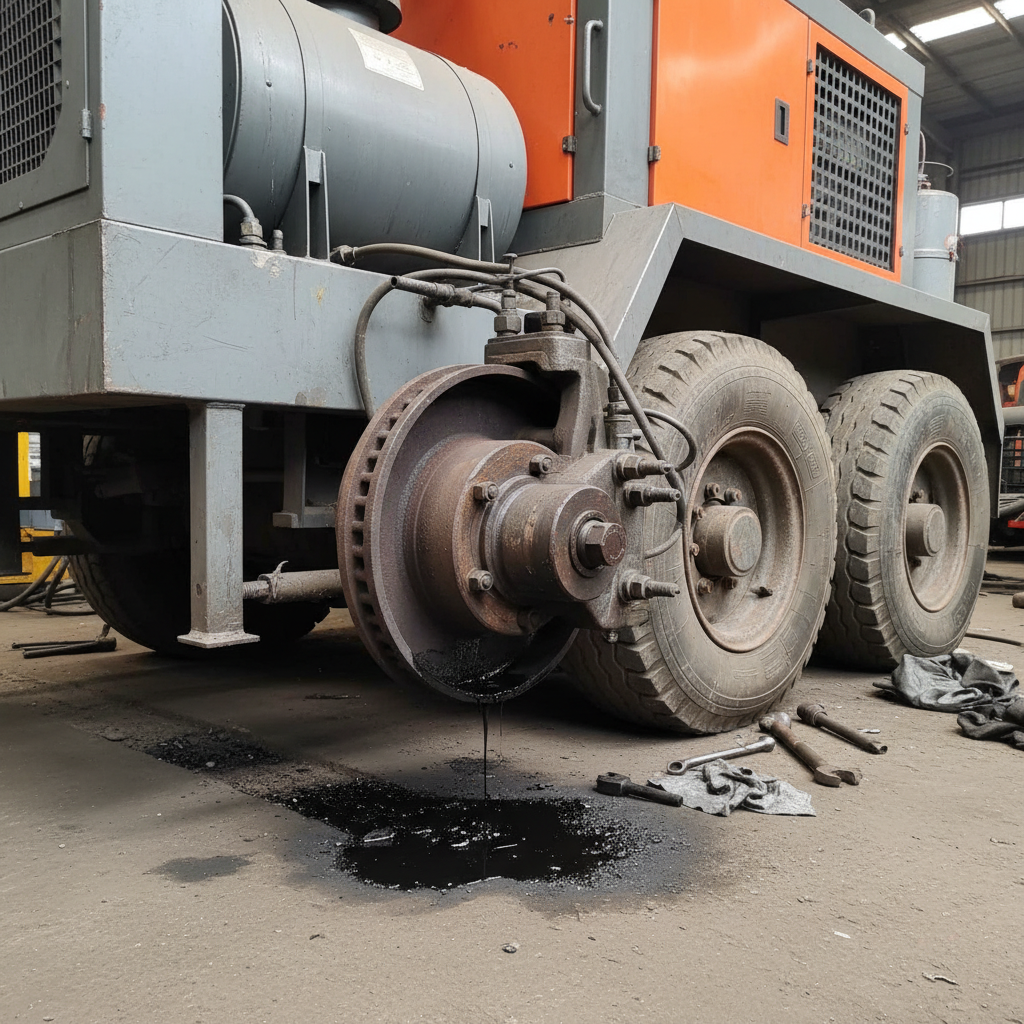 Experiencing drum brakes leaking fluid can be a serious safety concern. This issue indicates a problem within the braking system that needs immediate attention. This article will explore the common causes of fluid leaks in drum brakes, how to identify them, and potential solutions. We’ll also touch on preventative maintenance to help avoid future problems. Ignoring a leak can lead to reduced braking performance, potentially causing accidents. Understanding the issue and knowing when to seek professional help from a qualified mechanic is crucial for ensuring your vehicle's safety. Several factors can contribute to drum brake fluid leaks. Worn or damaged wheel cylinders are a primary culprit, as these components are responsible for pushing the brake shoes against the drum. Corrosion, particularly in areas exposed to road salt and moisture, can weaken the cylinder walls, leading to leaks. Another common cause is deteriorated brake hoses – these flexible lines carry brake fluid to the wheel cylinders and can crack or rupture over time. Finally, a loose or damaged brake line fitting can also cause fluid to escape. Ignoring these issues can result in a complete brake failure, so prompt diagnosis and repair are essential.Წაიკითხე მეტი
 -
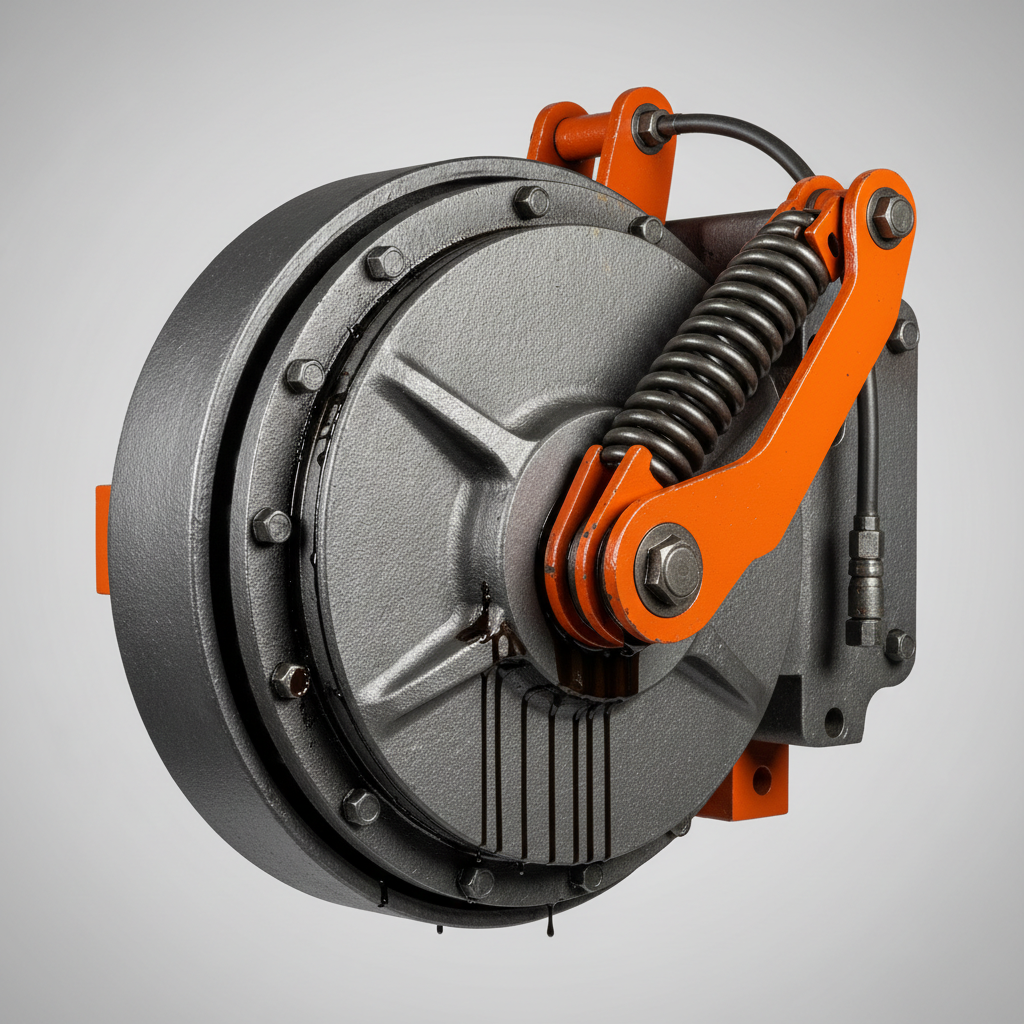 Leaking drum brakes are a common automotive issue that can significantly compromise your vehicle's stopping power and overall safety. A leak in your drum brake system usually indicates a problem with the wheel cylinders, brake lines, or even the drum itself. Ignoring this issue can lead to reduced braking efficiency, longer stopping distances, and potentially, a complete brake failure. At Ningchai Brake Drum, we specialize in high-quality brake components, including durable drum brakes designed to prevent leaks and ensure reliable performance. This article will explore the causes, symptoms, and solutions for drum brakes leaking, empowering you to address this issue effectively. Several factors can contribute to drum brakes leaking. The most frequent culprits include worn or damaged wheel cylinders, corroded brake lines, and deteriorated rubber seals within the braking system. Wheel cylinders contain pistons that push the brake shoes against the drum. Over time, these cylinders can develop internal leaks due to wear and tear. Brake lines, especially in older vehicles, can rust and corrode, leading to pinhole leaks. Lastly, seals can dry out, crack, and lose their ability to maintain a tight seal, resulting in fluid loss. Regular inspections can help identify and address these issues before they escalate.Წაიკითხე მეტი
 -
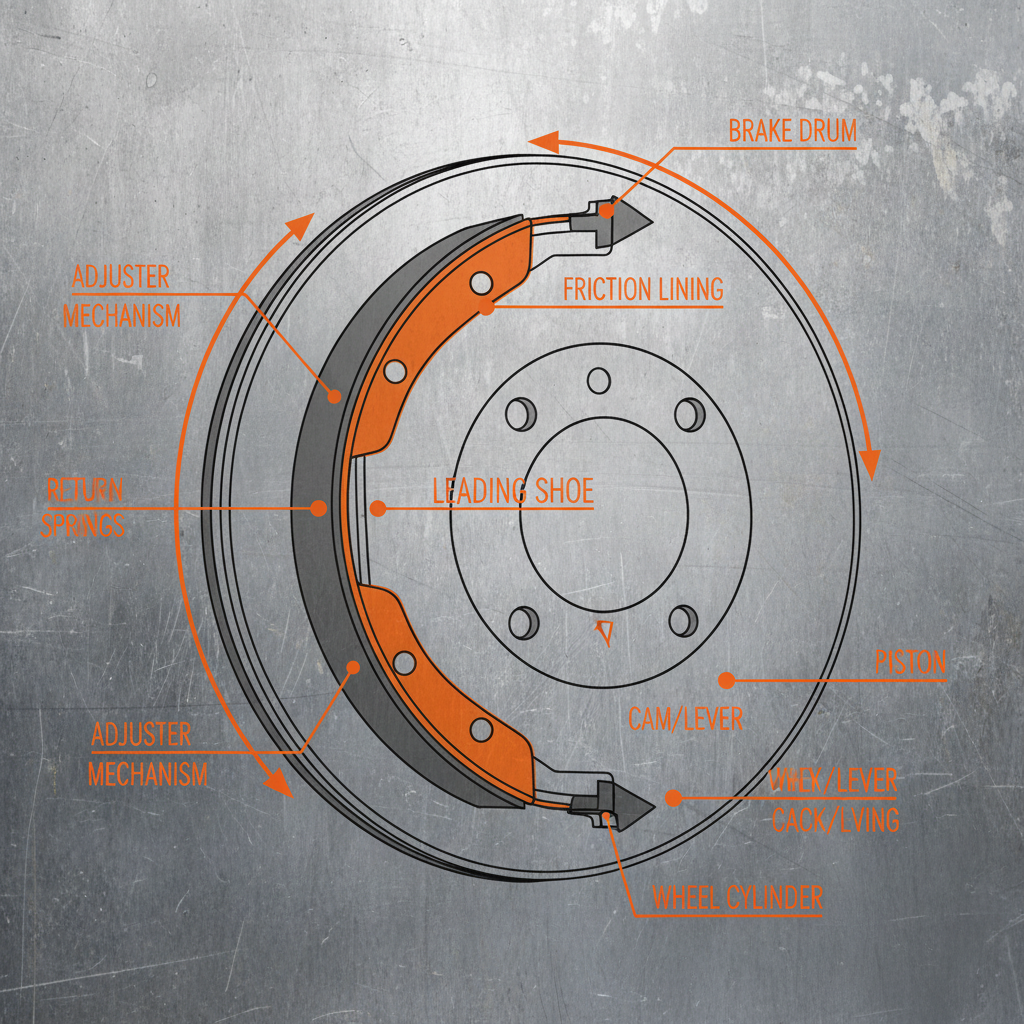 Drum brakes, a cornerstone of automotive braking systems for decades, rely heavily on the performance of their leading shoe components. These shoes, pressing against the inner surface of the drum, create the friction necessary to slow and stop a vehicle. Choosing the right drum brakes leading shoe is crucial for safety, reliability, and optimal braking performance. At Ningchai Brake Drum, we specialize in providing high-quality drum brake components, including leading shoes, tailored to various vehicle types. This article will delve into the intricacies of drum brakes leading shoes, their function, materials, selection criteria, and the benefits of choosing a reputable supplier. The leading shoe, positioned at the front of the brake rotation, experiences a self-energizing effect. As the drum rotates, the leading shoe is drawn into contact with the drum's inner surface, increasing braking force without requiring significant hydraulic pressure. This 'self-servo' action distinguishes drum brakes. The trailing shoe, positioned behind the leading shoe, relies more directly on hydraulic pressure for braking. A well-maintained leading shoe is vital for efficient and responsive braking.Წაიკითხე მეტი
 -
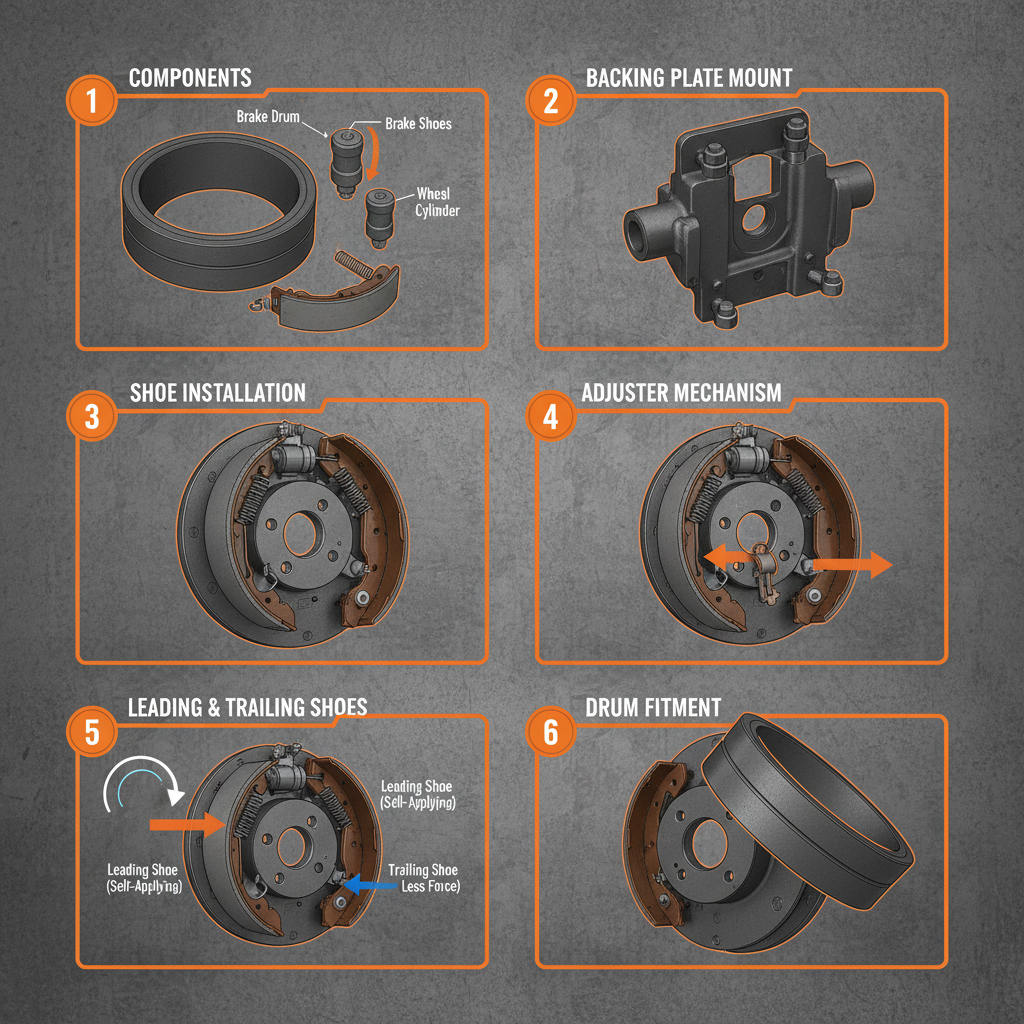 Drum brakes, a classic braking system found in many vehicles, rely on friction created by shoes pressing against the inner surface of a rotating drum. Within this system, the configuration of the brake shoes – leading and trailing – significantly impacts braking performance. This article will delve into the differences between leading and trailing shoes, their functions, and why understanding them is crucial for effective brake maintenance and repair. We’ll explore how Ningchai Brake Drum contributes to optimal drum brake system efficiency. Proper drum brake function is vital for vehicle safety and reliable stopping power. In a typical drum brake system, two brake shoes are employed. One shoe, the leading shoe, enters the braking surface before the drum’s rotation brings the other shoe, the trailing shoe, into contact. This difference in timing creates a self-energizing effect on the leading shoe, meaning the friction itself assists in applying greater braking force. The trailing shoe, conversely, relies more on the mechanical force applied by the hydraulic system. Understanding this dynamic is critical for diagnosing brake issues and ensuring balanced braking performance.Წაიკითხე მეტი
 -
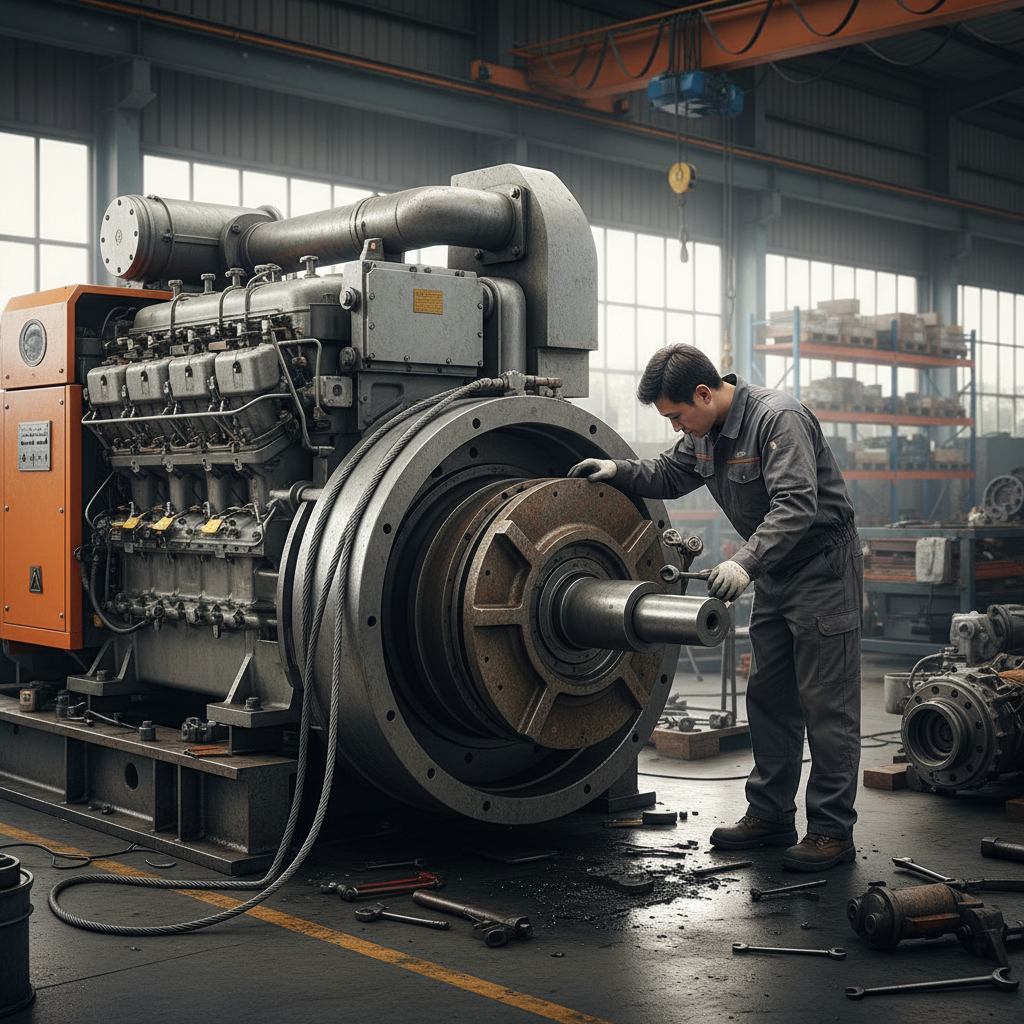 When it comes to vehicle safety, reliable braking performance is paramount. A drum brake kit is a crucial component in ensuring your vehicle stops efficiently and safely. This article will delve into the world of drum brake kits, covering their components, benefits, when to replace them, and how to choose the right kit for your needs. We'll explore everything from the basic functions to the specific advantages offered by Ningchai Brake Drum solutions. A drum brake kit isn’t just a single part; it’s a comprehensive assembly designed to provide consistent and reliable stopping power. Typically, a complete kit includes the brake drum itself (the rotating component), brake shoes (the friction material pressed against the drum), brake springs (to maintain proper shoe positioning), wheel cylinders (to actuate the shoes), and sometimes even hardware like adjusters and clips. These components work in harmony to create the friction needed to slow or stop the vehicle. Upgrading to a quality drum brake kit can significantly improve braking performance and overall vehicle safety.Წაიკითხე მეტი
 -
 Installing new drum brakes can significantly improve your vehicle’s safety and performance. This guide will provide a detailed overview of the drum brakes install process, essential tools, and important safety precautions. Whether you're a seasoned DIY mechanic or a beginner, understanding the intricacies of this installation is crucial for a successful outcome. A properly installed drum brake system ensures reliable stopping power and extends the life of your braking components. We'll cover everything from preparation to final inspection, ensuring you have the knowledge to tackle this project with confidence.Წაიკითხე მეტი
 -
Maintaining your Honda's braking system is crucial for safety and performance. A key component of this system are the drum brakes. This article provides a detailed overview of drum brakes in Honda vehicles, covering their function, maintenance, common issues, and when replacement is necessary. We'll explore how to identify quality drum brakes and where to source reliable replacements. Knowing the intricacies of your Honda’s drum brakes is essential for responsible vehicle ownership and ensuring a safe driving experience. Drum brakes utilize a set of curved shoes pressing outwards against the inside of a rotating drum, creating friction to slow or stop the vehicle. When you press the brake pedal, hydraulic pressure forces these shoes against the drum. This friction converts kinetic energy into heat, bringing your Honda to a halt. While disc brakes have become increasingly common, many Honda models, especially older ones or those with rear parking brake functionality, still rely on drum brakes. Understanding the components – the brake shoes, wheel cylinders, springs, and the drum itself – is key to diagnosing and resolving any braking issues.Წაიკითხე მეტი
-
A grinding noise from your drum brakes after a replacement is a common concern, and it often indicates an issue that needs immediate attention. It's frustrating to experience this after investing in new components. At Ningchai Brake Drum, we specialize in providing high-quality brake drums and understand the intricacies of brake systems. This article will explore the potential causes of this grinding noise, how to diagnose them, and what steps you can take to resolve the problem. We’ll cover everything from incorrect installation to component incompatibility, helping you restore a safe and quiet braking experience. Several factors can lead to a grinding noise from your drum brakes after replacement. The most frequent culprits include improper installation, worn or damaged hardware, or incompatible parts. Sometimes, even a brand-new brake drum can cause noise if it hasn’t been properly seated or if the brake shoes aren’t correctly aligned.Წაიკითხე მეტი