

Comprehensive Guide to Drum Brakes Install for Enhanced Vehicle Safety
Drum Brakes Install: A Comprehensive Guide
Installing new drum brakes can significantly improve your vehicle’s safety and performance. This guide will provide a detailed overview of the drum brakes install process, essential tools, and important safety precautions. Whether you're a seasoned DIY mechanic or a beginner, understanding the intricacies of this installation is crucial for a successful outcome. A properly installed drum brake system ensures reliable stopping power and extends the life of your braking components. We'll cover everything from preparation to final inspection, ensuring you have the knowledge to tackle this project with confidence.

Essential Tools for Drum Brakes Install
Before you begin the drum brakes installation process, it's vital to gather the necessary tools. These include a jack and jack stands, lug wrench, brake drum puller, C-clamp, brake spring pliers, screwdrivers, sockets and wrenches, brake cleaner, and gloves. Having the right tools will make the job much easier and safer. Don’t forget a torque wrench for properly tightening the lug nuts and other components. Safety glasses are also essential to protect your eyes from debris. A repair manual specific to your vehicle model is highly recommended.
Tool Checklist: Ensure you have a jack, jack stands, brake drum puller, brake spring pliers, and a repair manual before starting.
Step-by-Step Drum Brakes Install Procedure
The drum brakes install procedure involves several key steps. First, safely lift the vehicle and secure it with jack stands. Remove the wheel and inspect the existing brake components for wear and damage. Next, detach the brake lines and cables, carefully remove the brake drum using a puller, and disassemble the brake shoes and hardware. Clean all surfaces thoroughly with brake cleaner before installing the new brake shoes, springs, and adjusters. Reinstall the brake drum, connect the brake lines and cables, and finally, reinstall the wheel. Remember to properly adjust the brakes before lowering the vehicle.
Key Installation Steps:
• Safely lift and secure the vehicle.
• Remove the wheel and inspect components.
• Disassemble and clean brake parts.
• Install new brake shoes and hardware.
Drum Brakes vs. Disc Brakes: A Quick Comparison
Understanding the differences between drum brakes and disc brakes is essential. Drum brakes are generally more affordable and require less maintenance, while disc brakes offer superior stopping power and heat dissipation. Drum brakes are often found on the rear wheels of older vehicles or lighter-duty applications. Disc brakes are more common on modern vehicles and performance-oriented applications. Choosing the right brake system depends on your vehicle’s needs and driving conditions.
Safety Precautions During Drum Brakes Install
Safety should always be your top priority during any automotive repair. Wear safety glasses and gloves throughout the drum brakes install process. Ensure the vehicle is securely supported by jack stands before working underneath it. Properly dispose of old brake fluid, as it is hazardous waste. If you are unsure about any step, consult a qualified mechanic. Always test the brakes thoroughly after installation to ensure they are functioning correctly. A malfunctioning brake system can lead to serious accidents.
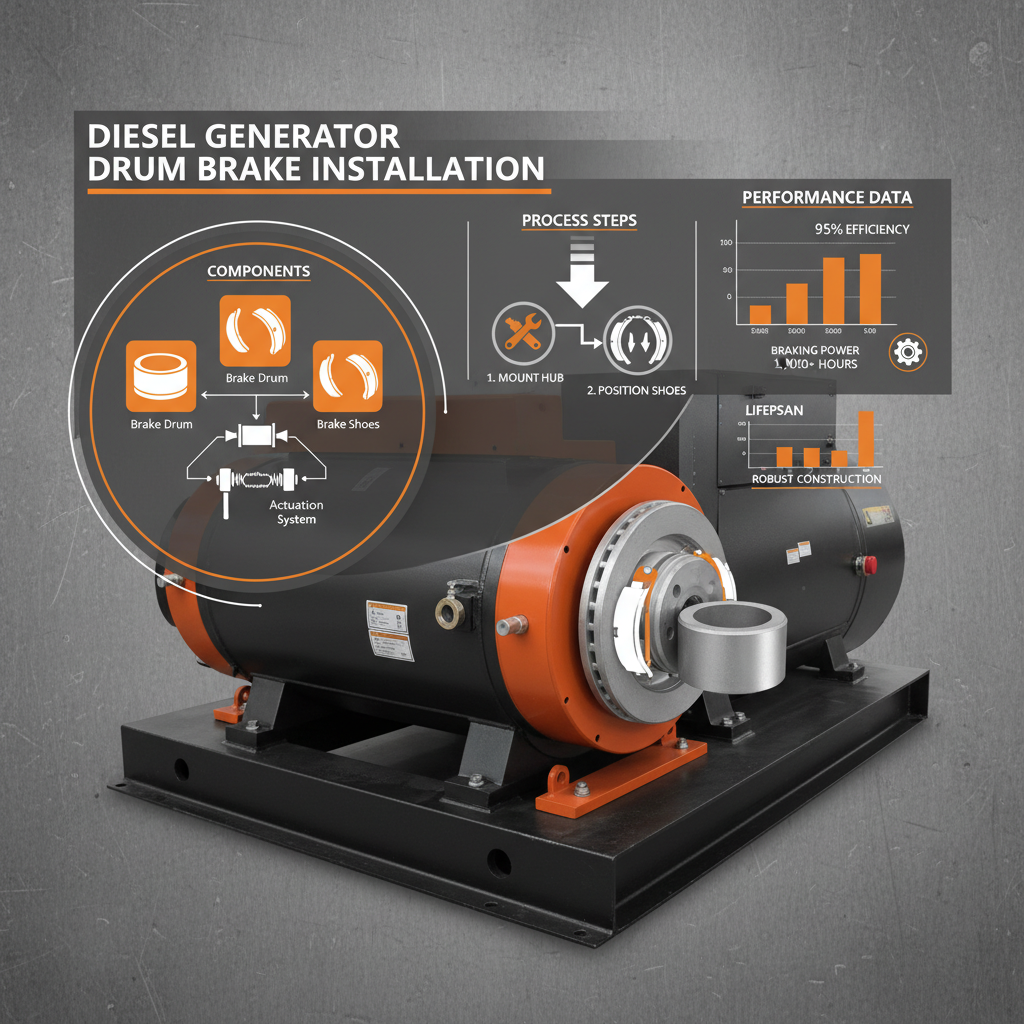
Product Specifications - Ningchai Brake Drums
At Ningchai, we pride ourselves on delivering high-quality brake drums. Here are some of our key specifications:
Conclusion: Ensuring Safe Braking Performance
Proper drum brake installation is crucial for vehicle safety. By following these steps and taking necessary precautions, you can effectively maintain and repair your braking system. For high-quality brake drums and components, visit Ningchai today. Don't compromise on safety – ensure your brakes are always in optimal condition.
Frequently Asked Questions (FAQs)
How often should I replace my drum brakes?
The lifespan of drum brakes varies depending on driving habits and conditions. Generally, drum brakes should be inspected every 25,000 to 50,000 miles. Replacement is typically recommended when the brake shoes wear down to 1/8 inch of friction material or if the brake drums are damaged or warped. Regular inspections and timely replacements are vital for maintaining optimal braking performance and safety. Ignoring worn brakes can lead to decreased stopping power and potential accidents.
What are the signs of worn drum brakes?
Several signs indicate that your drum brakes may need attention. These include squealing or grinding noises when braking, a decrease in braking performance, a soft or spongy brake pedal, the vehicle pulling to one side during braking, and a parking brake that doesn’t hold firmly. If you experience any of these symptoms, it's essential to have your brakes inspected by a qualified mechanic as soon as possible.
Can I install drum brakes myself?
Installing drum brakes is a moderately complex task that can be performed by experienced DIY mechanics. However, it requires a good understanding of automotive braking systems, the right tools, and strict adherence to safety procedures. If you are not comfortable working on brakes or lack the necessary experience, it’s best to leave the job to a professional mechanic. Improper installation can compromise your safety and the safety of others.
What is brake bedding and why is it important?
Brake bedding is the process of transferring a layer of friction material from the brake pads or shoes to the brake rotors or drums. This creates optimal friction and braking performance. After installing new brakes, it’s essential to follow a specific bedding procedure, which typically involves a series of controlled stops from varying speeds. Proper bedding ensures consistent braking performance and prolongs the life of the brake components.
-
Understanding Drum Brakes on Cars A Complete Guide to ReliabilityNewsApr.16,2026
-
Understanding Drum Brakes on Car for Safety and PerformanceNewsApr.09,2026
-
Comprehensive Guide to Understanding Drum Brakes on a Semi TruckNewsApr.07,2026
-
Understanding the Mechanics and Maintenance of Drum Brakes on a CarNewsApr.04,2026
-
Understanding and Fixing Drum Brakes Not Self Adjusting for Vehicle SafetyNewsMar.31,2026
-
Understanding and Fixing Issues with Drum Brakes Not Releasing EffectivelyNewsMar.28,2026
-
Nissan Sentra Drum Brakes A Comprehensive Guide to Maintenance and ReplacementNewsMar.26,2026