

Understanding the Mechanics and Maintenance of Drum Brakes on a Car
Understanding Drum Brakes on a Car
When it comes to vehicle safety, the braking system is paramount. A crucial component of many braking systems, especially in older vehicles and some modern rear setups, is the drum brake. This article will provide a comprehensive overview of drum brakes, including how they work, their advantages and disadvantages, maintenance requirements, and common issues. Understanding your car’s braking system is vital for safe driving, and this guide will help you learn more about drum brakes.
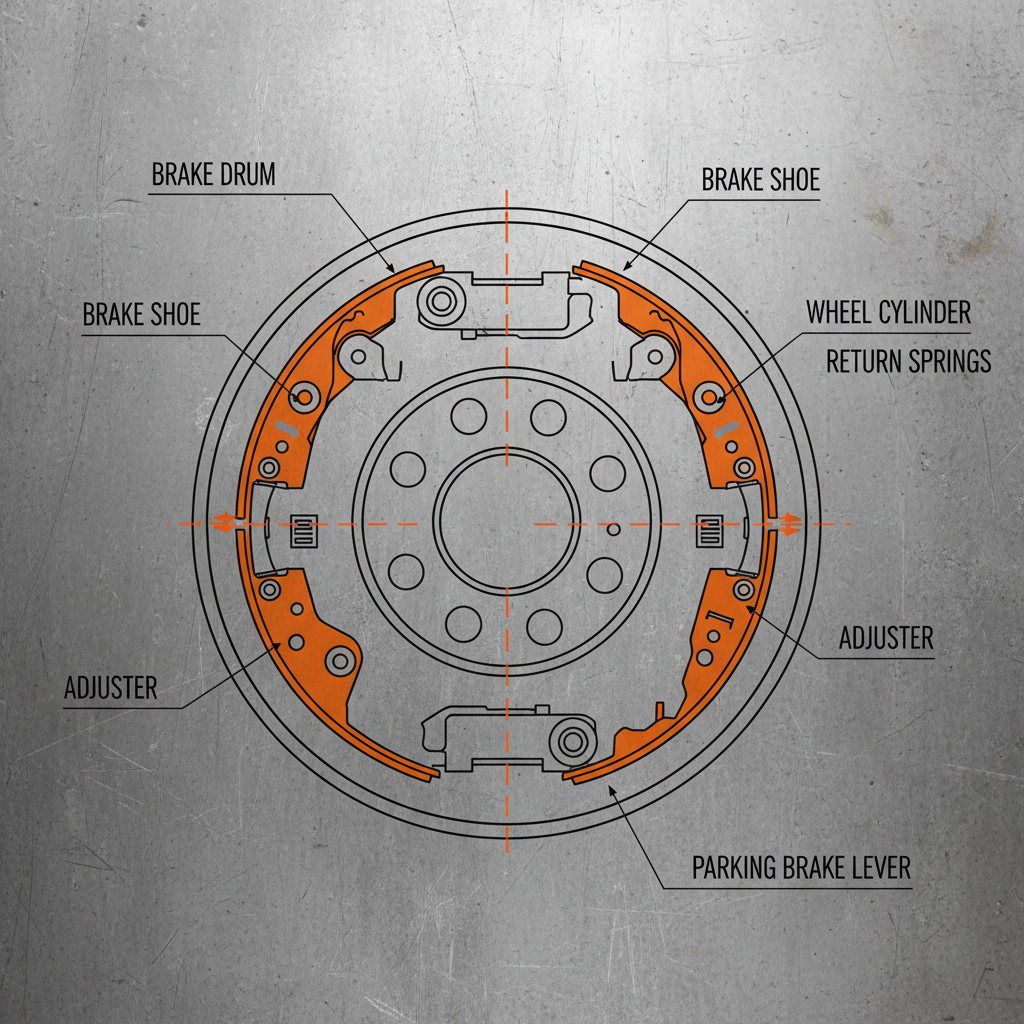
How Do Drum Brakes Work?
Drum brakes utilize a set of curved brake shoes pressing outwards against the inside of a rotating drum. When you apply the brakes, hydraulic pressure from the master cylinder forces these shoes against the drum. The friction created slows down the rotation of the wheel. Key components include the brake drum itself, the brake shoes, wheel cylinders, springs, and adjusters. The adjuster is critical as brake shoes wear down, maintaining the correct distance between the shoes and the drum. Without proper adjustment, braking performance suffers and you risk damaging the system. A proper understanding of these components is key to identifying problems and maintaining optimal performance.
Key Components: Brake drum, brake shoes, wheel cylinders, springs, and adjusters.
Drum Brakes vs. Disc Brakes
The primary alternative to drum brakes is the disc brake system. While both achieve the same goal – slowing or stopping the vehicle – they do so using different mechanisms. Disc brakes employ calipers to squeeze brake pads against a rotating rotor, providing more consistent and powerful braking. Drum brakes are generally less expensive to manufacture and maintain, but often offer less stopping power, especially in wet conditions. They are also prone to overheating, which can lead to brake fade (a reduction in braking effectiveness).
Comparison:
• Stopping Power: Disc brakes generally offer superior stopping power.
• Heat Dissipation: Disc brakes dissipate heat more efficiently, reducing brake fade.
• Cost: Drum brakes are typically less expensive.
• Maintenance: Drum brakes can sometimes be more complex to maintain.
Common Issues with Drum Brakes
Several issues can plague drum brakes. A common problem is brake shoe wear, necessitating replacement. Wheel cylinder leaks, often due to corrosion, can diminish braking effectiveness and require repair or replacement. Contamination from oil, grease, or brake fluid can also reduce friction. Another frequent concern is improper adjustment, leading to reduced stopping power or a spongy brake pedal. Regularly inspecting and maintaining your drum brakes can prevent these issues from escalating.
Maintenance and Inspection of Drum Brakes
Regular maintenance is crucial for ensuring the longevity and effectiveness of your drum brakes. Periodic inspections should include checking brake shoe thickness, examining the wheel cylinders for leaks, and verifying proper adjustment. The brake drum itself should be inspected for cracks or damage. Ningchai Brake Drum offers high-quality replacement drums if needed. Following the manufacturer’s recommended maintenance schedule will help prevent costly repairs and maintain your vehicle’s safety.
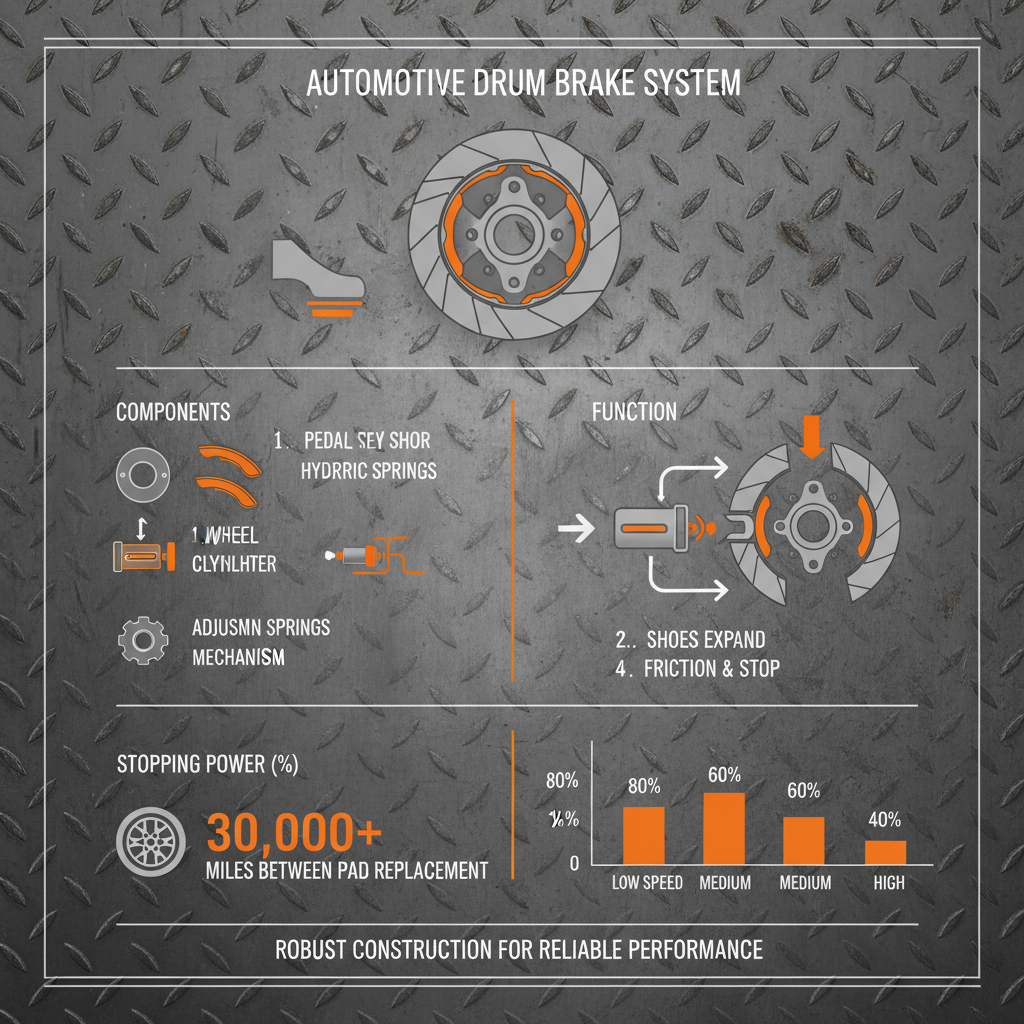
Choosing the Right Drum Brake Components
When replacing drum brake components, quality is paramount. Opt for reputable brands and ensure the parts are compatible with your vehicle’s make and model. Using inferior parts can compromise braking performance and safety. Ningchai Brake Drum specializes in providing durable and reliable drum brake components, ensuring optimal performance and safety for your vehicle. Investing in quality parts will save you money in the long run and provide peace of mind.
Conclusion
Understanding drum brakes, their operation, and maintenance is crucial for vehicle safety. While often overshadowed by disc brakes, drum brakes remain a vital part of many vehicles’ braking systems. By staying informed and performing regular inspections, you can ensure your drum brakes are functioning optimally and keeping you safe on the road. Ningchai Brake Drum is a trusted source for high-quality drum brake components and expert advice.
Frequently Asked Questions (FAQs)
How often should I inspect my drum brakes?
It’s recommended to inspect your drum brakes at least twice a year, or every 6,000 miles. During these inspections, check the brake shoe thickness, the condition of the wheel cylinders, and the overall condition of the drum itself. Look for signs of leaks, cracks, or excessive wear. If you notice any issues, address them promptly. Don't wait until you experience a noticeable decline in braking performance. Regular inspections can help prevent more serious (and expensive) repairs down the road.
What are the signs of worn drum brakes?
Several signs can indicate worn drum brakes. These include a squealing or grinding noise when braking, a spongy or soft brake pedal, reduced braking power, and the need to press the brake pedal further to stop the vehicle. If you experience any of these symptoms, it’s essential to have your brakes inspected by a qualified mechanic. Ignoring these signs can compromise your safety and lead to more significant damage to the braking system.
Can I replace drum brake shoes myself?
Replacing drum brake shoes can be a DIY project for experienced mechanics with the right tools and knowledge. However, it requires a good understanding of the braking system and attention to detail. If you’re not comfortable working on brakes, it’s best to leave the job to a professional. Improperly installed brakes can be extremely dangerous. A professional mechanic will ensure the shoes are installed correctly and the system is properly adjusted.
What is brake fade, and how does it relate to drum brakes?
Brake fade is a reduction in braking effectiveness caused by overheating. Drum brakes are more prone to brake fade than disc brakes because they don't dissipate heat as efficiently. Repeated heavy braking can cause the drum and shoes to overheat, reducing the friction coefficient and diminishing stopping power. Avoiding prolonged or aggressive braking, and ensuring the brakes are properly maintained, can help minimize the risk of brake fade.
-
Understanding Drum Brakes on Cars A Complete Guide to ReliabilityNewsApr.16,2026
-
Understanding Drum Brakes on Car for Safety and PerformanceNewsApr.09,2026
-
Comprehensive Guide to Understanding Drum Brakes on a Semi TruckNewsApr.07,2026
-
Understanding and Fixing Drum Brakes Not Self Adjusting for Vehicle SafetyNewsMar.31,2026
-
Understanding and Fixing Issues with Drum Brakes Not Releasing EffectivelyNewsMar.28,2026
-
Nissan Sentra Drum Brakes A Comprehensive Guide to Maintenance and ReplacementNewsMar.26,2026
-
Understanding Drum Brakes Meaning and Comprehensive Braking System GuideNewsMar.24,2026