

Understanding Drum Brakes on Cars A Complete Guide to Reliability
Understanding Drum Brakes on Cars: A Complete Guide to Reliability
When it comes to vehicle safety, the braking system is the most critical component. While disc brakes often take the spotlight in performance cars, drum brakes on cars remain a cornerstone of automotive engineering, especially for rear axles and heavy-duty applications. Known for their exceptional parking brake capabilities and cost-effectiveness, drum brakes provide a reliable stopping force that has stood the test of time. In this guide, we will explore how they work, their inherent advantages, and how to maintain them for long-term performance. Whether you are a car enthusiast or a fleet manager, understanding the nuances of drum braking is essential for ensuring road safety.
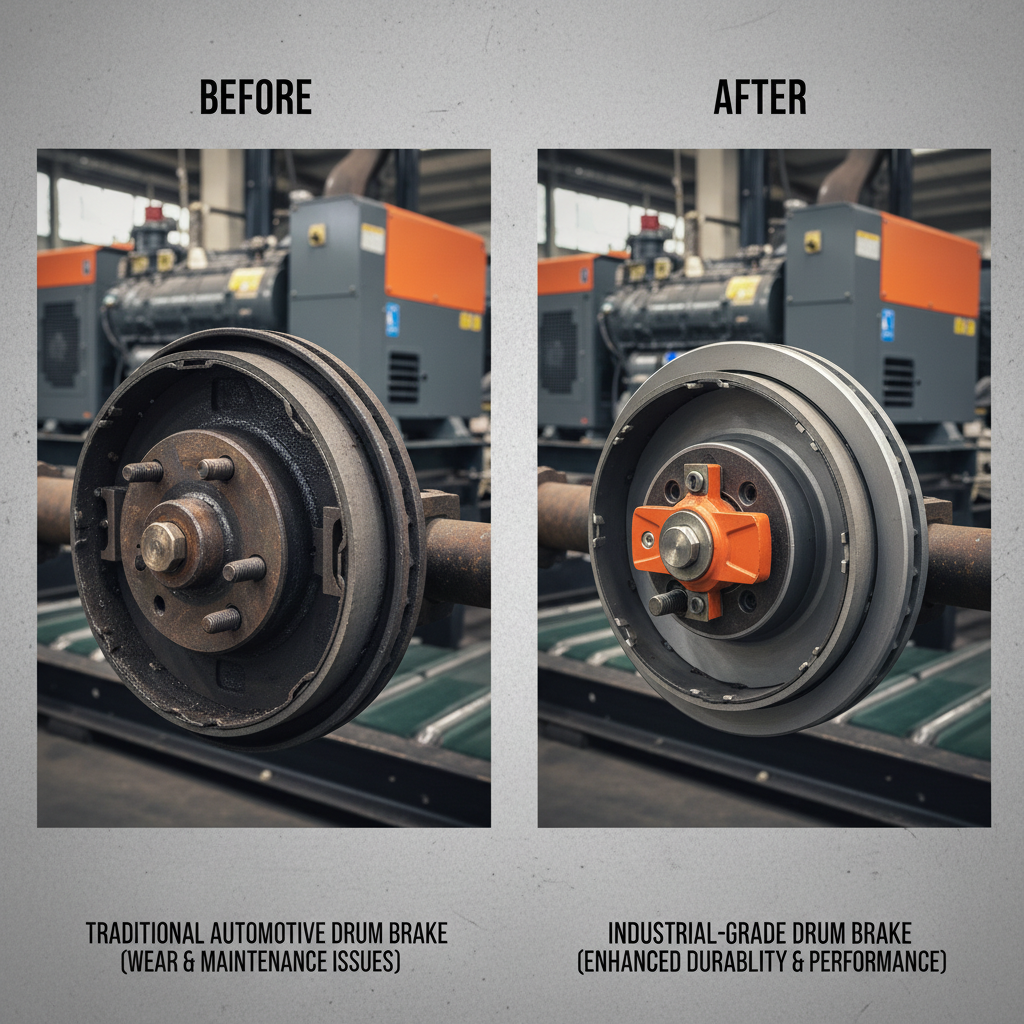
How Drum Brakes on Cars Actually Work
The mechanism of drum brakes on cars is based on the principle of internal expansion. Unlike disc brakes that squeeze a rotor from the outside, a drum brake uses a hollow drum that rotates with the wheel. When the driver presses the brake pedal, hydraulic fluid forces the wheel cylinder to push brake shoes outward against the inner surface of the drum. The resulting friction converts kinetic energy into heat, slowing the vehicle down. This enclosed design protects the braking components from road debris and moisture, making them highly durable in harsh environments.
Pro Tip: Because the shoes are enclosed, drum brakes are naturally more protected from salt and grime, which is why they are frequently used in trucks and rear-wheel drive economy cars.
The Key Advantages of Using Drum Brakes
There are several reasons why manufacturers continue to implement drum brakes on cars. First is the self-energizing effect; as the shoes press against the rotating drum, they are actually pulled tighter into the surface, increasing the stopping power without requiring additional pedal pressure. Second, they serve as an excellent integrated parking brake. The mechanical linkage required for a handbrake is much simpler to implement in a drum system than in a disc system. Finally, the lower manufacturing cost makes them an attractive option for budget-friendly vehicles without sacrificing essential safety.
Why Choose Drum Brakes?
• Superior holding power for parking brakes
• Higher durability in muddy or salty conditions
• More cost-effective production and replacement
• Efficient braking force via self-energization
Comparing Drum Brakes on Cars vs. Disc Brakes
Choosing between the two depends on the vehicle's purpose. Disc brakes offer better heat dissipation and are preferred for front wheels where most of the braking force is applied. However, drum brakes on cars are often superior for the rear due to their stability and integrated parking lock. Below is a detailed comparison to help you understand the trade-offs.
Common Maintenance for Drum Brakes on Cars
To keep drum brakes on cars performing at their peak, regular maintenance is non-negotiable. Unlike disc pads that are easy to spot, drum shoes are hidden. Over time, brake dust accumulates inside the drum, which can lead to reduced friction or "brake squeal." Regular cleaning and lubrication of the adjustment hardware ensure that the shoes move freely. Furthermore, the drums themselves can wear down or become "out-of-round," leading to vibrations. Professionals recommend measuring the inner diameter of the drum periodically to ensure it hasn't exceeded the maximum wear limit.
Technical Specifications of High-Quality Brake Drums
The performance of drum brakes on cars depends heavily on the materials used. Premium drums are typically made from high-grade cast iron for superior heat absorption and wear resistance. Precision machining is required to ensure the internal surface is perfectly concentric, which prevents pedal pulsation. Below are the standard technical specifications typically found in professional-grade brake drums.
Signs Your Drum Brakes Need Replacement
Recognizing the warning signs of worn-out drum brakes on cars can prevent costly repairs and dangerous accidents. One of the most common signs is a spongy brake pedal or a pedal that needs to be pressed deeper than usual to engage the brakes. Another indicator is a grinding noise emanating from the rear wheels, suggesting that the brake shoe lining has worn away, leaving metal-on-metal contact. Additionally, if your car pulls to one side during braking, it may indicate uneven shoe wear or a leaking wheel cylinder.
Conclusion: Choosing the Right Brake Solution
While automotive technology evolves, drum brakes on cars remain a vital and efficient option for millions of vehicles globally. Their ability to provide strong parking holds and withstand environmental contaminants makes them indispensable for specific vehicle segments. By adhering to a strict maintenance schedule and using high-quality replacement parts, drivers can ensure their braking system remains safe and responsive. Prioritize quality over price when selecting your brake drums to guarantee maximum safety on every journey.
Frequently Asked Questions (FAQs)
Are drum brakes safer than disc brakes?
Neither is universally "safer"; they simply serve different purposes. Disc brakes are safer for high-speed stopping and heavy loads because they dissipate heat much faster, preventing "brake fade." However, drum brakes are often safer and more reliable as parking brakes because they can lock the wheels more securely. Most modern cars use a hybrid system—discs in the front for stopping power and drums in the rear for efficiency and parking. The safety of either system depends entirely on proper installation and regular maintenance.
Why do my drum brakes make a squealing noise?
Squealing in drum brakes is usually caused by brake dust buildup or glazing of the brake shoes. Because the system is enclosed, dust from the friction material cannot escape easily. Over time, this dust can create high-frequency vibrations that sound like a squeal. In some cases, if the brakes have been overheated, the shoe surface can "glaze," becoming smooth and hard, which also produces noise. A professional cleaning and resurfacing of the drum often solves this issue and restores silent, efficient braking.
Can I convert my drum brakes to disc brakes?
Yes, it is possible to perform a disc brake conversion, but it is a complex process. It usually requires replacing the entire axle hub, installing new calipers, and sometimes modifying the master cylinder to handle the different hydraulic pressure requirements. While this can improve stopping performance and heat management, it is an expensive upgrade. For most daily drivers, high-quality drum brakes on cars provide more than enough safety and performance if they are maintained correctly.
How often should I check my rear drum brakes?
It is recommended to have your drum brakes inspected every 10,000 to 15,000 miles or during every oil change. Because the shoes are not visible, you cannot simply look through the rim to check the wear. A technician will need to remove the drum to inspect the lining thickness and check for any hydraulic leaks in the wheel cylinder. Regular checks prevent the shoes from wearing down to the metal, which would damage the drum and significantly increase the cost of your next repair.
-
Understanding Drum Brakes on Car for Safety and PerformanceNewsApr.09,2026
-
Comprehensive Guide to Understanding Drum Brakes on a Semi TruckNewsApr.07,2026
-
Understanding the Mechanics and Maintenance of Drum Brakes on a CarNewsApr.04,2026
-
Understanding and Fixing Drum Brakes Not Self Adjusting for Vehicle SafetyNewsMar.31,2026
-
Understanding and Fixing Issues with Drum Brakes Not Releasing EffectivelyNewsMar.28,2026
-
Nissan Sentra Drum Brakes A Comprehensive Guide to Maintenance and ReplacementNewsMar.26,2026
-
Understanding Drum Brakes Meaning and Comprehensive Braking System GuideNewsMar.24,2026