

Understanding Drum Brakes on Car for Safety and Performance
Understanding Drum Brakes on Car: A Comprehensive Guide to Safety and Performance
When it comes to vehicle safety, the braking system is the most critical component. While many modern vehicles lean towards disc brakes, drum brakes on car rear axles remain a prevalent and effective technology. These systems provide a reliable method of deceleration and often serve as an integrated parking brake. Understanding how these components function, when to maintain them, and how they compare to other systems is essential for every car owner and automotive professional. In this guide, we will explore the intricate mechanics and the lasting benefits of drum brake systems.
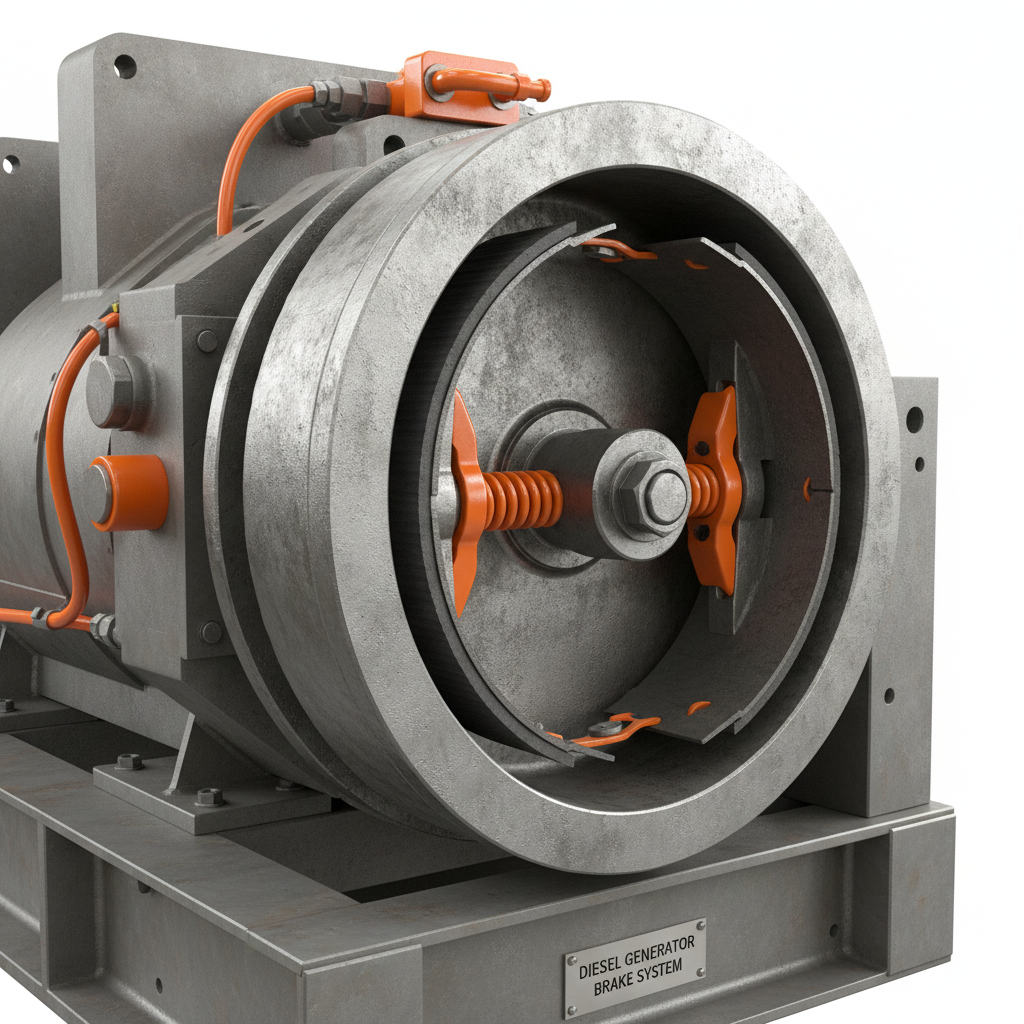
How Drum Brakes on Car Actually Work
The fundamental mechanism of drum brakes on car involves a hollow drum that rotates with the wheel. Inside this drum, a wheel cylinder is activated by hydraulic pressure when the driver presses the brake pedal. This pressure forces two brake shoes outward against the inner surface of the rotating drum. The resulting friction converts kinetic energy into thermal energy, slowing the vehicle down. Because the shoes are pressed outward, drum brakes can actually create a "self-energizing" effect, which increases the braking force without requiring additional pedal pressure from the driver.
Pro Tip: The "self-energizing" nature of drum brakes makes them exceptionally efficient for parking brakes, as they can hold a vehicle securely on a steep incline with minimal effort.
Key Advantages of Using Drum Brakes
Despite the popularity of disc brakes, drum brakes on car offer several distinct advantages. First, they are generally more cost-effective to manufacture and maintain. Second, the enclosed design protects the internal braking components from road debris, salt, and water, which is a significant benefit in harsh winter climates. Additionally, because the brake shoes have a larger surface area in contact with the drum compared to disc pads, they can provide substantial stopping power for heavy-duty vehicles or rear-wheel applications where less braking force is required than at the front.
Primary Benefits:
• Cost-Efficiency: Lower production and replacement costs.
• Environmental Protection: Enclosed system prevents contamination.
• High Friction Area: Effective for heavy loads and parking.
• Durability: Longer wear life for brake shoes in moderate use.
Comparing Drum Brakes on Car vs. Disc Brakes
Choosing between these two systems depends on the vehicle's purpose. Disc brakes are superior at dissipating heat, making them ideal for the front wheels where most of the stopping force is applied. However, drum brakes on car are often preferred for the rear due to their simplicity and effectiveness as a parking brake. The main drawback of drums is "brake fade," where heat builds up inside the drum and reduces friction during intense braking sessions.
Common Maintenance for Drum Brakes on Car
Maintaining drum brakes on car requires specific attention to cleanliness and adjustment. Over time, brake dust accumulates inside the drum, which can lead to noise and reduced efficiency. Periodically cleaning the assembly and lubricating the contact points prevents "brake squeal." Furthermore, unlike disc brakes, drum brakes often require manual adjustment of the shoes to ensure the gap between the shoe and the drum remains optimal for immediate response.
Technical Specifications of High-Quality Brake Drums
Not all brake drums are created equal. Professional-grade drum brakes on car are manufactured from high-carbon cast iron to improve heat resistance and reduce vibration. Precision machining ensures that the inner surface is perfectly concentric, preventing pedal pulsation. Below are the typical specifications for industrial-standard brake drums used in passenger vehicles.
Signs Your Drum Brakes Need Replacement
Recognizing wear and tear is vital for safety. If you notice a grinding sound when braking, it often indicates that the brake shoe lining has worn down to the metal. Another sign is the brake pedal feeling "spongy" or requiring a deeper press to engage, which suggests the shoes are too far from the drum. Additionally, if the vehicle pulls to one side during braking, it may indicate a seized wheel cylinder in one of the drum brakes on car. Prompt replacement prevents damage to the drum itself and ensures consistent stopping distances.
Conclusion: The Enduring Value of Drum Brake Technology
While automotive technology continues to evolve, drum brakes on car continue to provide an essential balance of cost, durability, and reliability. By understanding their mechanics and adhering to a strict maintenance schedule, drivers can ensure their vehicles remain safe and efficient. Whether for daily commuting or heavy-duty hauling, high-quality brake drums are a cornerstone of automotive safety. Invest in quality components and regular inspections to keep your journey secure.
Frequently Asked Questions (FAQs)
Are drum brakes less safe than disc brakes?
Not necessarily. While disc brakes offer better heat dissipation and are less prone to fade during high-speed or repeated braking, drum brakes are perfectly safe for their intended use—typically as rear brakes or in lightweight vehicles. They provide excellent stopping power and are superior for parking applications. The "safety" of any brake system depends more on the quality of the components and the regularity of maintenance than on the design alone. When properly maintained, drum brakes provide reliable and consistent performance.
Why do my drum brakes squeak?
Squeaking in drum brakes is usually caused by the accumulation of brake dust or a lack of lubrication on the contact points between the brake shoes and the backing plate. Because the system is enclosed, dust cannot escape and can create high-frequency vibrations. In some cases, a squeak can indicate that the brake shoes are worn down to the wear indicators. Cleaning the assembly with a specialized brake cleaner and applying high-temperature brake grease to the appropriate points usually resolves the noise.
Can I convert my drum brakes to disc brakes?
Yes, it is possible to perform a disc brake conversion. This often involves replacing the rear axle hubs, installing new calipers, rotors, and modifying the brake lines. While this can improve heat dissipation and braking feel, it is a costly and complex modification. For most standard drivers, maintaining high-quality drum brakes on car is more than sufficient for daily safety and performance needs, offering a more economical and durable solution for rear-wheel braking.
How often should drum brakes be inspected?
It is generally recommended to have your brakes inspected every 10,000 to 15,000 miles or during every oil change. Because drum brakes are enclosed, you cannot visually inspect the shoes as easily as disc pads. A technician will check for shoe thickness, leakages from the wheel cylinder, and proper adjustment of the star wheel. Regular inspections prevent the drums from becoming scored or damaged, which significantly extends the life of the entire braking assembly.
-
Understanding Drum Brakes on Cars A Complete Guide to ReliabilityNewsApr.16,2026
-
Comprehensive Guide to Understanding Drum Brakes on a Semi TruckNewsApr.07,2026
-
Understanding the Mechanics and Maintenance of Drum Brakes on a CarNewsApr.04,2026
-
Understanding and Fixing Drum Brakes Not Self Adjusting for Vehicle SafetyNewsMar.31,2026
-
Understanding and Fixing Issues with Drum Brakes Not Releasing EffectivelyNewsMar.28,2026
-
Nissan Sentra Drum Brakes A Comprehensive Guide to Maintenance and ReplacementNewsMar.26,2026
-
Understanding Drum Brakes Meaning and Comprehensive Braking System GuideNewsMar.24,2026