

Comprehensive Guide to Honda Drum Brakes Maintenance and Replacement
Understanding Drum Brakes for Your Honda
Maintaining your Honda's braking system is crucial for safety and performance. A key component of this system, especially in older models, are drum brakes. This article delves into the function, maintenance, and replacement of drum brakes on Honda vehicles. We will explore the benefits of quality drum brakes and how to identify when they need attention. Choosing the right drum brakes from a reliable supplier, like Ningchai Brake Drum, can significantly impact your vehicle's stopping power and overall safety.
How Do Honda Drum Brakes Work?
Unlike disc brakes, drum brakes utilize a rotating drum and internal brake shoes. When you apply the brakes, hydraulic pressure forces the brake shoes outwards, pressing against the inside of the drum. This friction slows down or stops the rotation of the wheel. Honda vehicles, particularly older models and some rear-wheel setups, commonly employ drum brakes due to their cost-effectiveness and self-energizing properties. The self-energizing feature means that as the shoes press against the drum, the force is amplified, providing more stopping power with less pedal effort. Understanding this mechanism is key to diagnosing and addressing any issues related to your Honda's drum brakes. Regular inspection and maintenance, alongside sourcing quality parts from a trusted vendor like Ningchai Brake Drum, are essential.
Key Highlights: Drum brakes use rotating drums and internal brake shoes. Hydraulic pressure pushes shoes against the drum, creating friction and stopping the vehicle. Honda often uses drum brakes for cost and efficiency.
Identifying Signs Your Honda Drum Brakes Need Attention
Several symptoms indicate that your Honda's drum brakes might require maintenance or replacement. These include a squealing or grinding noise when braking, reduced braking performance (longer stopping distances), a pulling sensation to one side during braking, and a spongy or soft brake pedal. A visual inspection can also reveal issues, such as rust, cracks, or excessive wear on the brake shoes or drum itself. Ignoring these signs can compromise your safety and lead to more expensive repairs down the road. Proactive maintenance and sourcing high-quality replacement parts, like those available at Ningchai Brake Drum, will prevent these problems.
Warning Signs:
• Squealing or grinding noises
• Reduced braking performance
• Pulling to one side
• Spongy brake pedal
Drum Brakes vs. Disc Brakes for Honda: A Comparison
While many newer Honda models now predominantly use disc brakes on all four wheels, understanding the differences between drum and disc brakes is important. Disc brakes generally offer superior stopping power and heat dissipation, making them ideal for high-performance driving. However, drum brakes are often more affordable and require less maintenance. Drum brakes also offer a self-energizing effect which is not present in disc brakes. For older Honda models or those with rear drum brakes, choosing quality replacement parts is essential to maintain optimal performance. Ningchai Brake Drum provides durable and reliable drum brake components.
Choosing the Right Drum Brake Replacement for Your Honda
When replacing drum brakes on your Honda, selecting high-quality components is paramount. Look for brake drums and shoes specifically designed for your vehicle's make and model. Consider the material of the drum and shoes – cast iron is standard, but certain upgrades are available. Ensure the replacement parts meet or exceed OEM specifications. Ningchai Brake Drum offers a wide selection of Honda-compatible drum brake components, ensuring a perfect fit and reliable performance.
Maintaining Your Honda Drum Brakes for Longevity
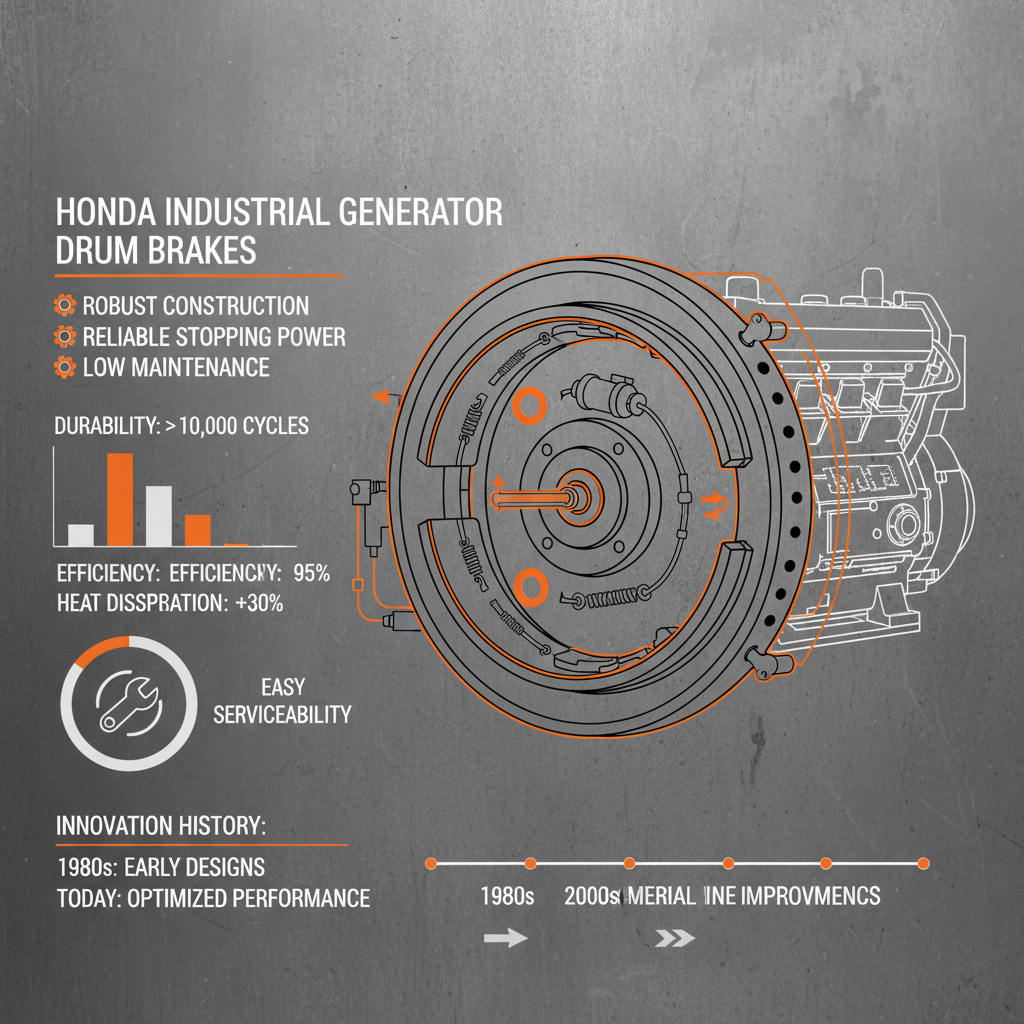
Regular maintenance can significantly extend the life of your Honda's drum brakes. This includes periodic inspections for wear and tear, cleaning the brake shoes and drum to remove debris, and ensuring proper lubrication of moving parts. Adjusting the brake shoes as needed is also crucial to maintain optimal stopping power. Following your Honda's recommended maintenance schedule and using high-quality brake fluid will contribute to a longer-lasting and more reliable braking system. Remember, proactive maintenance is far less costly than dealing with a brake failure on the road.
Conclusion: Ensuring Safe Braking with Quality Drum Brakes
Maintaining the integrity of your Honda's drum brake system is a critical aspect of vehicle safety. By understanding how these brakes function, recognizing the signs of wear, and choosing high-quality replacement parts from a trusted supplier like Ningchai Brake Drum, you can ensure reliable stopping power and a safer driving experience. Don't compromise on your safety – invest in quality drum brakes and regular maintenance.
Frequently Asked Questions (FAQs)
How often should I replace my Honda's drum brakes?
The lifespan of drum brakes varies depending on driving conditions and habits. Generally, brake shoes should be inspected every 25,000-30,000 miles, and replaced when they reach a minimum thickness of 2mm. Brake drums should be inspected for cracks, scoring, or excessive wear. If the drums are damaged or worn beyond a certain limit, they should be replaced or resurfaced. It's best to consult your Honda's owner's manual for specific recommendations.
Can I replace drum brakes myself?
Replacing drum brakes can be a DIY project for experienced mechanics with the proper tools and knowledge. However, it involves working with the hydraulic brake system, which requires precision and caution. Incorrect installation can lead to brake failure and serious safety risks. If you're not confident in your abilities, it's best to have a qualified mechanic perform the replacement.
What are the benefits of using Ningchai Brake Drum?
Ningchai Brake Drum specializes in providing high-quality, reliable drum brake components for Honda vehicles. They offer a wide selection of parts that meet or exceed OEM specifications, ensuring a perfect fit and optimal performance. Their products are built to last and provide excellent stopping power. Ningchai Brake Drum is dedicated to customer satisfaction and offers competitive pricing.
How does brake fluid affect drum brake performance?
Brake fluid is essential for transmitting hydraulic pressure to the brake shoes. Low or contaminated brake fluid can reduce braking performance and cause brake failure. It's important to use the correct type of brake fluid specified in your Honda's owner's manual and to flush and replace the brake fluid according to the recommended maintenance schedule. Contaminated brake fluid can corrode brake lines and components, leading to leaks and reduced efficiency.
-
Understanding Drum Brakes on Cars A Complete Guide to ReliabilityNewsApr.16,2026
-
Understanding Drum Brakes on Car for Safety and PerformanceNewsApr.09,2026
-
Comprehensive Guide to Understanding Drum Brakes on a Semi TruckNewsApr.07,2026
-
Understanding the Mechanics and Maintenance of Drum Brakes on a CarNewsApr.04,2026
-
Understanding and Fixing Drum Brakes Not Self Adjusting for Vehicle SafetyNewsMar.31,2026
-
Understanding and Fixing Issues with Drum Brakes Not Releasing EffectivelyNewsMar.28,2026
-
Nissan Sentra Drum Brakes A Comprehensive Guide to Maintenance and ReplacementNewsMar.26,2026