

Resolving Drum Brakes Grinding Noise After Replacement A Comprehensive Guide
Understanding Drum Brakes Grinding Noise After Replacement
A grinding noise from your drum brakes after a replacement is a common concern, and it often indicates an issue that needs immediate attention. It's frustrating to experience this after investing in new components. At Ningchai Brake Drum, we specialize in providing high-quality brake drums and understand the intricacies of brake systems. This article will explore the potential causes of this grinding noise, how to diagnose them, and what steps you can take to resolve the problem. We’ll cover everything from incorrect installation to component incompatibility, helping you restore a safe and quiet braking experience.
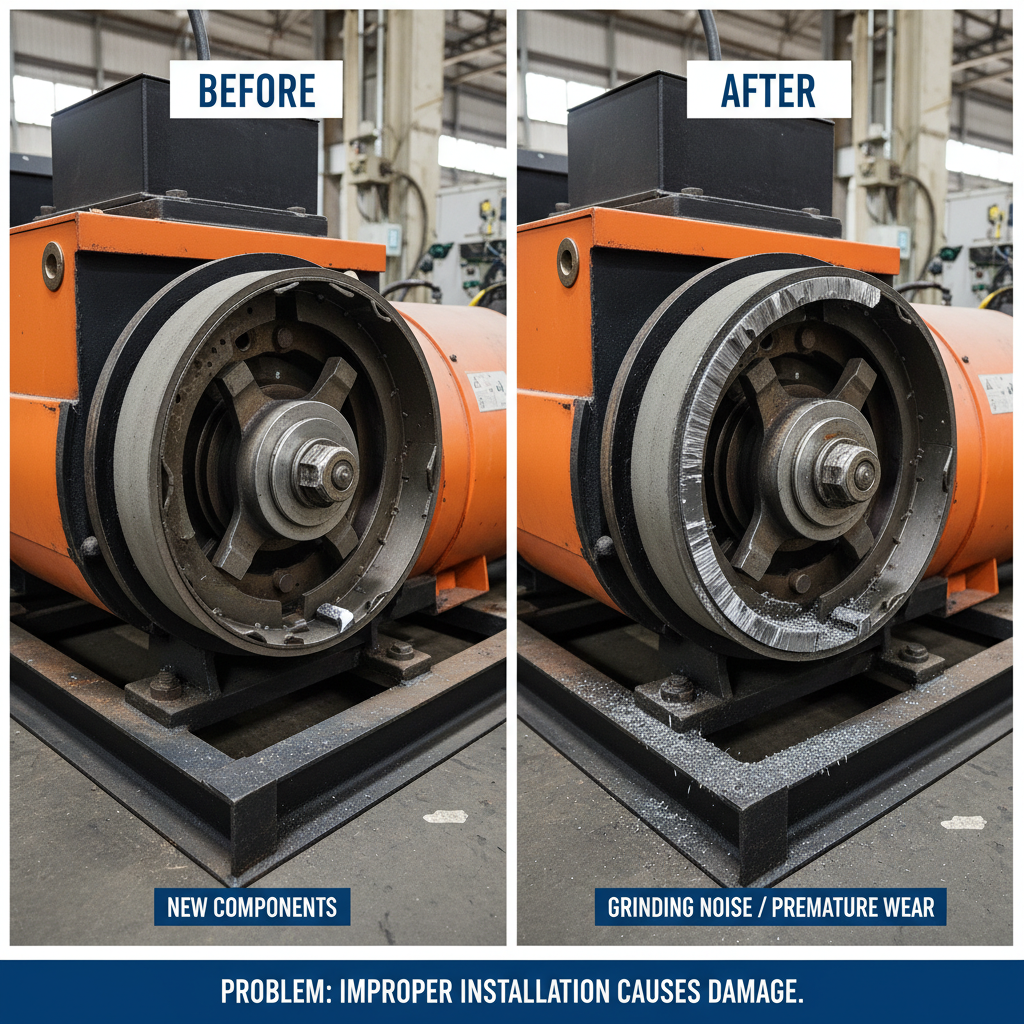
What Causes That Grinding Noise?
Several factors can lead to a grinding noise from your drum brakes after replacement. The most frequent culprits include improper installation, worn or damaged hardware, or incompatible parts. Sometimes, even a brand-new brake drum can cause noise if it hasn’t been properly seated or if the brake shoes aren’t correctly aligned. Rust buildup on the drum's surface, especially after prolonged storage, can also contribute to the noise during the initial break-in period. It’s important to methodically investigate each possibility to pinpoint the source of the issue. Ignoring the noise can lead to further damage and compromise your vehicle’s safety.
Key Considerations: Proper installation and compatible components are critical. Don't overlook seemingly minor details like lubrication and hardware condition.
Drum Brakes Grinding Noise After Replacement: Common Culprits
Let's dive deeper into some of the most common causes of grinding noises. Incorrectly installed brake shoes are a major contributor. If they are too tight or not properly seated against the drum, they will rub unevenly, creating a grinding sound. Worn or damaged wheel cylinders can also cause issues, as they may not apply even pressure to the brake shoes. Additionally, a warped or out-of-round brake drum, even a new one, will lead to uneven contact and noise. A faulty automatic adjuster can prevent the brake shoes from maintaining the correct clearance, resulting in a constant grinding sound. Addressing these issues promptly is essential for safe and efficient braking.
Common Causes Breakdown:
• Incorrectly installed brake shoes
• Worn or damaged wheel cylinders
• Warped or out-of-round brake drum
• Faulty automatic adjuster
Diagnosing the Source of the Grinding Noise
Accurate diagnosis is key. Start by visually inspecting the brake shoes, drum, and hardware for any signs of damage or wear. Check the wheel cylinders for leaks. Rotate the drum by hand and listen for any unusual noises. If you feel resistance or hear grinding, it suggests a problem with the shoes or drum surface. A thorough inspection of the automatic adjuster is also crucial. Ensure it’s moving freely and properly adjusting the brake shoes. If you’re not comfortable performing these checks yourself, it’s best to consult a qualified mechanic. At Ningchai Brake Drum, we offer expert diagnostic services to help pinpoint the exact cause of your brake noise.
Brake Drum Materials and Compatibility
Selecting the correct brake drum material is crucial for optimal performance and longevity. Different materials offer varying levels of heat dissipation, durability, and noise characteristics. Common materials include cast iron, composite, and steel. The key is ensuring compatibility with your vehicle's brake shoes. Using mismatched materials can lead to increased wear, reduced braking efficiency, and, of course, annoying noises. We at Ningchai Brake Drum provide detailed compatibility information and expert advice to help you choose the right drum for your vehicle.
Preventative Maintenance and Long-Term Solutions
Preventative maintenance is essential for avoiding these issues. Regularly inspect your brake system, including the drums, shoes, and hardware. Keep the drums clean and free of rust. Ensure the automatic adjusters are functioning correctly. If you notice any signs of wear or damage, address them promptly. Consider replacing brake shoes and drums in pairs to ensure even wear and balanced braking. By following these tips, you can extend the life of your brake system and maintain a safe and quiet driving experience.
Conclusion: Addressing Grinding Noises for Safer Braking
A grinding noise after drum brake replacement shouldn't be ignored. Identifying the cause – whether it's improper installation, worn components, or material incompatibility – is crucial for restoring safe and reliable braking performance. At Ningchai Brake Drum, we are committed to providing high-quality products and expert guidance to help you keep your vehicle operating at its best. Don't compromise on safety – address brake noises promptly!
Frequently Asked Questions (FAQs)
How long can I drive with a grinding noise in my drum brakes?
Driving with a grinding noise in your drum brakes is not recommended. The noise indicates metal-on-metal contact, which rapidly accelerates wear and tear on the brake components. Continued driving can severely damage the drums, shoes, and even the wheel cylinders, leading to much more expensive repairs. In some cases, it can also compromise your braking ability, creating a dangerous driving situation. It's best to address the issue immediately by having a qualified mechanic inspect and repair the brakes. Even a short drive with a grinding noise can significantly reduce the lifespan of your braking system.
What is the typical cost to fix a grinding noise after drum brake replacement?
The cost to fix a grinding noise after drum brake replacement can vary significantly depending on the cause. If it’s a simple issue like improper adjustment, the repair cost may be relatively low, perhaps $50-$150. However, if it requires replacing components like the brake shoes, wheel cylinders, or even the drum itself, the cost can range from $200 to $600 or more. Labor costs will also vary depending on your location and the mechanic's hourly rate. Getting a precise estimate requires a professional diagnosis.
Can I resurface the brake drums to eliminate the grinding noise?
Resurfacing brake drums is sometimes an option, but it depends on the thickness of the drum and the extent of the damage. If the drum is too thin after resurfacing, it won’t be safe to use. Also, resurfacing can sometimes introduce other issues, such as warping. In many cases, especially with newer drums, it’s more cost-effective and reliable to simply replace the drums altogether. A qualified mechanic can assess the drums and advise you on the best course of action.
How often should I inspect my drum brakes?
It's recommended to inspect your drum brakes at least twice a year, or more frequently if you drive in harsh conditions or tow heavy loads. During inspection, check the brake shoes for wear, the drums for damage, and the wheel cylinders for leaks. Also, ensure the automatic adjusters are functioning properly. Regular inspections can help you identify and address potential problems before they escalate into more serious and costly repairs.
-
Understanding Drum Brakes on Cars A Complete Guide to ReliabilityNewsApr.16,2026
-
Understanding Drum Brakes on Car for Safety and PerformanceNewsApr.09,2026
-
Comprehensive Guide to Understanding Drum Brakes on a Semi TruckNewsApr.07,2026
-
Understanding the Mechanics and Maintenance of Drum Brakes on a CarNewsApr.04,2026
-
Understanding and Fixing Drum Brakes Not Self Adjusting for Vehicle SafetyNewsMar.31,2026
-
Understanding and Fixing Issues with Drum Brakes Not Releasing EffectivelyNewsMar.28,2026
-
Nissan Sentra Drum Brakes A Comprehensive Guide to Maintenance and ReplacementNewsMar.26,2026