

Understanding and Resolving Drum Brakes Making Noise After Replacement
Drum Brakes Making Noise After Replacement: Causes and Solutions
Replacing your drum brakes should result in quiet, efficient stopping power. However, sometimes you might experience noise after the replacement. This can be frustrating and even indicate a problem. Understanding the potential causes of this noise is crucial for ensuring your safety and maintaining the longevity of your braking system. This article will explore common reasons why drum brakes might be making noise after replacement, offering practical troubleshooting steps and solutions. Proper brake maintenance is essential for vehicle safety, and addressing noise promptly can prevent more significant issues down the road.

Identifying the Type of Noise: A Diagnostic Starting Point
Before diving into potential causes, it’s helpful to pinpoint the type of noise. Is it a squeal, a grinding sound, a clicking, or a rumbling? Each sound can indicate a different issue. A squeal often suggests friction between the brake shoes and drum, while a grinding sound typically indicates metal-on-metal contact. Clicking noises can relate to loose hardware, and rumbling suggests an issue within the drum assembly. Knowing the specific sound will significantly narrow down the troubleshooting process. Paying attention to when the noise occurs—during braking, releasing the brakes, or even while driving—provides further clues. For high-quality replacement brake drums, consider reliable suppliers.
Key Noise Indicators: Different sounds suggest different problems. Squeals = friction, Grinding = metal contact, Clicking = loose parts, Rumbling = internal drum issue.
Common Causes of Drum Brake Noise After Replacement
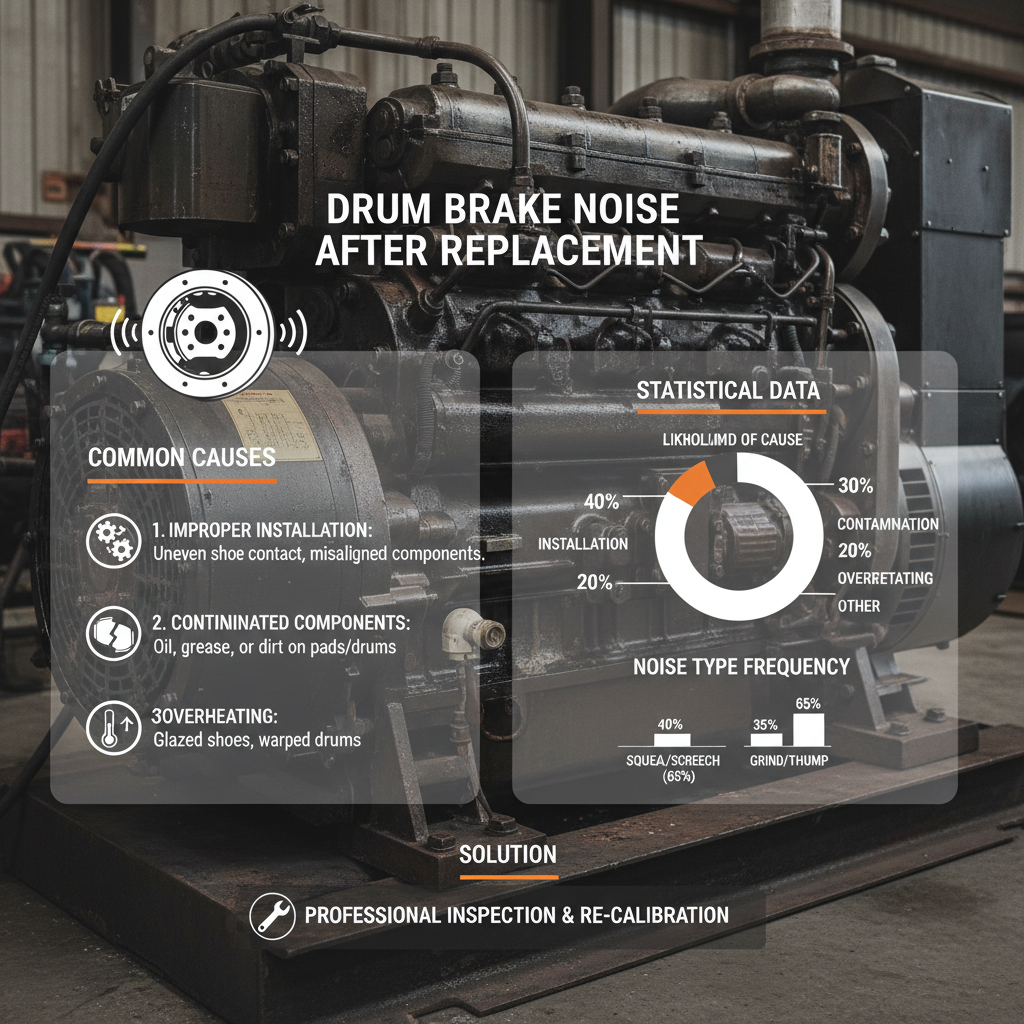
Several factors can lead to noise after replacing drum brakes. One common culprit is the brake shoes needing to ‘seat’ properly against the drum. This bedding-in process creates some initial friction and noise, which should diminish after a few hundred miles of driving. Other causes include improper adjustment, contamination, or the use of incompatible parts. It’s also possible that underlying issues, such as warped drums or damaged wheel cylinders, weren’t addressed during the initial replacement. Here are some of the most frequent causes:
Potential Noise Causes:
• Brake shoes needing to seat
• Improper adjustment of brake shoes
• Contamination with grease or oil
• Use of incorrect or low-quality brake shoes
• Warped brake drums
Drum Brakes Making Noise After Replacement: Adjustment Issues
Incorrect brake shoe adjustment is a frequent cause of noise. If the shoes are too tight, they will constantly rub against the drum, creating a squealing or grinding sound. Conversely, if they are too loose, they can rattle and cause a clicking noise. Proper adjustment ensures the shoes make firm contact when the brakes are applied, but remain clear when released. The self-adjusters within the drum brake system can sometimes malfunction, requiring manual adjustment. Regularly checking and adjusting the brakes is a vital part of vehicle maintenance. Ningchai Brake Drum provides durable and reliable drums that work effectively with properly adjusted brake shoes.
Contamination and Material Quality: Factors Affecting Noise
Contamination from grease, oil, or brake fluid can significantly contribute to brake noise. These substances reduce friction and can cause squealing or chattering. Always handle brake components with clean hands and ensure all surfaces are free of contaminants before assembly. Furthermore, the quality of the brake shoes themselves plays a crucial role. Using cheap or incompatible shoes can lead to premature wear and increased noise. Opt for reputable brands and ensure the shoes are specifically designed for your vehicle. Using high-quality brake drums alongside compatible shoes dramatically minimizes noise issues.
Addressing Underlying Issues: Drums and Wheel Cylinders
If the noise persists after addressing the adjustment and contamination issues, it’s time to investigate underlying problems. Warped brake drums can cause a pulsating sensation and noise during braking. Inspect the drums for any visible damage or distortion. Similarly, a faulty wheel cylinder can lead to uneven brake application and noise. If the wheel cylinder is leaking or seized, it needs to be replaced. Thoroughly inspecting all components during the initial replacement can prevent these issues from occurring. Investing in quality components, such as those offered by Ningchai Brake Drum, minimizes the risk of encountering these problems.
Conclusion: Resolving Drum Brake Noise for Safe Stopping
Troubleshooting drum brake noise after replacement requires a systematic approach. Starting with a careful diagnosis of the noise type and then addressing potential causes like adjustment, contamination, and underlying component issues will lead to a safe and quiet braking system. Don't hesitate to consult a qualified mechanic if you’re unsure about any aspect of the process. Remember that your safety, and the safety of others, depends on a properly functioning braking system.
Frequently Asked Questions (FAQs)
How long should it take for brake noise to disappear after a drum brake replacement?
Typically, any initial noise from brake shoe seating should subside within the first 200-300 miles of driving. If the noise persists beyond this point, it indicates an underlying issue that needs to be addressed. This could be improper adjustment, contamination, or a problem with the drum or wheel cylinder. It's crucial to investigate persistent noise to prevent further damage and ensure safe braking performance. If the noise doesn't diminish, schedule an inspection with a qualified mechanic.
Can I use brake cleaner to remove contamination from the drum brakes?
Yes, brake cleaner specifically designed for braking systems is effective for removing grease, oil, and other contaminants from the drum brakes. However, it's important to use it in a well-ventilated area and follow the manufacturer's instructions carefully. Ensure all traces of brake cleaner have evaporated before reassembling the brakes. Avoid using other cleaning agents, as they may damage the brake components. Using the right tools and cleaning products is vital.
What should I do if I suspect a warped brake drum?
If you suspect a warped brake drum, the first step is to visually inspect it for any signs of damage or distortion. You can also check for runout using a dial indicator. If the drum is indeed warped, it needs to be replaced. Continuing to drive with a warped drum can lead to uneven braking, increased wear on other components, and potentially dangerous driving conditions. Replacing the drum with a quality part from a reputable supplier like Ningchai Brake Drum is essential.
Is it normal for new brake shoes to take time to bed in?
Yes, it is entirely normal for new brake shoes to require a bedding-in period. During this time, the friction material transfers to the drum surface, creating an optimal contact patch. This process can cause some initial noise, typically a light squealing sound. Avoid hard braking during the first few hundred miles to allow the shoes to bed in properly. Gradual braking will help facilitate the transfer of material and minimize noise. This process is essential for achieving optimal braking performance and longevity.
-
Understanding Drum Brakes on Cars A Complete Guide to ReliabilityNewsApr.16,2026
-
Understanding Drum Brakes on Car for Safety and PerformanceNewsApr.09,2026
-
Comprehensive Guide to Understanding Drum Brakes on a Semi TruckNewsApr.07,2026
-
Understanding the Mechanics and Maintenance of Drum Brakes on a CarNewsApr.04,2026
-
Understanding and Fixing Drum Brakes Not Self Adjusting for Vehicle SafetyNewsMar.31,2026
-
Understanding and Fixing Issues with Drum Brakes Not Releasing EffectivelyNewsMar.28,2026
-
Nissan Sentra Drum Brakes A Comprehensive Guide to Maintenance and ReplacementNewsMar.26,2026