

Understanding and Resolving Drum Brakes Making Noise When Stopping for Vehicle Safety
Understanding and Resolving Drum Brakes Making Noise When Stopping
Experiencing unusual noises from your drum brakes when coming to a stop is a common concern for vehicle owners and technicians. These sounds – squealing, grinding, or scraping – often indicate wear and tear, or a potential issue needing immediate attention. Ignoring these noises can lead to reduced braking performance and costly repairs. This article will explore the common causes of these noises, how to diagnose them, and potential solutions, providing practical insights for maintaining safe and effective braking systems. At Ningchai Brake Drum, we specialize in high-quality brake components, helping you ensure optimal braking performance.
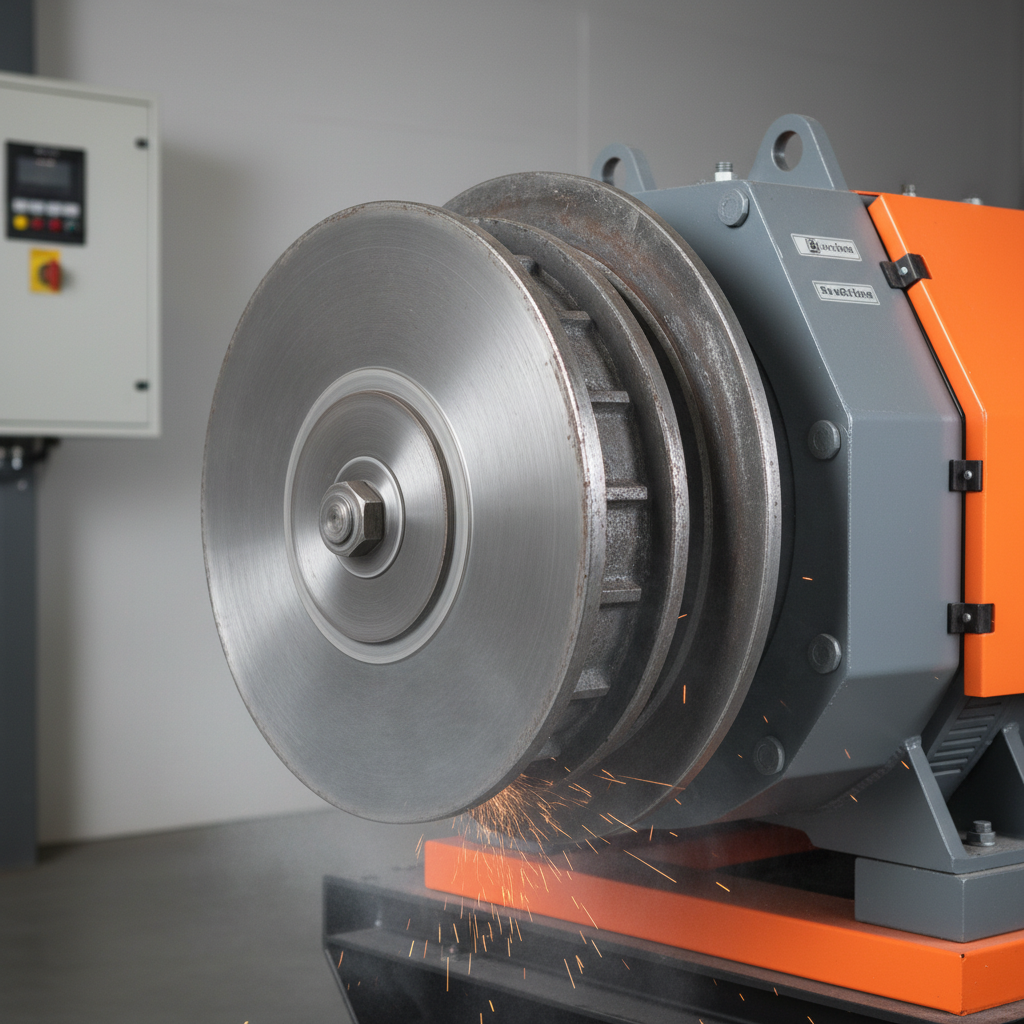
Common Causes of Drum Brake Noise
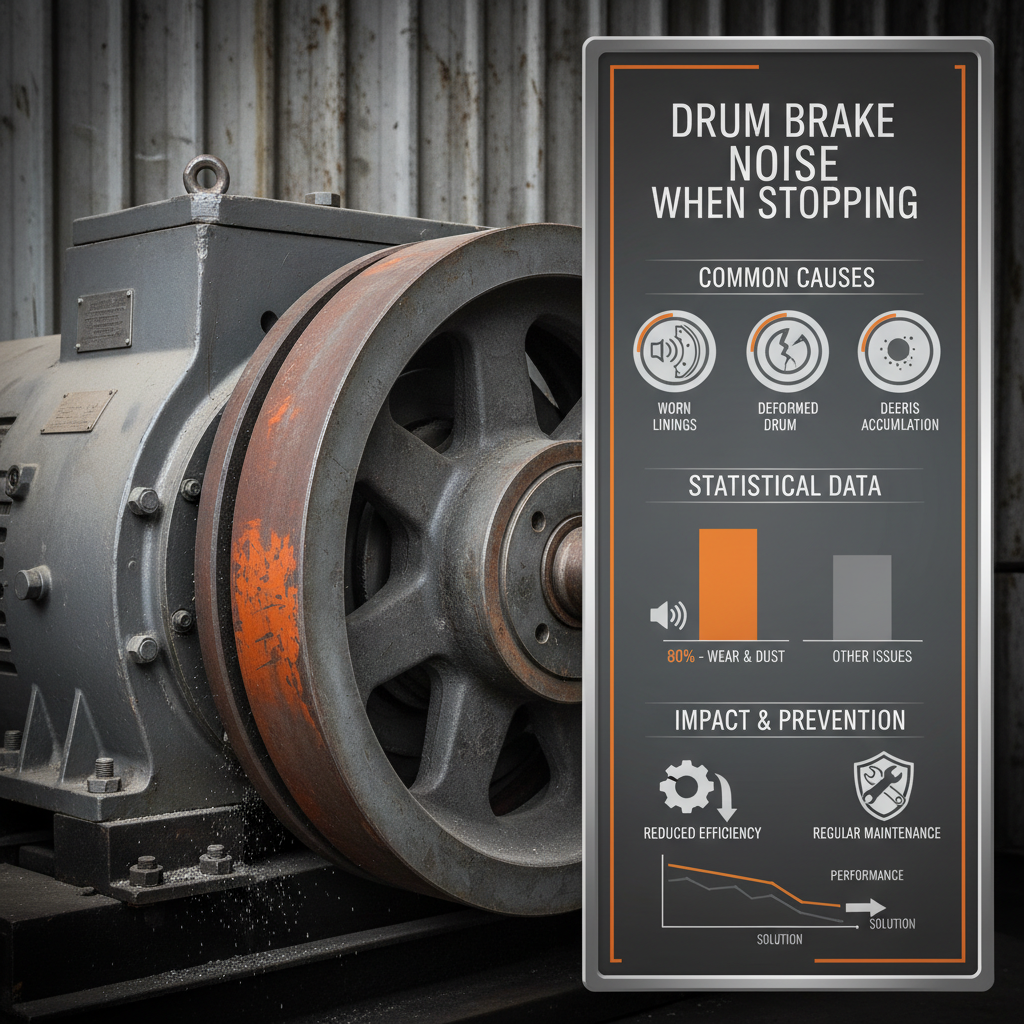
Several factors can contribute to drum brakes making noise when stopping. The most frequent culprits include worn brake shoes, glazed brake surfaces, contaminated brake linings (due to dust, dirt, or grease), and issues with the brake hardware like springs and adjusters. Rust buildup on the brake drums, especially after periods of inactivity or exposure to moisture, can also create noise. Improperly adjusted brakes, where the shoes are constantly dragging against the drum, can also lead to squealing sounds. Finally, a warped or damaged brake drum can cause significant noise and vibration.
Key Takeaway: Regular brake inspections are vital to identify and address potential issues before they escalate into larger, more expensive problems.
Diagnosing the Source of the Noise
Accurately diagnosing the source of the noise is crucial for effective repair. Start by visually inspecting the brake shoes, drums, and hardware. Look for signs of wear, glazing, or damage. Check the brake fluid level and condition – low or contaminated fluid can affect braking performance. If possible, remove the brake drum and carefully examine the brake shoes for thickness and even wear. Listen closely while someone slowly applies and releases the brakes – this can help pinpoint the location of the noise. Utilizing a brake inspection light can assist with thorough visual inspection.
Diagnostic Steps:
• Visual inspection of brake shoes and drums
• Check brake fluid level and condition
• Listen for noise during brake application
• Inspect brake hardware (springs, adjusters)
Addressing Drum Brakes Making Noise When Stopping
The solution depends on the identified cause. Worn brake shoes should be replaced with high-quality replacements, like those offered at Ningchai Brake Drum. Glazed surfaces can sometimes be lightly resurfaced, but severely glazed or damaged drums often require replacement. Cleaning or replacing contaminated brake linings is essential for restoring optimal braking performance. Ensure all brake hardware is functioning correctly – replace worn or damaged springs and adjusters. Finally, proper brake adjustment is vital to prevent dragging and noise.
Preventative Maintenance for Quiet Drum Brakes
Preventative maintenance can significantly reduce the likelihood of drum brake noise. Regularly inspect your brakes at least twice a year. Keep the brake system clean and free of debris. Ensure proper brake adjustment. Address any minor issues promptly before they escalate. Using high-quality brake components, such as those available from Ningchai Brake Drum, is also crucial for long-term reliability.
When to Seek Professional Help
If you’re uncomfortable diagnosing or repairing your drum brakes, or if the noise persists after attempting basic troubleshooting, it's best to seek professional help. A qualified mechanic can accurately identify the problem and perform the necessary repairs to ensure your braking system is functioning safely and effectively. Continuing to drive with faulty brakes can be dangerous and potentially lead to accidents.
Conclusion: Maintaining Safe and Quiet Drum Brakes
Addressing drum brake noise promptly is vital for safety and preventing costly repairs. By understanding the common causes, properly diagnosing the issue, and implementing preventative maintenance, you can ensure your brakes function optimally. For high-quality drum brake components, visit Ningchai Brake Drum today!
Frequently Asked Questions (FAQs)
What does it mean when my drum brakes squeal only when stopping?
Squealing when stopping often indicates that the brake pads or shoes are worn down to the wear indicators. These indicators are designed to create a squealing noise to alert you that replacement is needed. It can also be caused by rust buildup on the drums, particularly after a period of inactivity or exposure to moisture. Occasionally, it might be a result of vibrations in the brake hardware. Addressing this promptly is crucial to avoid further damage to the rotors or drums.
Is it normal for drum brakes to make some noise?
While completely silent brakes are ideal, some minimal noise can be considered normal, especially in certain weather conditions. However, loud or persistent noises – like grinding, scraping, or consistent squealing – are not normal and should be investigated. These noises indicate a potential problem that needs attention. Ignoring them can lead to reduced braking efficiency and potentially dangerous situations.
How often should I replace my drum brakes?
The lifespan of drum brakes varies depending on driving habits and conditions. Generally, brake shoes should be inspected every 25,000-50,000 miles. Replacement is typically necessary between 50,000 and 75,000 miles. However, if you notice any signs of wear, noise, or reduced braking performance, have them inspected sooner. It’s always better to be proactive and address potential issues before they become major problems. Using quality components from Ningchai Brake Drum can help extend the life of your brakes.
Can I resurface drum brakes?
Yes, in some cases, drum brakes can be resurfaced. However, there’s a limit to how much material can be removed during resurfacing. If the drums are too thin, resurfacing isn’t possible, and they’ll need to be replaced. Additionally, resurfacing doesn’t address underlying issues like cracks or severe warping. A professional mechanic can assess whether resurfacing is a viable option.
-
Understanding Drum Brakes on Cars A Complete Guide to ReliabilityNewsApr.16,2026
-
Understanding Drum Brakes on Car for Safety and PerformanceNewsApr.09,2026
-
Comprehensive Guide to Understanding Drum Brakes on a Semi TruckNewsApr.07,2026
-
Understanding the Mechanics and Maintenance of Drum Brakes on a CarNewsApr.04,2026
-
Understanding and Fixing Drum Brakes Not Self Adjusting for Vehicle SafetyNewsMar.31,2026
-
Understanding and Fixing Issues with Drum Brakes Not Releasing EffectivelyNewsMar.28,2026
-
Nissan Sentra Drum Brakes A Comprehensive Guide to Maintenance and ReplacementNewsMar.26,2026