

Understanding and Resolving Drum Brakes Making Noise While Driving
What Causes Drum Brakes Making Noise While Driving?
If you're hearing unsettling noises from your vehicle's brakes, particularly a squealing, grinding, or scraping sound when applying the brakes or even while driving, it's a sign your drum brakes may be signaling a problem. Ignoring these sounds can lead to more significant, and costly, repairs. This article will delve into the common causes of noisy drum brakes, how to diagnose the issue, and what steps you can take to resolve it. Understanding these issues can help you maintain your vehicle's safety and performance. We'll explore the specific sounds and what they indicate about the condition of your braking system.
Common Causes of Drum Brake Noise
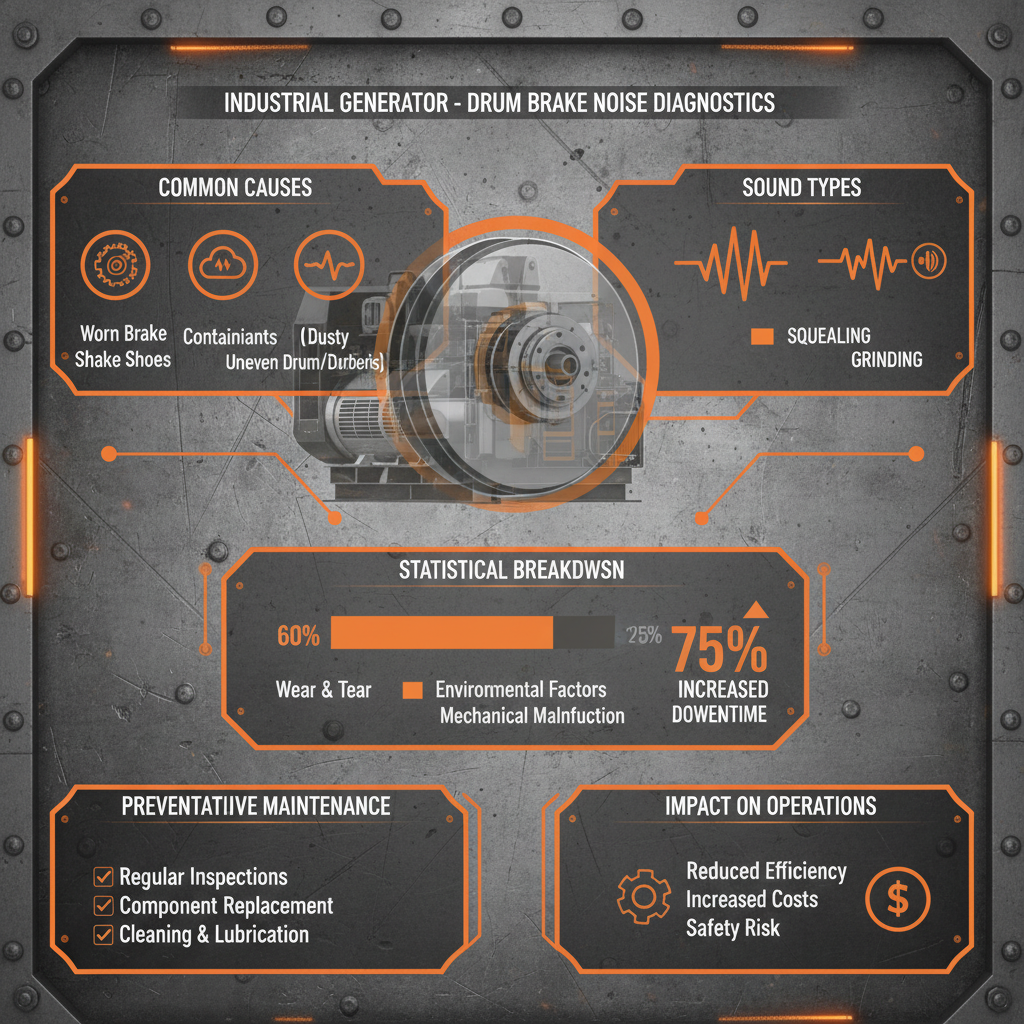
Several factors can contribute to drum brakes making noise. One of the most frequent causes is worn brake shoes. As the friction material on the shoes wears down, it becomes thinner and more likely to vibrate, causing a squealing sound. Another common issue is a worn or damaged brake drum. Grooves or irregularities on the drum surface can create friction and noise. Contamination from dust, dirt, or road debris can also accumulate within the drum, leading to grinding or scraping sounds. Finally, a loose or corroded backing plate can amplify vibrations and contribute to the noise. Maintaining your brakes with regular inspections by a professional, or purchasing quality brake drums is key to quiet and reliable operation.
Key Takeaway: Worn brake shoes, damaged drums, contamination, and loose components are the primary culprits behind noisy drum brakes.
Understanding the Different Types of Brake Noise
The type of noise your drum brakes are making can provide clues about the underlying problem. A high-pitched squeal usually indicates worn brake shoes, or the brake shoes are glazed. A grinding sound suggests that the brake shoes have worn down to the metal backing plate, causing metal-on-metal contact with the drum. A scraping noise could be due to a warped or damaged brake drum, or debris caught between the shoes and the drum. A rhythmic clicking or clunking sound might indicate a loose backing plate or other hardware. Accurately identifying the sound is the first step in diagnosing the issue. A thorough inspection of your drum brakes is recommended to confirm the source of the noise.
Brake Noise Guide:
• Squeal: Worn brake shoes or glazing.
• Grinding: Metal-on-metal contact, severely worn brake shoes.
• Scraping: Warped drum or debris.
• Clicking/Clunking: Loose components.
Drum Brakes Making Noise While Driving vs. During Braking
Whether the noise occurs while driving or only during braking is a crucial distinction. Noise present only when braking typically points to issues with the friction surfaces – worn shoes or a damaged drum. However, if you hear the noise even when you're not applying the brakes, it suggests a more persistent problem, such as a warped drum, a dragging brake, or a loose component that's vibrating. A dragging brake can generate heat and constant noise, and can also reduce fuel efficiency. Addressing the issue promptly is essential to prevent further damage. Consider a professional inspection to identify the source of the continuous noise.
Preventative Maintenance for Quieter Drum Brakes
Regular maintenance can significantly reduce the likelihood of noisy drum brakes. This includes periodic inspections of the brake shoes, drums, and hardware. Cleaning the brakes to remove dust and debris is also important. During brake pad replacement, it’s a good idea to inspect the drums and shoes for wear. Ensure the backing plate is securely fastened. Using high-quality brake components, such as those offered by Ningchai Brake Drum, can also contribute to longer-lasting and quieter brakes. Finally, avoid aggressive braking, which can accelerate wear and tear on the braking system.
When to Seek Professional Help
While some minor brake noise can be addressed with simple maintenance, it’s crucial to seek professional help if the noise is loud, persistent, or accompanied by other symptoms, such as reduced braking performance or a pulsating brake pedal. Ignoring significant brake noise can lead to more severe damage, compromising your safety. A qualified mechanic can accurately diagnose the problem and recommend the appropriate repairs. They have the tools and expertise to safely and effectively restore your braking system. Don’t hesitate to consult a professional if you’re unsure about the condition of your brakes.
Conclusion: Maintaining Safe and Quiet Drum Brakes
Addressing drum brake noise promptly is crucial for maintaining your vehicle's safety and performance. By understanding the common causes, recognizing the different types of noise, and practicing preventative maintenance, you can keep your brakes in optimal condition. Don't hesitate to seek professional help if you suspect a serious issue. Investing in quality brake drums and regular inspections can save you time, money, and potential accidents.
Frequently Asked Questions (FAQs)
How often should I inspect my drum brakes?
It's recommended to inspect your drum brakes at least once a year, or more frequently if you drive in harsh conditions or experience frequent braking. During an inspection, check the brake shoes for wear, the drums for damage, and ensure all hardware is securely fastened. Also, visually assess the brake fluid level and condition. Professional inspections are often included as part of routine vehicle maintenance.
Can I replace brake shoes myself?
Replacing brake shoes is a moderately complex task that requires mechanical knowledge and the proper tools. While it’s possible to do it yourself, it’s crucial to follow the manufacturer's instructions carefully and exercise extreme caution. Incorrect installation can compromise braking performance and create a safety hazard. If you're not comfortable with the process, it’s best to leave it to a qualified mechanic.
What is brake glazing and how does it cause noise?
Brake glazing occurs when the brake shoes overheat, causing the friction material to melt and create a smooth, glassy surface. This reduces the coefficient of friction, resulting in a squealing or chirping sound. Glazing can be caused by aggressive braking or prolonged use of the brakes. In some cases, the glazing can be worn off with normal use, but severe glazing may require the brake shoes to be replaced.
Are there any specific driving habits that can contribute to drum brake noise?
Aggressive braking, such as hard stops, can accelerate wear on the brake shoes and drums. Prolonged riding of the brakes, such as descending a long hill, can also cause overheating and glazing. Avoiding these habits can help extend the life of your brakes and reduce the likelihood of noise. Gentle and controlled braking is the best practice.
-
Understanding Drum Brakes on Cars A Complete Guide to ReliabilityNewsApr.16,2026
-
Understanding Drum Brakes on Car for Safety and PerformanceNewsApr.09,2026
-
Comprehensive Guide to Understanding Drum Brakes on a Semi TruckNewsApr.07,2026
-
Understanding the Mechanics and Maintenance of Drum Brakes on a CarNewsApr.04,2026
-
Understanding and Fixing Drum Brakes Not Self Adjusting for Vehicle SafetyNewsMar.31,2026
-
Understanding and Fixing Issues with Drum Brakes Not Releasing EffectivelyNewsMar.28,2026
-
Nissan Sentra Drum Brakes A Comprehensive Guide to Maintenance and ReplacementNewsMar.26,2026