

Comprehensive Guide to Drum Brakes Adjustment Up or Down for Vehicle Safety
Drum Brakes Adjustment Up or Down: A Comprehensive Guide
Understanding how to properly adjust your drum brakes is crucial for maintaining vehicle safety and performance. This guide will delve into the process of drum brake adjustment, specifically addressing whether to adjust them 'up' or 'down'. We’ll cover the fundamentals of drum brake operation, common signs of needing adjustment, a step-by-step adjustment procedure, and the potential consequences of improper adjustment. Ensuring your drum brakes are correctly set up is a vital part of vehicle maintenance.
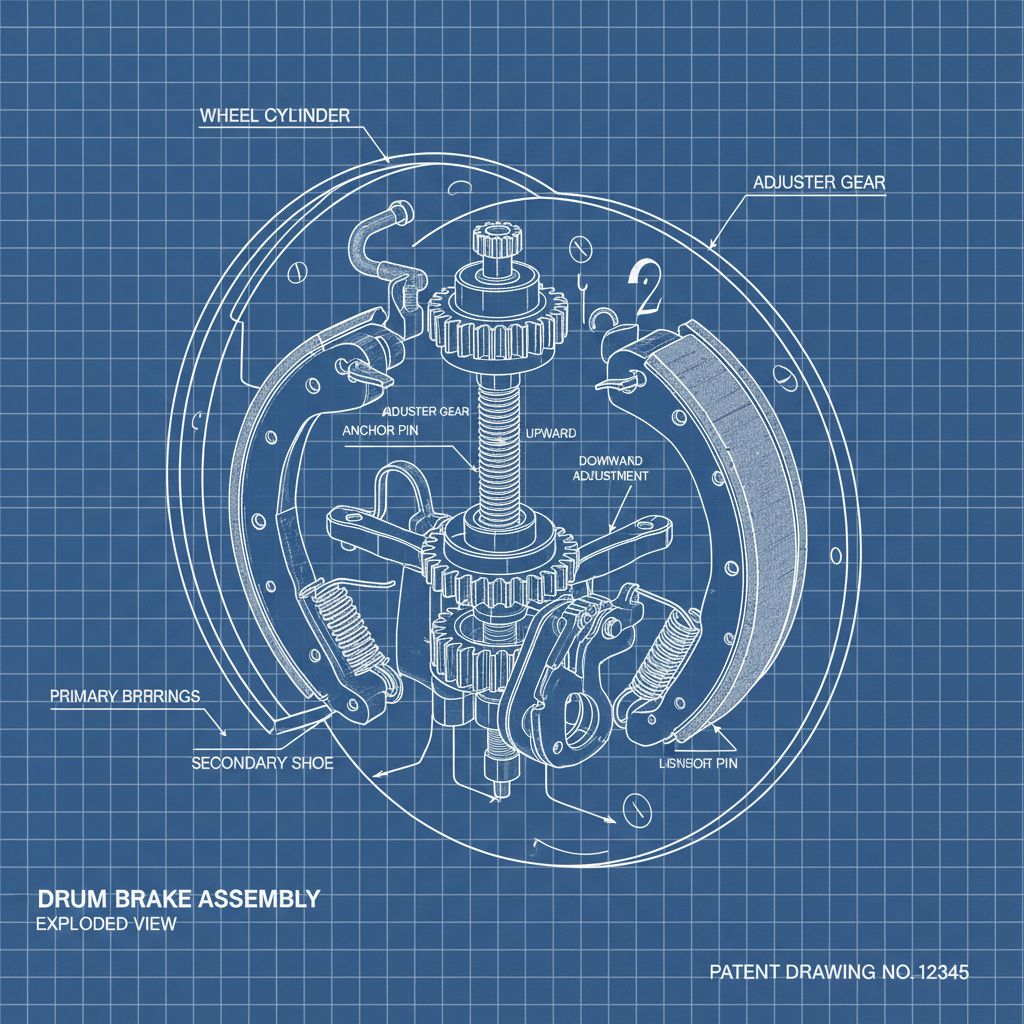
Understanding Drum Brake Operation
Drum brakes rely on friction created when brake shoes press against the inner surface of a rotating drum. When you apply the brakes, hydraulic pressure forces the brake shoes outwards. Over time, the brake shoes wear down, and the distance they need to travel to make contact with the drum increases. This is where adjustment comes in. The goal of adjustment is to maintain the proper clearance between the shoes and the drum, ensuring efficient braking. Adjustments are made via a self-adjuster mechanism or, in older vehicles, manually through an access port on the backing plate. Proper brake function relies on consistently maintained adjustments.
Drum Brakes Adjustment Up or Down: Which Way to Go?
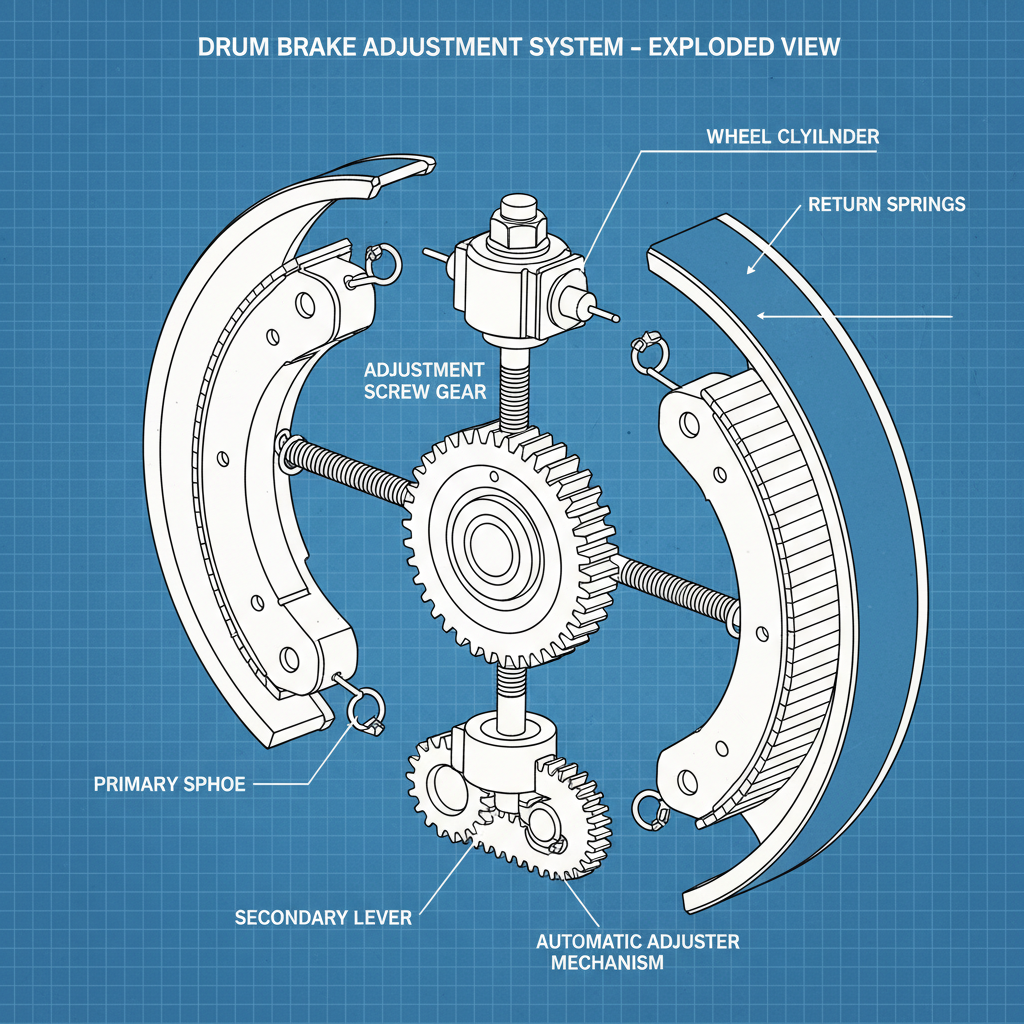
The common question of whether to adjust drum brakes “up” or “down” refers to the direction you turn the adjuster wheel. Generally, you adjust up (clockwise) to tighten the shoes and down (counterclockwise) to loosen them. However, it's not always that simple. Modern self-adjusting drum brakes usually only allow for adjustments in one direction, automatically tightening the shoes until they reach a pre-set limit. Manual adjustments require careful attention to avoid over-tightening. Over-tightening leads to dragging brakes, reduced fuel efficiency, and premature wear on both the shoes and the drum. A slow and deliberate approach is key.
Key Adjustment Principle: Always adjust in small increments, checking for free wheel rotation and brake drag after each adjustment.
Signs Your Drum Brakes Need Adjustment
Several symptoms indicate your drum brakes may require adjustment. These include: a spongy or low brake pedal, increased stopping distances, pulling to one side during braking, unusual noises (squealing or grinding), and a parking brake that doesn’t hold the vehicle securely. Furthermore, if you notice excessive heat radiating from the wheels after driving, it could indicate dragging brakes due to improper adjustment. Addressing these issues promptly is vital for safety. Regular brake inspections, ideally during routine vehicle maintenance, can identify problems before they become serious.
Common Brake Adjustment Indicators:
• Spongy or Low Brake Pedal
• Increased Stopping Distances
• Pulling to One Side During Braking
• Unusual Noises (Squealing or Grinding)
Step-by-Step Drum Brake Adjustment Procedure
Here's a general procedure for manual drum brake adjustment (always consult your vehicle’s service manual for specific instructions):
1. Loosen the Lug Nuts: On the wheel you’re working on.
2. Jack Up the Vehicle: Securely support the vehicle with jack stands.
3. Remove the Wheel: Gain access to the brake drum.
4. Locate the Adjuster Wheel: It’s usually visible through an access hole in the backing plate.
5. Adjust the Shoes: Using a brake adjustment tool, turn the adjuster wheel clockwise to tighten the shoes, or counterclockwise to loosen them. Adjust in small increments.
6. Check for Free Rotation: Spin the drum; it should rotate freely with a slight drag.
7. Repeat on the Other Side: Ensure both sides are adjusted evenly.
8. Reinstall the Wheel: Tighten the lug nuts to the correct torque specification.
The Importance of High-Quality Brake Components
The effectiveness of your brake adjustment is only as good as the components you’re working with. Using high-quality brake shoes, drums, and hardware is essential for optimal performance and safety. Ningchai Brake Drum offers a wide range of durable and reliable drum brake components designed to meet or exceed OEM specifications. Investing in quality parts ensures longevity and consistent braking power.
Conclusion: Maintaining Safe and Reliable Drum Brakes
Understanding the process of drum brake adjustment – knowing whether to go 'up' or 'down' – is a crucial skill for any vehicle owner or mechanic. Regular inspection, proper adjustment, and the use of high-quality components like those offered by Ningchai Brake Drum, are key to ensuring safe and reliable stopping power. Don't compromise on brake safety – take the time to maintain your system properly.
Frequently Asked Questions (FAQs)
How often should I adjust my drum brakes?
The frequency of adjustment depends on your driving habits and the condition of your brake shoes. As a general guideline, inspect your drum brakes every 6,000 to 8,000 miles, or during every oil change. If you notice any of the symptoms mentioned earlier – such as a spongy pedal or increased stopping distances – it’s time for an adjustment. Self-adjusting brakes may require less frequent attention, but they still need periodic inspection to ensure they are functioning correctly.
What happens if drum brakes are adjusted too tightly?
Adjusting drum brakes too tightly causes the brake shoes to drag against the drum, even when the brakes aren't applied. This leads to several problems, including reduced fuel efficiency, excessive heat buildup, premature wear of the brake shoes and drum, and potential damage to the wheel bearings. In severe cases, dragging brakes can even cause the vehicle to pull to one side or make it difficult to steer.
Can I adjust drum brakes myself, or should I take it to a mechanic?
If you have some mechanical experience and are comfortable working on brakes, you can adjust drum brakes yourself. However, it's crucial to follow the correct procedure and exercise caution. If you’re unsure or lack the necessary tools, it’s best to take your vehicle to a qualified mechanic. Incorrect brake adjustments can compromise safety, so it’s always better to err on the side of caution.
What are the advantages of using high-quality drum brake components?
High-quality drum brake components, such as those available from Ningchai Brake Drum, offer several advantages. They provide superior stopping power, longer lifespan, increased durability, and improved resistance to wear and tear. Using quality parts ensures reliable performance and enhances your vehicle’s overall safety.
-
Understanding Drum Brakes on Cars A Complete Guide to ReliabilityNewsApr.16,2026
-
Understanding Drum Brakes on Car for Safety and PerformanceNewsApr.09,2026
-
Comprehensive Guide to Understanding Drum Brakes on a Semi TruckNewsApr.07,2026
-
Understanding the Mechanics and Maintenance of Drum Brakes on a CarNewsApr.04,2026
-
Understanding and Fixing Drum Brakes Not Self Adjusting for Vehicle SafetyNewsMar.31,2026
-
Understanding and Fixing Issues with Drum Brakes Not Releasing EffectivelyNewsMar.28,2026
-
Nissan Sentra Drum Brakes A Comprehensive Guide to Maintenance and ReplacementNewsMar.26,2026