

Is Drum Brakes Better Than Disc Brakes A Comprehensive Guide
Are Drum Brakes Better Than Disc Brakes? A Comprehensive Analysis
When considering vehicle braking systems, the debate between drum brakes and disc brakes is a common one. While disc brakes are often favored in modern vehicles, drum brakes still hold significant advantages in certain applications. This article delves into a detailed comparison of these two braking systems, exploring their pros and cons, performance characteristics, and suitability for various vehicles. We will explore the key differences and offer a balanced perspective on whether drum brakes can genuinely be better than disc brakes in specific scenarios.
Understanding Drum Brakes: How They Work
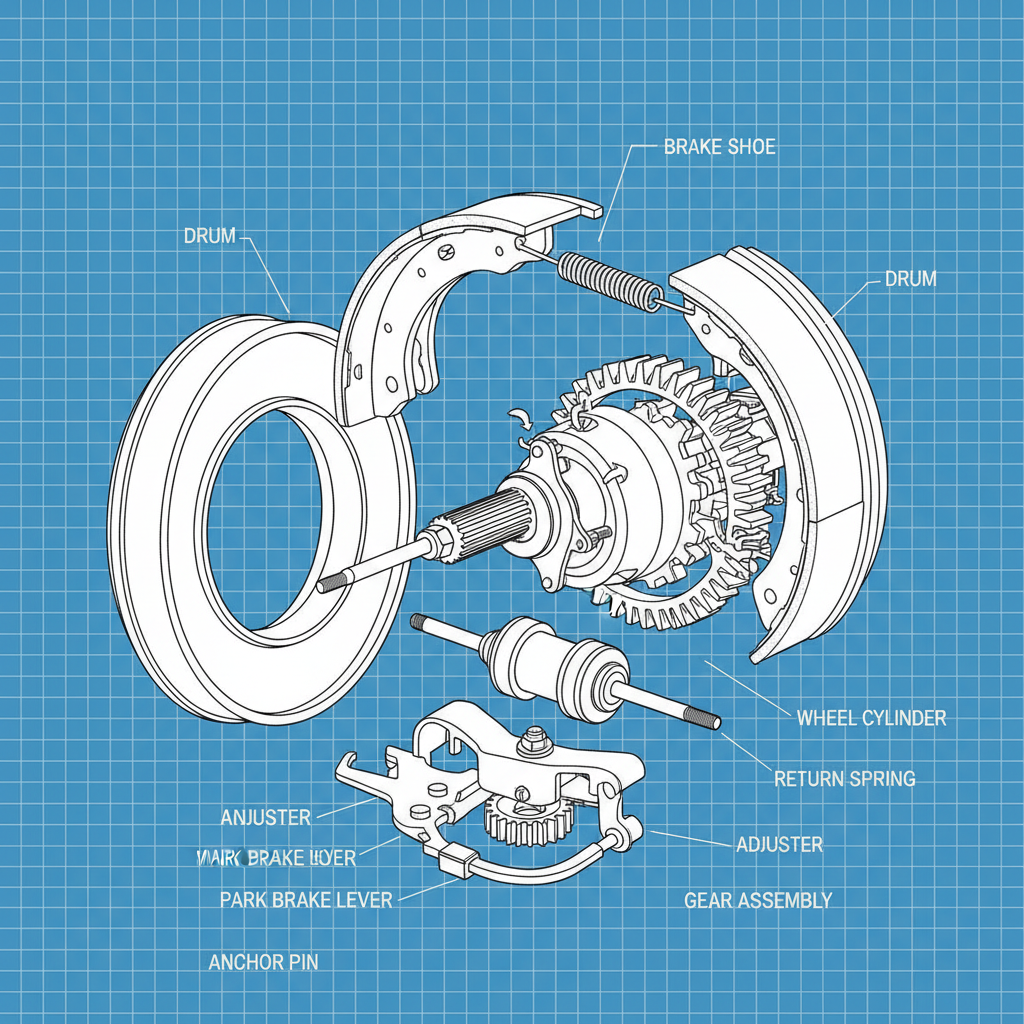
Drum brakes operate by using brake shoes pressing outwards against the inner surface of a rotating drum. When the brake pedal is depressed, hydraulic pressure forces the shoes against the drum, creating friction and slowing the vehicle. This design has been around for decades and is known for its simplicity and affordability. A key benefit is the self-energizing effect – as the shoes press against the drum, it increases the braking force. Furthermore, drum brakes are largely sealed, protecting the braking components from debris and water, which can be advantageous in certain environments. Ningchai Brake Drum specializes in high-quality, durable drum brake components for a range of applications.
Key Highlights: Drum brakes utilize brake shoes pressed against a rotating drum, offering simplicity, affordability, and protection from debris.
Disc Brakes: A Modern Approach
Disc brakes, on the other hand, employ calipers that squeeze brake pads against a rotating rotor (disc). This system provides more consistent braking force and better heat dissipation compared to drum brakes. The open design of disc brakes also allows for easier inspection and maintenance. They offer superior stopping power, especially under demanding conditions. The design allows water to easily escape from the braking surface, preventing brake fade, a critical benefit for safety.
Disc Brake Advantages:
• Superior stopping power
• Better heat dissipation
• Improved wet weather performance
• Easier maintenance
Drum Brakes Better Than Disc? A Detailed Comparison
While disc brakes generally outperform drum brakes in terms of stopping power and heat dissipation, there are situations where drum brakes are the better choice. For heavier vehicles, such as trucks and some SUVs, drum brakes on the rear axle can provide superior stopping power due to their larger surface area and self-energizing effect. They’re also more cost-effective for these applications. Furthermore, the enclosed design of drum brakes offers better protection against corrosion and debris, making them suitable for off-road vehicles or those operating in harsh environments. Ningchai Brake Drum provides robust solutions tailored for these challenging conditions.
Applications Where Drum Brakes Still Excel
As mentioned, drum brakes remain prevalent in heavier vehicles, particularly on the rear axles. This is due to their cost-effectiveness and ability to handle larger braking loads. They are also frequently found in parking brake systems, as the mechanical advantage provided by the drum design makes it easier to hold a vehicle stationary. In some off-road vehicles, the sealed nature of drum brakes offers protection against mud, sand, and other debris. Ningchai Brake Drum manufactures components for these specific applications, ensuring reliability in demanding environments.
Data & Trends: Brake System Usage
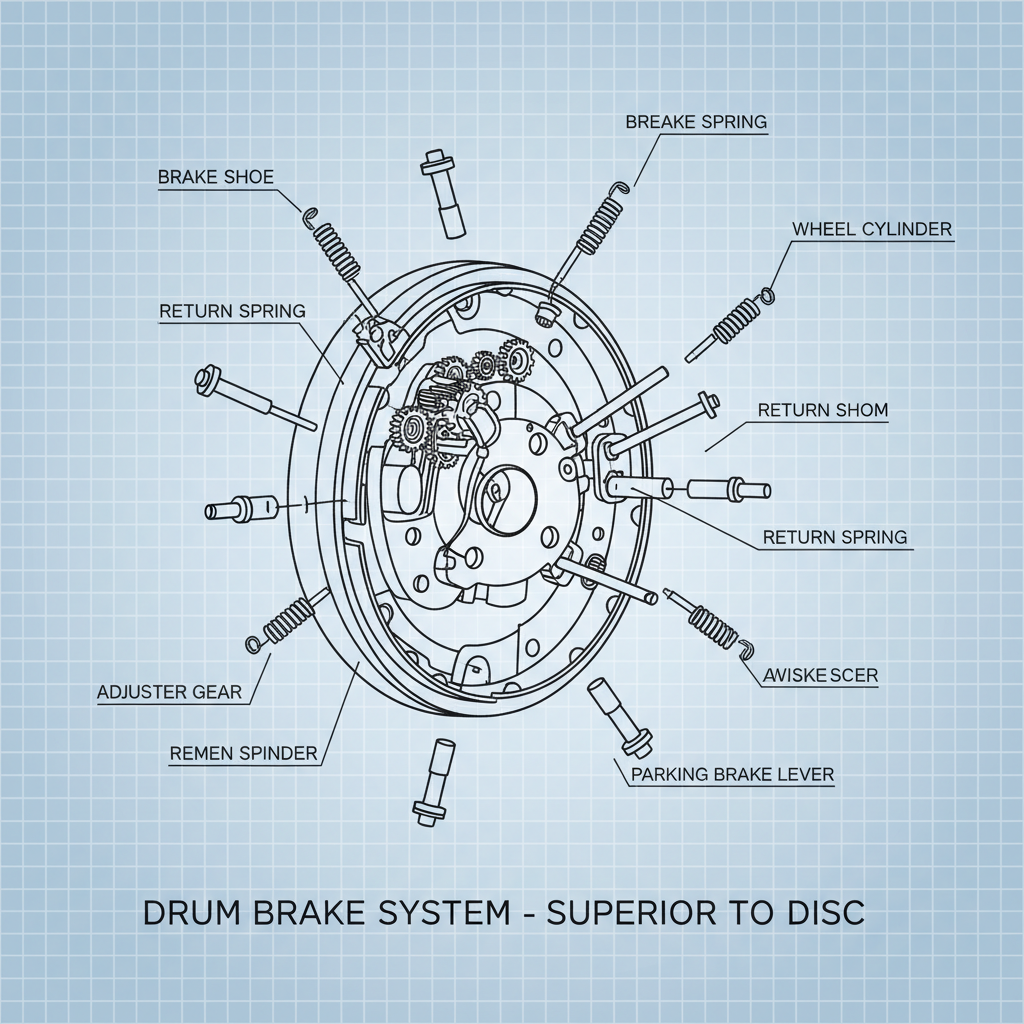
Recent industry data indicates a trend toward disc brakes becoming standard on all four wheels of passenger vehicles. However, drum brakes continue to hold a significant market share, particularly in commercial vehicles and emerging markets. According to a 2023 report by Automotive World, approximately 35% of new light-duty trucks still utilize drum brakes on the rear axle, citing cost and durability as key factors. The graphic below illustrates this trend:
[Insert Data Chart Here: Bar graph showing percentage of vehicles with disc brakes vs. drum brakes over the past 5 years, highlighting the continuing use of drum brakes in trucks and commercial vehicles.]
Conclusion: Choosing the Right Braking System
Ultimately, the question of whether drum brakes are better than disc brakes isn't a simple one. It depends entirely on the application. While disc brakes offer superior performance in many scenarios, drum brakes remain a viable and cost-effective solution for heavier vehicles and certain specialized applications. By understanding the strengths and weaknesses of each system, vehicle manufacturers and owners can make informed decisions that prioritize safety and efficiency.
Frequently Asked Questions (FAQs)
Are drum brakes as reliable as disc brakes?
Generally, both drum and disc brakes can be highly reliable with proper maintenance. However, disc brakes are often considered more reliable in extreme conditions due to their better heat dissipation and resistance to fade. Drum brakes, when properly sealed and maintained, can offer excellent durability, particularly in environments where debris and moisture are concerns. The longevity of both systems is highly dependent on driving habits and maintenance schedules. Choosing quality components, like those offered by Ningchai Brake Drum, contributes significantly to reliability.
What are the common maintenance requirements for drum brakes?
Regular maintenance for drum brakes includes inspecting the brake shoes, drums, and wheel cylinders for wear and tear. The brake fluid should be checked and replaced periodically. Adjusting the brake shoes to compensate for wear is crucial for maintaining optimal braking performance. It’s also essential to keep the drum brakes clean and free from contaminants. More frequent inspections are recommended for vehicles operating in harsh conditions.
Can drum brakes be used on all types of vehicles?
While drum brakes were once commonplace on all vehicles, they are now primarily used on the rear axles of trucks, SUVs, and some older passenger cars. Modern passenger cars typically utilize disc brakes on all four wheels due to their superior performance and safety characteristics. However, drum brakes remain a viable option for certain applications where cost and durability are paramount.
What is brake fade, and how does it relate to drum vs. disc brakes?
Brake fade occurs when the braking components overheat, reducing their ability to generate friction. This results in a decrease in stopping power. Disc brakes are less susceptible to brake fade due to their open design, which allows for better heat dissipation. Drum brakes, with their enclosed design, tend to trap heat, making them more prone to fade under prolonged or heavy braking.
-
Understanding Drum Brakes on Cars A Complete Guide to ReliabilityNewsApr.16,2026
-
Understanding Drum Brakes on Car for Safety and PerformanceNewsApr.09,2026
-
Comprehensive Guide to Understanding Drum Brakes on a Semi TruckNewsApr.07,2026
-
Understanding the Mechanics and Maintenance of Drum Brakes on a CarNewsApr.04,2026
-
Understanding and Fixing Drum Brakes Not Self Adjusting for Vehicle SafetyNewsMar.31,2026
-
Understanding and Fixing Issues with Drum Brakes Not Releasing EffectivelyNewsMar.28,2026
-
Nissan Sentra Drum Brakes A Comprehensive Guide to Maintenance and ReplacementNewsMar.26,2026