

Mastering Drum Brake Spring Tricks for Enhanced Vehicle Safety and Performance
Drum Brake Spring Tricks: Optimizing Performance and Longevity
Maintaining a properly functioning drum brake system is crucial for vehicle safety and performance. Often overlooked, the drum brake springs play a vital role in retracting the brake shoes and ensuring consistent braking force. This article dives into several drum brake spring tricks, covering inspection, proper installation, and troubleshooting common issues. We’ll explore how to optimize your brake system and extend the life of your components. Neglecting these small but essential parts can lead to decreased braking efficiency and potentially dangerous situations.
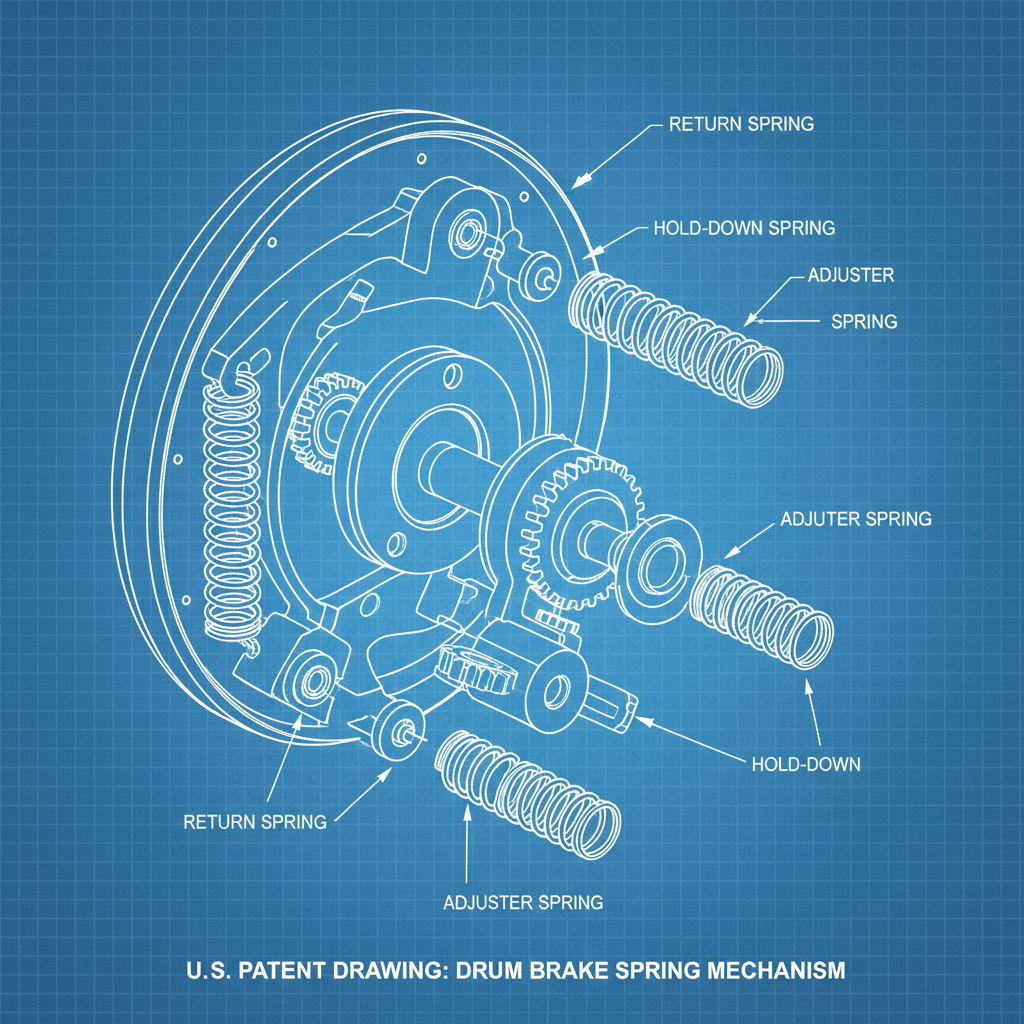
Understanding the Role of Drum Brake Springs
Drum brake springs are responsible for retracting the brake shoes away from the drum when the brake pedal is released. There are typically two main types: the hold-down spring and the return spring. The hold-down spring secures the brake shoes to the backplate, preventing them from drifting when not applied. The return spring pulls the shoes back into their resting position. Worn or damaged springs can cause a variety of issues, including reduced braking force, squealing noises, and even complete brake failure. Regularly inspecting these components is a proactive step towards maintaining vehicle safety.
Key Highlights: Proper spring function ensures quick brake shoe retraction, preventing dragging and overheating. Regular inspection and replacement are essential for optimal performance.
Inspection Techniques for Drum Brake Springs
A thorough inspection is the first step in identifying potential problems. Look for signs of corrosion, cracking, or stretching. Use a small pry bar to gently test the spring’s tension. If the spring feels weak or easily bends, it’s likely time for replacement. Also, check the spring seats on the backplate for damage or wear. Damaged seats can prevent the springs from functioning properly. It’s best practice to replace springs in pairs, even if only one appears damaged, to ensure balanced braking performance. Ningchai Brake Drum offers a comprehensive range of high-quality replacement springs.
Inspection Checklist:
• Check for visible cracks or corrosion
• Test spring tension with a pry bar
• Inspect spring seats for damage
• Replace springs in pairs
Drum Brake Spring Tricks: Proper Installation Techniques
Correct installation is as crucial as selecting the right springs. Always use a spring compressor tool to safely compress the brake shoes during installation and removal. Never attempt to manipulate the springs with your hands, as this can lead to injury. Ensure the springs are seated correctly in their designated slots on the backplate. Lubricating the spring seats with a small amount of brake grease can help prevent corrosion and facilitate future removal. Double-check that the springs are properly secured before reassembling the drum brake components.
Troubleshooting Common Drum Brake Spring Issues
Common issues include squealing noises, reduced braking power, and brake drag. Squealing is often caused by worn springs or debris caught between the brake shoes and drum. Reduced braking power can indicate a weak or broken spring, preventing full shoe engagement. Brake drag, where the brakes apply even when the pedal is released, can be a sign of a distorted or incorrectly installed spring. Addressing these issues promptly prevents further damage to the brake system. If you are not comfortable performing these repairs yourself, consult a qualified mechanic.
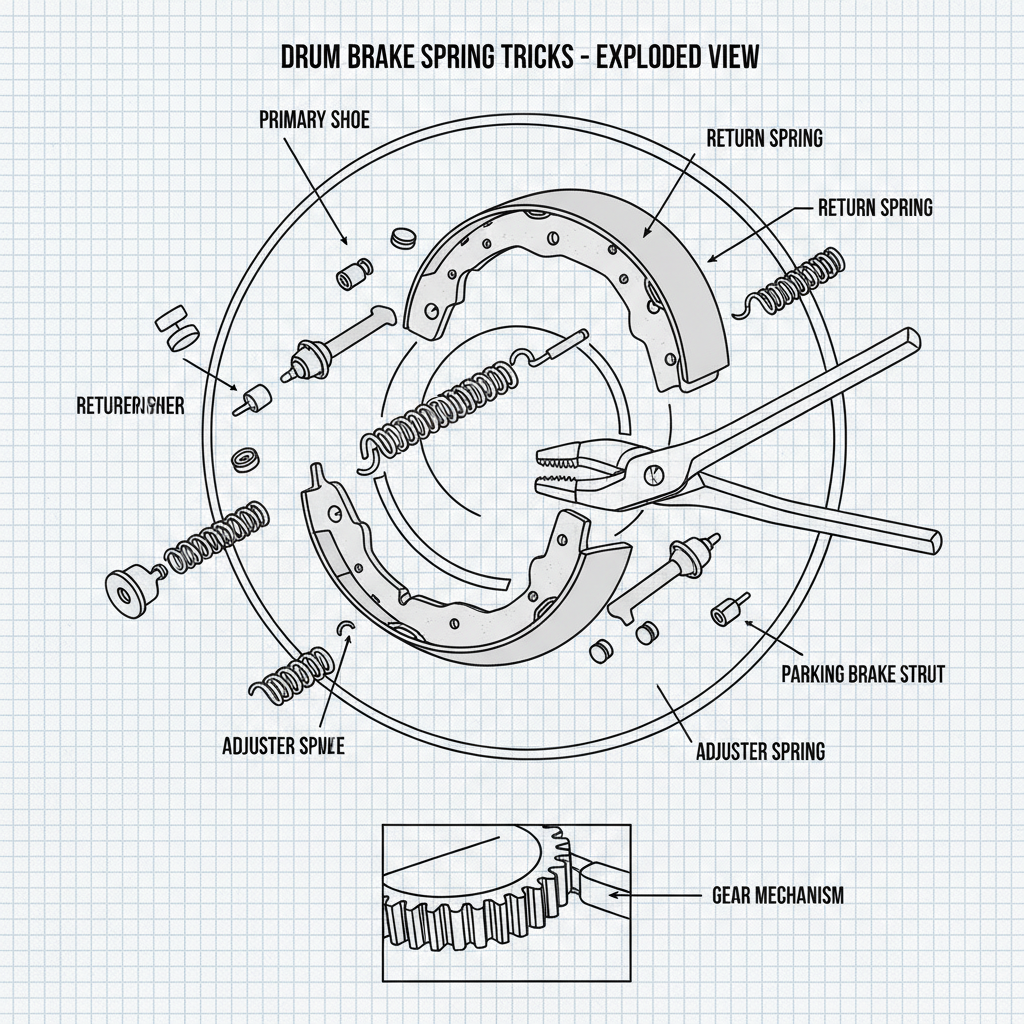
The Importance of Quality Replacement Parts
Using high-quality replacement springs is paramount for long-term brake system reliability. Inferior springs may be made from weaker materials, leading to premature failure. Ningchai Brake Drum sources only premium-grade materials to ensure our springs meet or exceed OEM specifications. Investing in quality parts now can save you time and money in the long run by preventing frequent replacements and potential safety hazards.
Conclusion: Maintaining a Safe and Efficient Brake System
Regularly inspecting and maintaining your drum brake springs is a vital aspect of vehicle safety. By following the drum brake spring tricks outlined in this article, you can ensure optimal braking performance and extend the life of your brake system. Don't compromise on safety – prioritize quality parts and proper installation.
Frequently Asked Questions (FAQs)
How often should I inspect my drum brake springs?
It’s recommended to inspect your drum brake springs at least once a year, or whenever you notice any changes in your braking performance. More frequent inspections are advised if you drive in harsh conditions, such as dusty or corrosive environments. During a brake inspection, visually assess the springs for signs of wear, corrosion, or damage. Also, listen for any unusual noises coming from the brakes, which could indicate a problem with the springs.
Can I replace drum brake springs myself?
Replacing drum brake springs is a moderately complex task that requires some mechanical knowledge and the right tools, including a spring compressor. If you are comfortable working on brakes and have the necessary experience, you can perform this repair yourself. However, if you are unsure or lack the proper tools, it’s best to leave it to a qualified mechanic. Improperly installed springs can compromise brake safety.
What causes drum brake springs to break?
Several factors can contribute to drum brake spring breakage, including corrosion from road salt and moisture, metal fatigue from repeated stress, and manufacturing defects. Over time, the constant flexing and tension can weaken the spring material, making it susceptible to cracking and breaking. Regular inspection and preventative maintenance, such as lubricating the spring seats, can help prolong their lifespan.
What are the symptoms of a broken drum brake spring?
Symptoms of a broken drum brake spring can include squealing or grinding noises coming from the brakes, reduced braking power, uneven braking, and brake drag. In some cases, the brake shoes may become loose and rattle around inside the drum. If you experience any of these symptoms, it’s important to have your brakes inspected immediately.
-
Understanding Drum Brakes on Cars A Complete Guide to ReliabilityNewsApr.16,2026
-
Understanding Drum Brakes on Car for Safety and PerformanceNewsApr.09,2026
-
Comprehensive Guide to Understanding Drum Brakes on a Semi TruckNewsApr.07,2026
-
Understanding the Mechanics and Maintenance of Drum Brakes on a CarNewsApr.04,2026
-
Understanding and Fixing Drum Brakes Not Self Adjusting for Vehicle SafetyNewsMar.31,2026
-
Understanding and Fixing Issues with Drum Brakes Not Releasing EffectivelyNewsMar.28,2026
-
Nissan Sentra Drum Brakes A Comprehensive Guide to Maintenance and ReplacementNewsMar.26,2026