

Nissan Sentra Drum Brakes A Comprehensive Guide to Maintenance and Replacement
Drum Brakes Nissan Sentra: A Comprehensive Guide
Maintaining your Nissan Sentra's braking system is crucial for safety and performance. Drum brakes Nissan Sentra are a common component in many models, providing reliable stopping power. This article will provide a detailed overview of drum brakes on the Nissan Sentra, covering their function, common issues, maintenance, and when replacement is necessary. Understanding your brake system will empower you to keep your vehicle running smoothly and safely. We will also discuss where to source quality replacement parts.
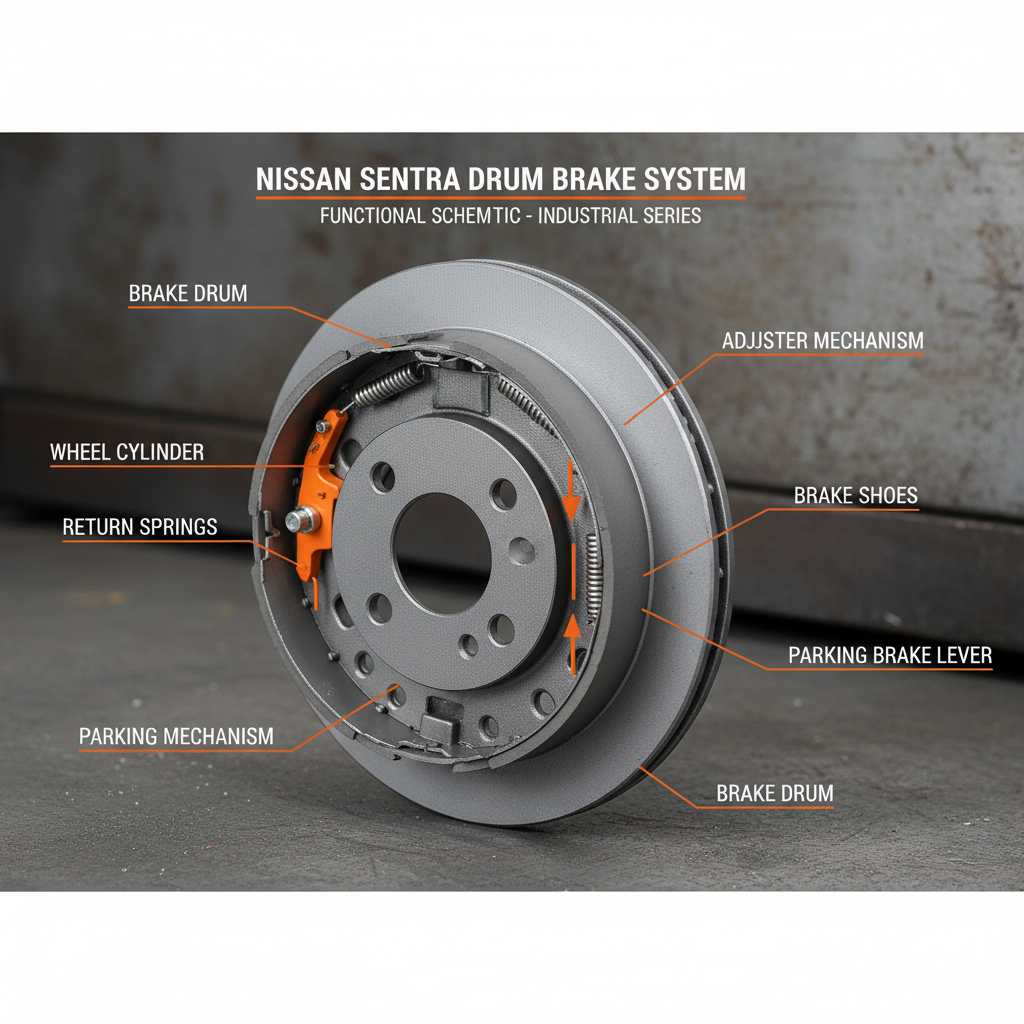
Understanding Drum Brakes on Your Nissan Sentra
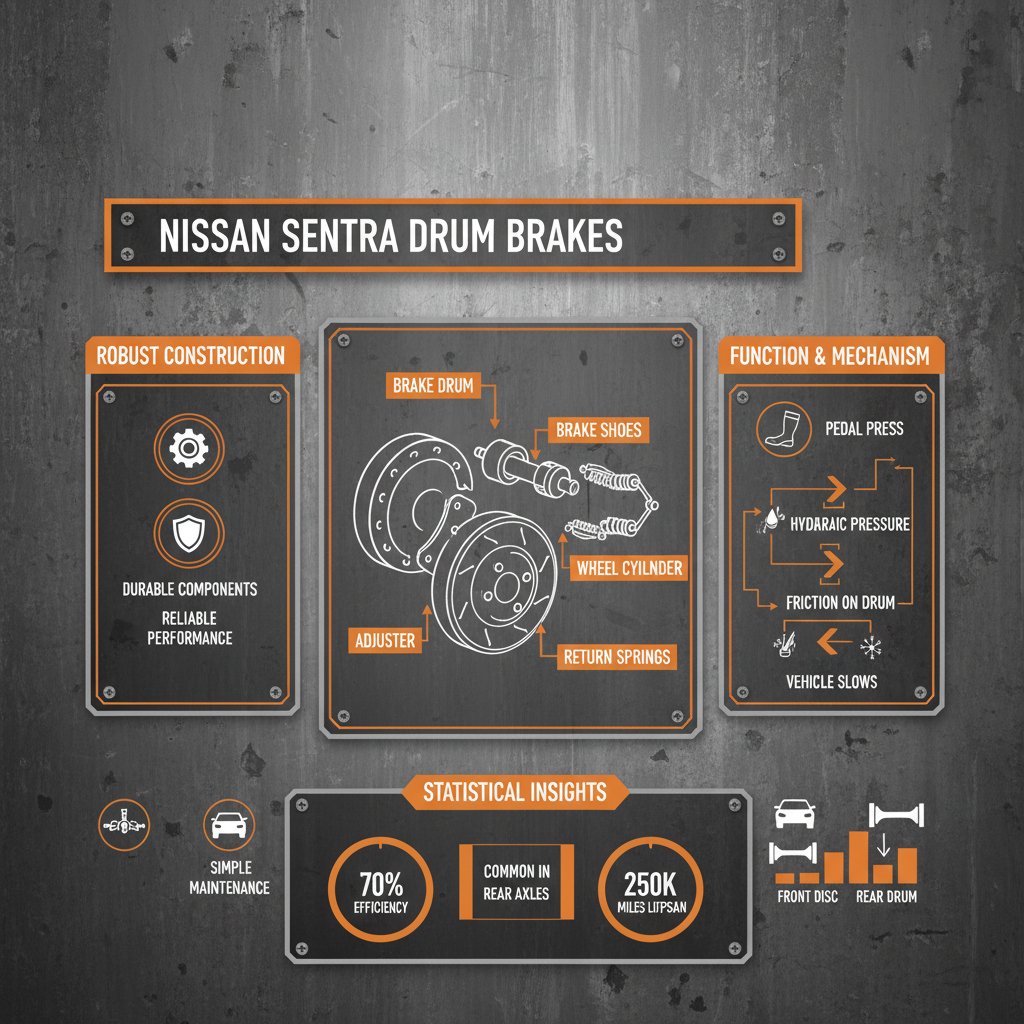
Drum brakes utilize a rotating drum and brake shoes that press outwards against the inner surface of the drum to create friction and slow or stop the vehicle. They are a more affordable and simpler braking system compared to disc brakes, commonly found on the rear wheels of many Nissan Sentra models. While effective, drum brakes require periodic inspection and maintenance to ensure optimal performance. Key components include the brake drum itself, brake shoes, wheel cylinders, springs, and adjusting mechanisms. Understanding how these components work together is essential for diagnosing and addressing any brake-related issues.
Key Highlights: Drum brakes offer a cost-effective and reliable stopping solution for your Nissan Sentra, particularly on the rear axles. Regular inspection and maintenance are key to their longevity and performance.
Common Issues with Drum Brakes Nissan Sentra
Several issues can affect the performance of your drum brakes Nissan Sentra. These include worn brake shoes, leaking wheel cylinders, damaged brake drums, and problems with the self-adjusting mechanism. Worn brake shoes reduce braking efficiency, while leaking wheel cylinders can lead to fluid loss and brake failure. Damaged drums can cause uneven braking and noise. A malfunctioning self-adjuster can cause the brakes to become too tight or too loose. Regularly monitoring your braking performance and addressing any concerns promptly is critical for maintaining safe driving conditions.
Common Brake Problems:
• Squealing or grinding noises
• Reduced braking power
• Pulling to one side during braking
• Spongy or soft brake pedal
Drum Brakes vs. Disc Brakes: What’s the Difference?
While both drum and disc brakes aim to stop your vehicle, they operate differently. Disc brakes use calipers to squeeze brake pads against a rotor, offering superior heat dissipation and more consistent performance, especially under heavy use. Drum brakes, as mentioned earlier, utilize shoes pressing against a drum. This difference impacts stopping power, responsiveness, and maintenance requirements. Disc brakes are generally preferred for front wheels due to their better performance, while drum brakes are often found on rear wheels due to their cost-effectiveness.
Maintaining Your Nissan Sentra Drum Brakes
Regular maintenance can significantly extend the life of your drum brakes. This includes periodic inspections of the brake shoes, drums, wheel cylinders, and springs. Have a qualified mechanic check the brake fluid level and condition as well. Adjusting the brakes to ensure proper clearance between the shoes and drums is crucial. It's also essential to keep the brake drums clean and free from debris. Following the manufacturer's recommended maintenance schedule is vital for optimal braking performance. Finding a reliable source for Nissan Sentra drum brake parts is crucial for quality repairs.
When to Replace Drum Brakes
If you experience significant brake noise, reduced braking power, or a spongy brake pedal, it may be time to replace your drum brakes. Inspect the brake shoes for excessive wear – if they are worn down to the wear indicators, replacement is necessary. Also, check the brake drums for cracks, scoring, or excessive wear. Leaking wheel cylinders require immediate attention, often necessitating replacement. It is important to consult a certified mechanic for a professional evaluation and accurate diagnosis. Utilizing quality replacement parts, like those available at Ningchai Brake Drum, will ensure optimal performance and safety.
Conclusion: Ensuring Safe Braking for Your Nissan Sentra
Maintaining your Nissan Sentra’s drum brakes is vital for safety and reliable performance. Regular inspection, prompt maintenance, and using high-quality replacement parts from a trusted source like Ningchai Brake Drum will help you keep your vehicle stopping confidently. Don't compromise on your safety – prioritize your brake system!
Frequently Asked Questions (FAQs)
How often should I inspect my Nissan Sentra’s drum brakes?
It's recommended to visually inspect your drum brakes at least once a year, or every 6,000 miles. During this inspection, check the brake shoes for wear, the drums for damage, and the wheel cylinders for leaks. Listen for any unusual noises during braking, such as squealing or grinding. If you notice any issues, have them addressed by a qualified mechanic immediately. Preventative maintenance is much more cost-effective than dealing with brake failures.
What are the signs that my drum brakes need replacing?
Several signs indicate that your drum brakes may need replacing. These include a noticeable decrease in braking performance, a soft or spongy brake pedal, loud squealing or grinding noises during braking, and the brake warning light illuminating on your dashboard. If you observe any of these symptoms, it's crucial to have your brake system inspected by a professional mechanic. Ignoring these signs can lead to dangerous driving conditions.
Can I replace drum brakes myself?
Replacing drum brakes can be a DIY project for experienced mechanics with the proper tools and knowledge. However, it's a complex task that requires precision and attention to detail. Incorrect installation can compromise the safety and effectiveness of your braking system. If you are not comfortable working on your brakes, it's best to leave the job to a qualified professional. The potential risks of improper brake repair far outweigh the cost of professional service.
Where can I find high-quality drum brake parts for my Nissan Sentra?
Finding reliable and durable brake parts is essential for optimal performance and safety. Ningchai Brake Drum offers a comprehensive selection of high-quality drum brake components specifically designed for Nissan Sentra models. We pride ourselves on providing durable, reliable parts that meet or exceed OEM specifications, ensuring your braking system operates at its best.
-
Understanding Drum Brakes on Cars A Complete Guide to ReliabilityNewsApr.16,2026
-
Understanding Drum Brakes on Car for Safety and PerformanceNewsApr.09,2026
-
Comprehensive Guide to Understanding Drum Brakes on a Semi TruckNewsApr.07,2026
-
Understanding the Mechanics and Maintenance of Drum Brakes on a CarNewsApr.04,2026
-
Understanding and Fixing Drum Brakes Not Self Adjusting for Vehicle SafetyNewsMar.31,2026
-
Understanding and Fixing Issues with Drum Brakes Not Releasing EffectivelyNewsMar.28,2026
-
Understanding Drum Brakes Meaning and Comprehensive Braking System GuideNewsMar.24,2026