

Understanding and Fixing Drum Brakes Not Self Adjusting for Vehicle Safety
Understanding Drum Brakes Not Self Adjusting
Many vehicles utilize drum brakes, a reliable and cost-effective braking system. However, a common issue arises: drum brakes not self adjusting. This means the brake shoes don’t automatically compensate for wear, leading to reduced braking efficiency and potential safety concerns. This article will explore the reasons why this happens, how to diagnose the problem, and available solutions, including high-quality brake drums and components from Ningchai. Understanding the mechanics and maintenance of drum brakes is vital for vehicle safety.
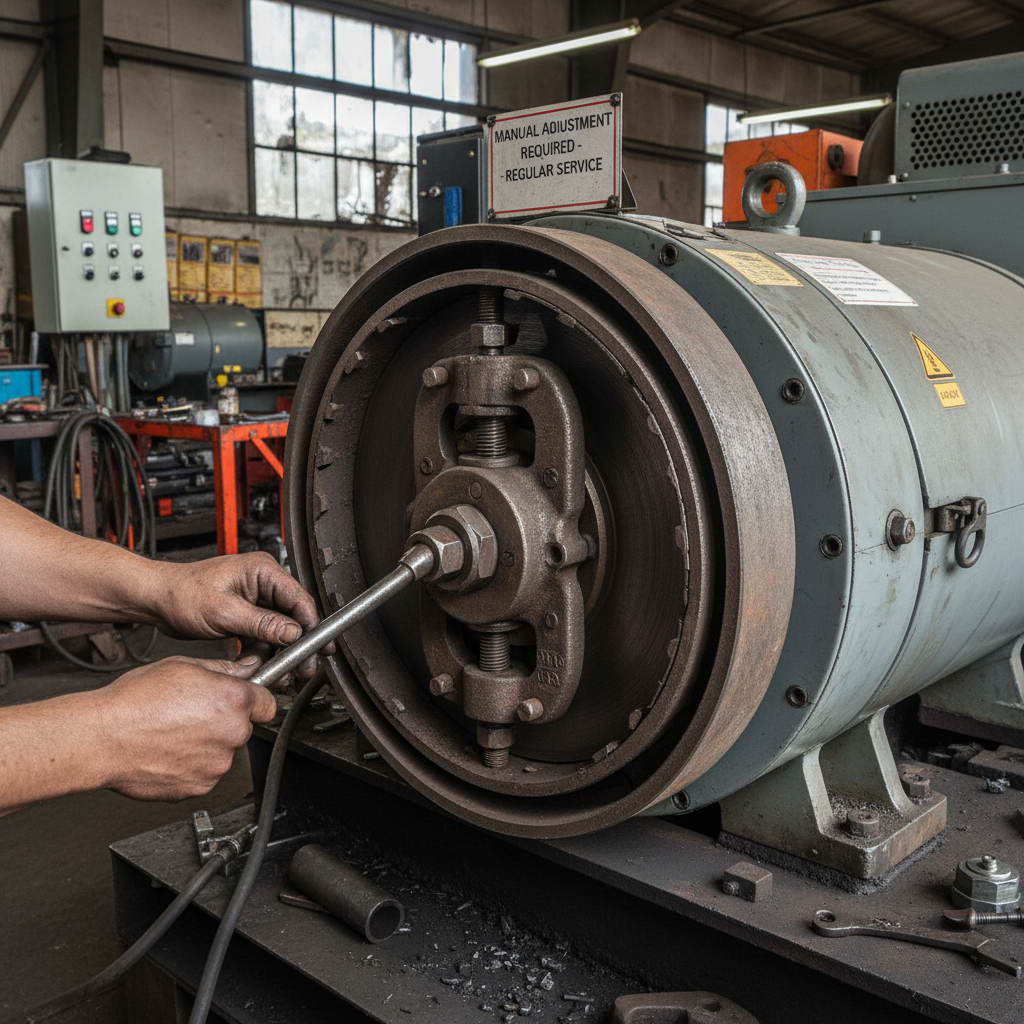
What Causes Drum Brakes to Stop Self-Adjusting?
The self-adjusting mechanism in drum brakes relies on a series of components working in harmony. The most common culprits behind failure include: corrosion within the adjuster mechanism, a broken or damaged adjuster spring, worn or seized adjuster screws, and a clogged or dirty adjuster assembly. Over time, road grime, brake dust, and moisture can accumulate, hindering the movement of these parts. A lack of regular maintenance, especially in areas prone to harsh weather conditions, significantly increases the risk of this issue. Ignoring the problem can lead to decreased braking performance and, ultimately, the need for more extensive repairs.
Key Takeaway: A clean and properly lubricated adjuster mechanism is crucial for optimal self-adjustment. Regular inspections and preventative maintenance are highly recommended.
Diagnosing Drum Brakes Not Self Adjusting
Diagnosing this issue often starts with observing your vehicle’s braking behavior. Common symptoms include a spongy brake pedal, increased stopping distances, unusual noises (such as grinding or squealing), and a parking brake that doesn't hold effectively. A visual inspection of the drum brake components is also essential. Look for signs of corrosion, damage, or excessive wear on the adjuster mechanism. You can attempt to manually adjust the brakes using the adjuster wheel, but if they quickly revert back to their previous position, it indicates an underlying problem with the self-adjuster. A qualified mechanic can perform a thorough inspection and identify the root cause of the issue.
Warning Signs:
• Spongy brake pedal
• Increased stopping distances
• Unusual braking noises
• Parking brake malfunction
Drum Brake Self-Adjustment: Component Comparison
Understanding the components involved in self-adjustment is key. Here's a comparison of key parts and their role. Choosing high-quality replacement parts, like those available at Ningchai Brake Drum, is crucial for long-lasting performance.
Solutions for Drum Brakes Not Self Adjusting
Several solutions can address this problem. Cleaning and lubricating the adjuster mechanism is often the first step. If components are damaged, replacement is necessary. Ningchai Brake Drum offers a wide range of high-quality replacement parts, including adjuster screws, springs, and brake drums, designed for durability and performance. In some cases, the entire drum brake assembly may need to be replaced. For complex repairs, it’s always best to consult a qualified mechanic to ensure proper installation and functionality.
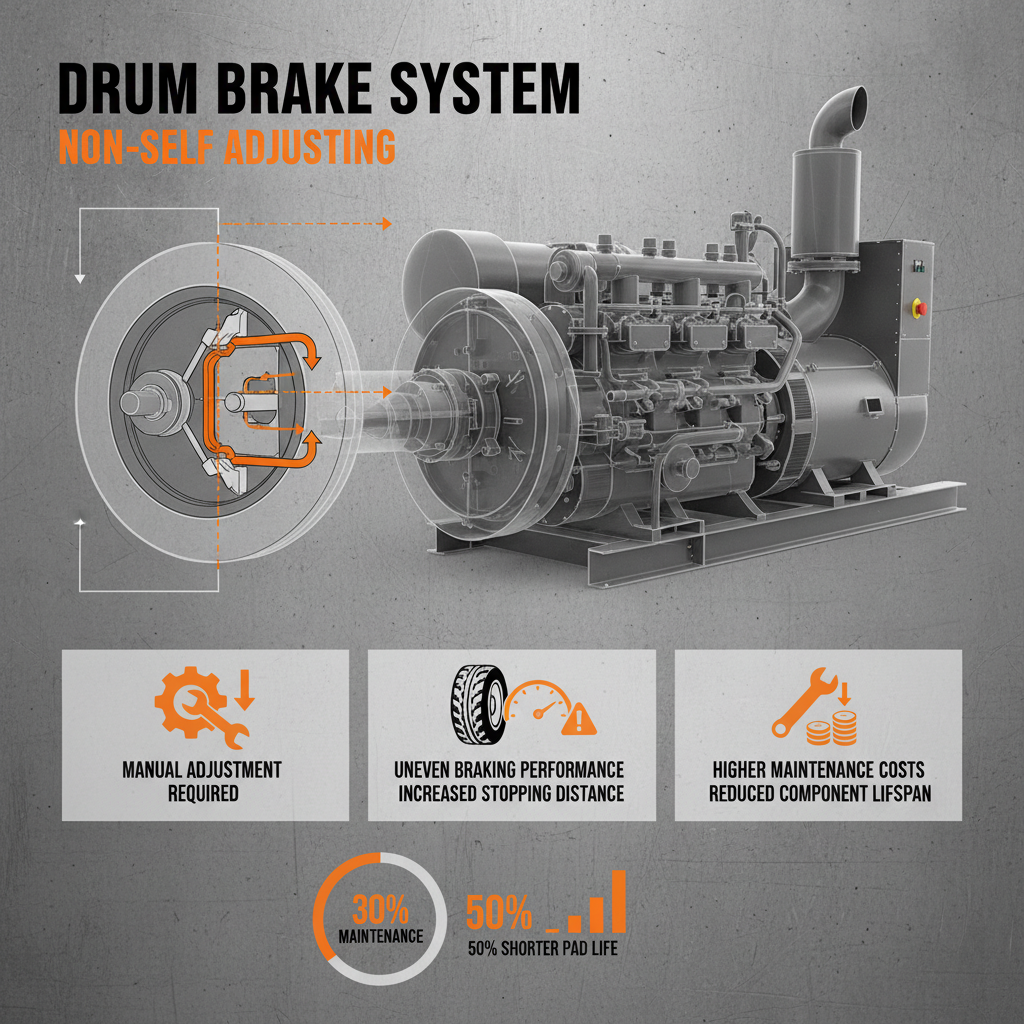
Preventative Maintenance: Keeping Your Drum Brakes in Top Shape
Preventative maintenance is key to avoiding this issue. Regularly inspect the drum brake components for signs of wear or corrosion. Lubricate the adjuster mechanism during routine brake service. Ensure the parking brake is functioning correctly. Replace worn brake shoes and drums as needed. By following these simple steps, you can extend the life of your drum brakes and maintain optimal braking performance. Consider scheduling regular brake inspections with a qualified mechanic to catch potential problems early on.
Conclusion: Maintaining Safe Braking
Addressing drum brakes not self adjusting is crucial for vehicle safety. Understanding the causes, diagnostic procedures, and available solutions, combined with proactive maintenance, will ensure a reliable and efficient braking system. Don’t compromise on safety – invest in quality brake components and regular inspections.
Frequently Asked Questions (FAQs)
How often should I inspect my drum brakes?
It’s recommended to inspect your drum brakes at least twice a year, or every 6,000 to 8,000 miles. During this inspection, check the brake shoes for wear, inspect the brake drum for damage, and verify the functionality of the self-adjusting mechanism. Pay close attention to any unusual noises or changes in braking performance. If you notice any issues, have them addressed by a qualified mechanic promptly. Regularly checking your brakes is a proactive step toward maintaining vehicle safety and preventing more costly repairs down the line.
Can I repair the self-adjuster myself?
While some minor adjustments or cleaning can be performed DIY, repairing a damaged self-adjuster often requires specialized tools and knowledge. If the adjuster screw is seized or the spring is broken, it’s best to have a qualified mechanic handle the repair. Incorrectly installed or adjusted components can lead to unsafe braking conditions. Attempting a repair beyond your skill level could result in further damage or injury. Remember, safety should always be the top priority.
What are the benefits of using high-quality brake drums like those from Ningchai?
High-quality brake drums, such as those offered by Ningchai Brake Drum, are manufactured to precise specifications using durable materials. This results in improved braking performance, longer lifespan, and enhanced safety. These drums are designed to withstand the stresses of daily driving and provide consistent stopping power. Investing in quality brake drums is a smart choice that can save you money in the long run by reducing the need for frequent replacements.
Is it normal for drum brakes to make some noise?
Some level of noise from drum brakes is normal, especially during wet conditions or after prolonged periods of inactivity. However, excessive grinding, squealing, or scraping noises are indicative of a problem. These noises could signify worn brake shoes, a damaged brake drum, or a malfunctioning self-adjuster. It's crucial to investigate any unusual noises promptly to prevent further damage and ensure safe braking performance.
-
Understanding Drum Brakes on Cars A Complete Guide to ReliabilityNewsApr.16,2026
-
Understanding Drum Brakes on Car for Safety and PerformanceNewsApr.09,2026
-
Comprehensive Guide to Understanding Drum Brakes on a Semi TruckNewsApr.07,2026
-
Understanding the Mechanics and Maintenance of Drum Brakes on a CarNewsApr.04,2026
-
Understanding and Fixing Issues with Drum Brakes Not Releasing EffectivelyNewsMar.28,2026
-
Nissan Sentra Drum Brakes A Comprehensive Guide to Maintenance and ReplacementNewsMar.26,2026
-
Understanding Drum Brakes Meaning and Comprehensive Braking System GuideNewsMar.24,2026