

Understanding and Fixing Issues with Drum Brakes Not Releasing Effectively
Understanding and Fixing Drum Brakes Not Releasing
Dealing with drum brakes not releasing can be a frustrating and potentially dangerous situation. This issue can lead to overheating, premature wear, and even vehicle malfunctions. This article will explore the common causes of this problem, provide troubleshooting steps, and highlight the importance of quality brake components, such as those available at Ningchai Brake Drum. Ensuring your braking system functions correctly is vital for safety and optimal performance.
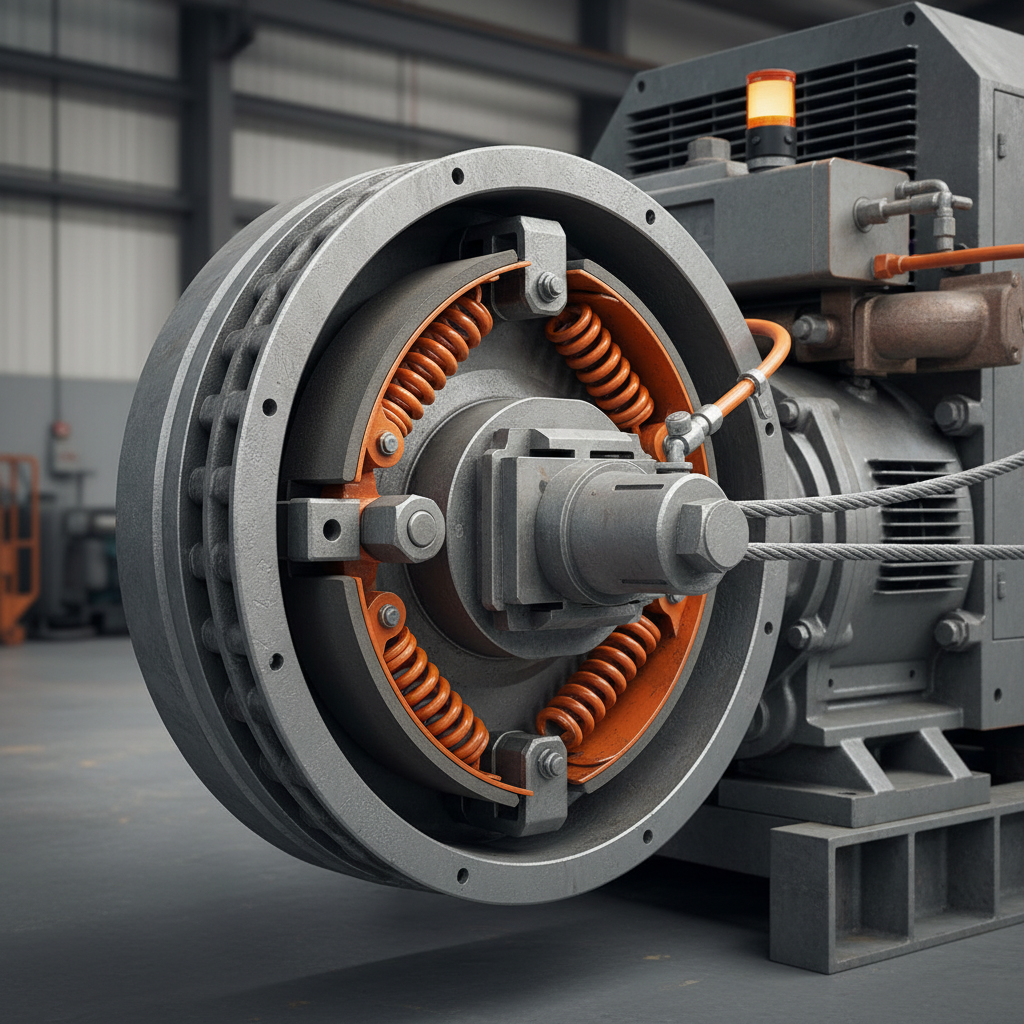
Common Causes of Drum Brakes Failing to Release
Several factors can contribute to drum brakes remaining engaged after the brake pedal is released. One of the most frequent culprits is a sticking brake shoe. This can happen due to rust buildup, contamination from road debris, or worn/damaged brake shoe hardware. Another common issue is a malfunctioning wheel cylinder; if the seals are damaged, the cylinder may not retract properly. A severely stretched or broken brake cable can also prevent complete release. Finally, improper adjustment of the brake shoes – too tight – will inhibit their ability to retract fully.
Key Takeaway: A properly functioning braking system relies on the synchronized operation of many parts. A failure in one component can negatively impact the entire system.
Troubleshooting Steps for Drum Brakes Not Releasing
When you notice your drum brakes are not releasing, a systematic approach is best. First, visually inspect the brake shoes and drums for signs of wear, damage, or contamination. Next, check the brake cable for proper tension and smooth operation. If the cable seems fine, investigate the wheel cylinders for leaks or signs of internal damage. Try manually retracting the brake shoes; if they feel stiff or stuck, cleaning and lubricating the contact points may be necessary. If these steps don’t resolve the problem, a more in-depth inspection of the brake hardware is required.
Common Troubleshooting Steps:
• Inspect brake shoes and drums for wear and damage
• Check brake cable tension and operation
• Inspect wheel cylinders for leaks
• Manually retract brake shoes and lubricate contact points
The Importance of High-Quality Brake Drums
Using inferior or damaged brake drums can exacerbate the problem of brakes not releasing. A warped or out-of-round drum will create uneven contact with the brake shoes, leading to sticking and uneven wear. Investing in high-quality brake drums from a reputable supplier like Ningchai Brake Drum ensures proper fit, durability, and consistent performance. Their drums are manufactured to precise specifications and undergo rigorous quality control to ensure reliability.
Preventative Maintenance and Long-Term Reliability
Preventative maintenance is crucial in avoiding issues like drum brakes not releasing. Regularly inspect your braking system, including the drums, shoes, wheel cylinders, and cables. Clean and lubricate moving parts as needed. Address any signs of wear or damage promptly. Following the manufacturer's recommended maintenance schedule will significantly extend the life of your brakes and ensure reliable performance. Using quality components, like those from Ningchai Brake Drum, contributes significantly to the long-term health of your braking system.
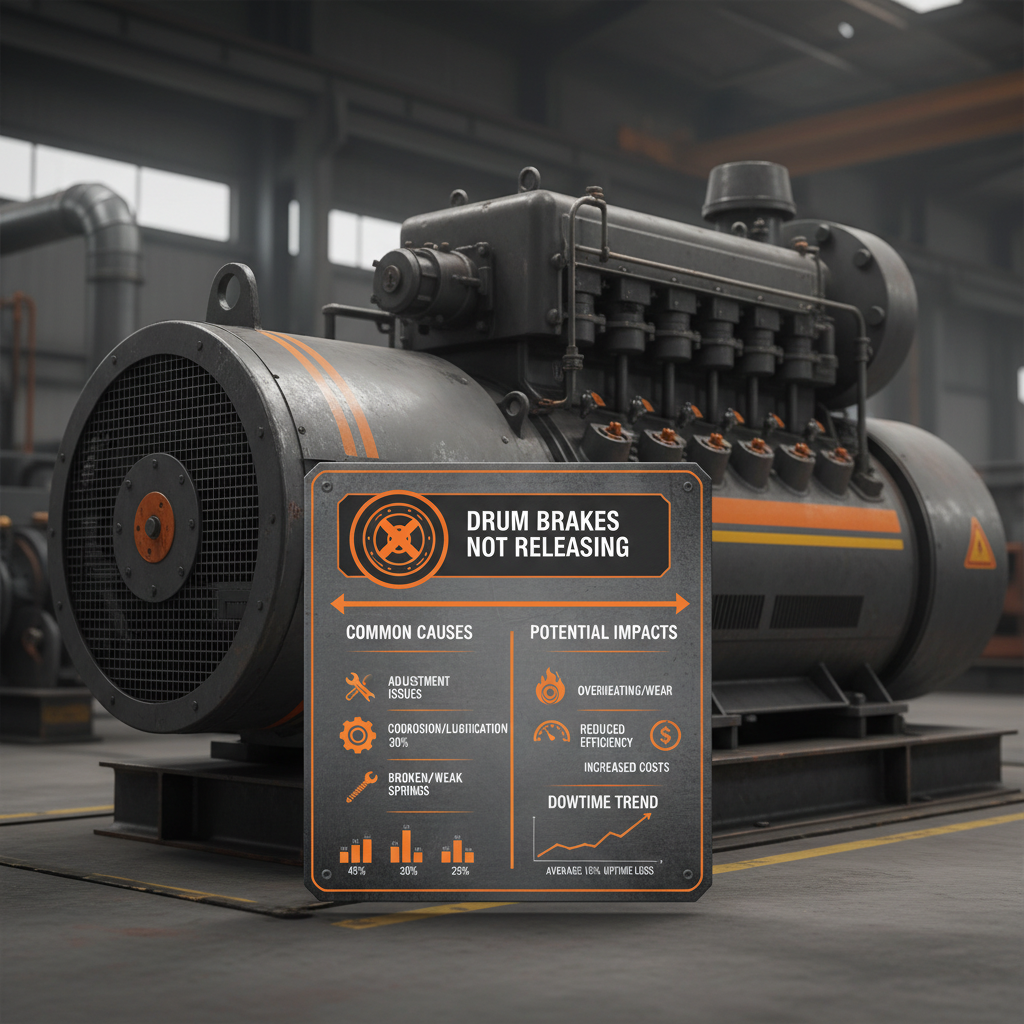
Conclusion: Prioritizing Brake Safety
Addressing the issue of drum brakes not releasing requires a systematic approach, quality components, and regular maintenance. By understanding the common causes, following troubleshooting steps, and investing in reliable parts like those offered by Ningchai Brake Drum, you can ensure the safety and optimal performance of your vehicle's braking system. Don't compromise on safety – prioritize brake maintenance for peace of mind and reliable stopping power.
Frequently Asked Questions (FAQs)
What should I do if my drum brakes are sticking after a repair?
If your drum brakes are sticking after a repair, the first step is to double-check the work that was performed. Ensure the brake shoes are properly adjusted, the wheel cylinder is functioning correctly, and all hardware is correctly installed. If you’re unsure, it's best to take the vehicle to a qualified mechanic for inspection. Often, a minor adjustment or re-lubrication can resolve the issue. Using new, quality components from a trusted supplier like Ningchai Brake Drum can prevent issues arising from faulty parts.
How often should I inspect my drum brakes?
It's recommended to inspect your drum brakes at least twice a year, or with every oil change. During inspection, check the brake shoes for wear, the drums for damage, and the brake fluid level. Also, listen for any unusual noises when braking. Early detection of issues can prevent more significant problems and costly repairs down the road. Visual inspection should be done to find any leaks or corrosion in the system.
Can driving with sticking drum brakes damage my vehicle?
Yes, driving with sticking drum brakes can cause significant damage to your vehicle. The constant drag can overheat the brakes, leading to premature wear of the shoes and drums. It can also warp the drums, damage the wheel cylinders, and even affect the vehicle's fuel efficiency. In severe cases, it can cause a complete brake failure. Addressing sticking brakes promptly is vital to prevent costly repairs and ensure your safety.
What are the warning signs of failing drum brakes?
Several warning signs indicate failing drum brakes. These include a squealing or grinding noise when braking, a soft or spongy brake pedal, pulling to one side during braking, and increased stopping distances. If you notice any of these symptoms, have your brakes inspected by a qualified mechanic immediately. Also, be mindful of any unusual vibrations or pulsations in the brake pedal.
-
Understanding Drum Brakes on Cars A Complete Guide to ReliabilityNewsApr.16,2026
-
Understanding Drum Brakes on Car for Safety and PerformanceNewsApr.09,2026
-
Comprehensive Guide to Understanding Drum Brakes on a Semi TruckNewsApr.07,2026
-
Understanding the Mechanics and Maintenance of Drum Brakes on a CarNewsApr.04,2026
-
Understanding and Fixing Drum Brakes Not Self Adjusting for Vehicle SafetyNewsMar.31,2026
-
Nissan Sentra Drum Brakes A Comprehensive Guide to Maintenance and ReplacementNewsMar.26,2026
-
Understanding Drum Brakes Meaning and Comprehensive Braking System GuideNewsMar.24,2026