

Understanding Drum Brakes Meaning and Comprehensive Braking System Guide
Drum Brakes Meaning: A Comprehensive Guide
Understanding drum brakes is essential for anyone involved in vehicle maintenance or automotive engineering. These brakes, once the standard in many vehicles, offer a reliable and cost-effective stopping solution. This article will delve into the meaning of drum brakes, how they function, their advantages and disadvantages, common issues, and where to find quality replacements at Ningchai Brake Drum. We’ll explore the intricacies of this braking system, making it accessible to both professionals and DIY enthusiasts.
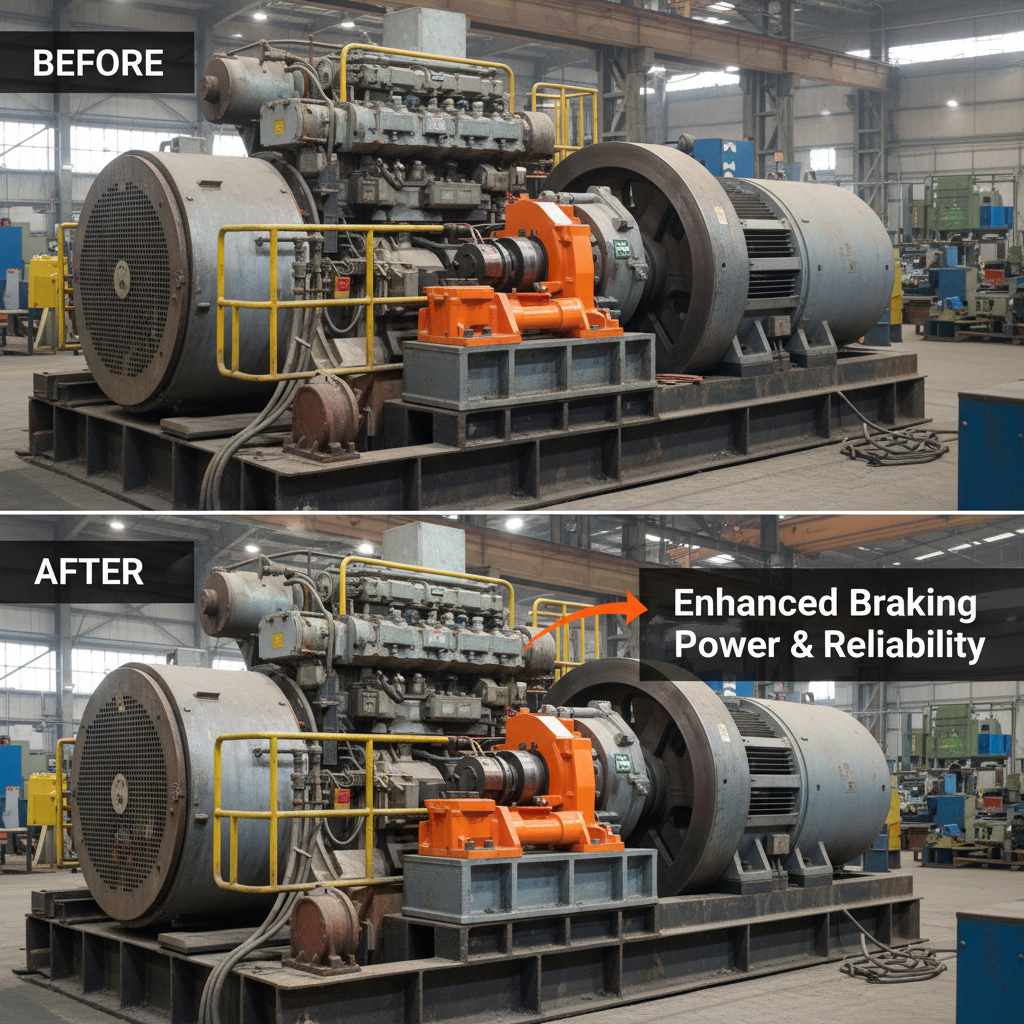
What are Drum Brakes?
Drum brakes are a type of braking system commonly found in older vehicles, and still used in some modern applications, particularly in the rear wheels. They work by using friction to slow down the rotation of the wheels. The core components include a brake drum, brake shoes, a wheel cylinder, and various springs and linkages. When the brake pedal is pressed, the wheel cylinder pushes the brake shoes outward against the inner surface of the rotating drum, creating friction and slowing the vehicle. The entire system relies on mechanical force and hydraulic pressure to operate effectively. Ningchai Brake Drum specializes in high-quality drum brake components ensuring optimal performance and safety.
Key Highlights: Drum brakes are a friction-based braking system utilizing a drum, shoes, and wheel cylinder. They are known for their cost-effectiveness and reliability.
How Do Drum Brakes Work? A Step-by-Step Explanation
The operation of drum brakes involves several key steps. First, when you press the brake pedal, hydraulic pressure is sent to the wheel cylinders. These cylinders contain pistons that push outwards, forcing the brake shoes against the inner surface of the rotating drum. This friction slows the wheel's rotation. The angle of the brake shoes is designed to maximize contact with the drum, enhancing the braking force. As the shoes wear down, the system is designed to automatically adjust to maintain proper contact. Regular maintenance and inspection are critical to ensure this system functions properly. Ningchai Brake Drum provides durable and reliable drums designed for consistent braking performance.
Drum Brake Operation:
• Brake pedal pressed activates hydraulic pressure.
• Wheel cylinders push brake shoes against the drum.
• Friction slows wheel rotation.
• System adjusts for shoe wear.
Drum Brakes vs. Disc Brakes: A Comparative Analysis
While both drum and disc brakes serve the same purpose – slowing or stopping a vehicle – they function differently and have distinct advantages and disadvantages. Disc brakes utilize calipers to squeeze brake pads against a rotor, providing more consistent and powerful braking. Drum brakes, on the other hand, are generally less expensive to manufacture and maintain, but can be prone to overheating and fading under heavy use. Disc brakes also offer better heat dissipation. Choosing between the two often depends on the vehicle's application and budget. Ningchai Brake Drum focuses on optimizing drum brake performance for reliable and safe stopping.
Common Issues with Drum Brakes
Like any mechanical system, drum brakes can experience issues over time. Common problems include worn brake shoes, a damaged or warped drum, a leaking wheel cylinder, and a malfunctioning self-adjuster. Symptoms of these issues can range from squealing noises to reduced braking power. Regular inspection and timely replacement of worn components are crucial for maintaining optimal braking performance and safety. Ningchai Brake Drum offers a comprehensive range of replacement parts to address these issues.
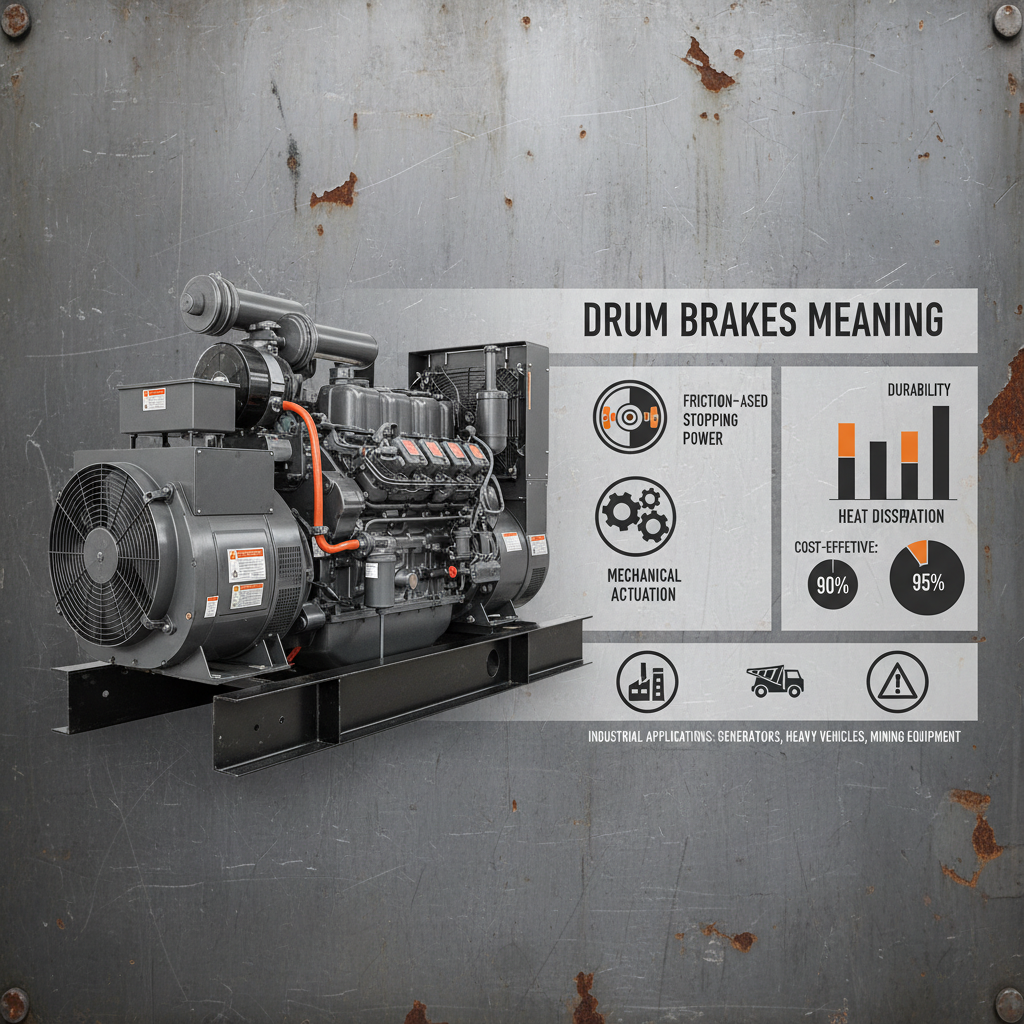
Choosing Quality Drum Brake Components
Selecting high-quality drum brake components is essential for ensuring reliability and safety. Look for components made from durable materials and designed to meet or exceed OEM specifications. Ningchai Brake Drum is a trusted supplier of premium drum brake parts, offering a wide selection of drums, brake shoes, wheel cylinders, and hardware kits. Investing in quality components will not only improve braking performance but also extend the lifespan of the system.
Conclusion: Maintaining Safe Stopping Power
Understanding the mechanics of drum brakes is crucial for vehicle owners and mechanics alike. By choosing quality components from reputable suppliers like Ningchai Brake Drum and performing regular maintenance, you can ensure a safe and reliable braking system. Don’t compromise on safety – invest in the performance and longevity of your vehicle's drum brakes.
Frequently Asked Questions (FAQs)
How often should I inspect my drum brakes?
It’s recommended to inspect your drum brakes at least twice a year, or every 6,000 miles. During inspection, check the brake shoe thickness, the condition of the drum surface, and look for any leaks in the wheel cylinder. Also, assess the operation of the self-adjuster. Early detection of issues can prevent more costly repairs down the road. If you notice any unusual noises, vibrations, or a decrease in braking performance, have your brakes inspected immediately. Ningchai Brake Drum offers a wide range of inspection-quality parts.
What are the signs of worn drum brakes?
Several signs indicate that your drum brakes may be worn. These include squealing or grinding noises when braking, a spongy brake pedal feel, pulling to one side during braking, and increased stopping distances. If you notice any of these symptoms, it's important to have your brakes inspected and potentially replaced. Ignoring these signs can compromise your safety and the safety of others on the road.
Can I replace drum brake components myself?
Replacing drum brake components is a moderately complex task that requires some mechanical knowledge and experience. If you are comfortable working on vehicles and have the necessary tools, you may be able to do it yourself. However, if you are unsure or lack experience, it's best to have a qualified mechanic perform the repair. Improper installation can lead to brake failure and compromise safety. Ningchai Brake Drum offers detailed guides and quality parts to assist with DIY repairs.
How long do drum brakes typically last?
The lifespan of drum brakes varies depending on driving conditions, vehicle usage, and the quality of the components. Typically, drum brake shoes can last between 25,000 and 50,000 miles. However, in severe driving conditions or with aggressive braking, they may need to be replaced sooner. Regular inspections and timely maintenance can help maximize their lifespan.
-
Understanding Drum Brakes on Cars A Complete Guide to ReliabilityNewsApr.16,2026
-
Understanding Drum Brakes on Car for Safety and PerformanceNewsApr.09,2026
-
Comprehensive Guide to Understanding Drum Brakes on a Semi TruckNewsApr.07,2026
-
Understanding the Mechanics and Maintenance of Drum Brakes on a CarNewsApr.04,2026
-
Understanding and Fixing Drum Brakes Not Self Adjusting for Vehicle SafetyNewsMar.31,2026
-
Understanding and Fixing Issues with Drum Brakes Not Releasing EffectivelyNewsMar.28,2026
-
Nissan Sentra Drum Brakes A Comprehensive Guide to Maintenance and ReplacementNewsMar.26,2026